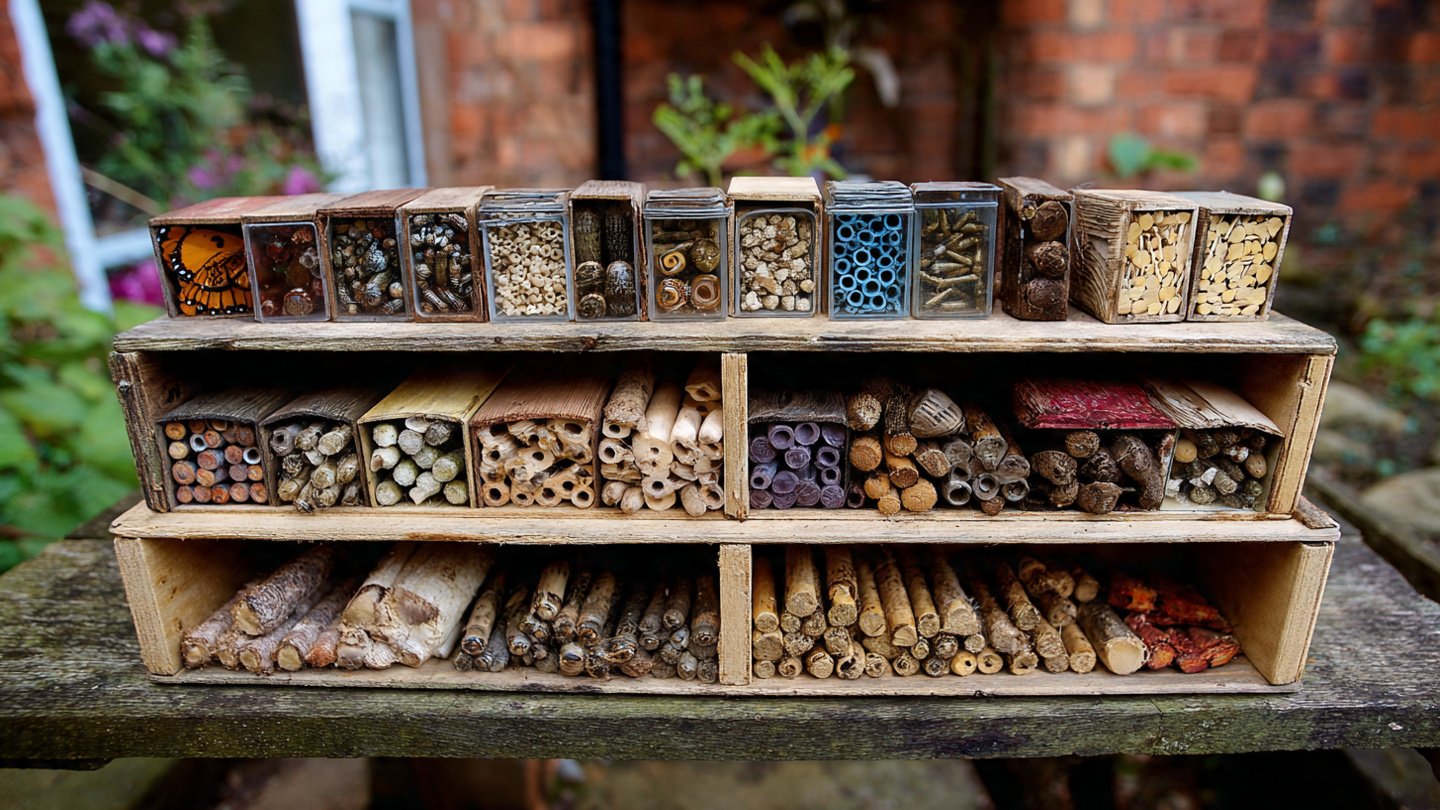
Summer can be both a blessing and a challenge for gardeners. Long, hot days bring vibrant growth and an abundance of flowers, but the rising temperatures also place stress on plants, soil, and local wildlife. One increasingly popular solution to maintaining a healthy garden during the scorching months is the installation of a bug hotel. Often overlooked, these structures provide crucial support to beneficial insects, which in turn help gardens flourish even in extreme heat. But how exactly does a bug hotel contribute to a thriving summer garden? Let’s explore.
What is a Bug Hotel?
A bug hotel, sometimes called an insect hotel, is a man-made habitat designed to attract and house beneficial insects. These insects play a vital role in pollination, pest control, and soil aeration. Bug hotels can vary widely in design, from simple wooden boxes filled with bamboo canes, straw, and pinecones to more elaborate multi-tiered structures incorporating bricks, logs, and natural debris. The primary goal is to offer insects a safe, shaded refuge where they can rest, lay eggs, and escape extreme weather conditions.
Bug hotels are especially valuable during the summer when insects may struggle to find cool, sheltered areas. By providing a dedicated habitat, gardeners can encourage these essential creatures to stay close to their plants, enhancing the overall health and resilience of the garden.
Supporting Pollinators in Hot Weather
One of the most significant benefits of a bug hotel is its ability to support pollinators, such as bees, butterflies, and hoverflies. These creatures are crucial for the reproduction of flowering plants and fruiting vegetables. During hot summer days, pollinators can suffer from dehydration and heat stress, limiting their activity. A bug hotel offers shaded hiding spots where they can rest and conserve energy until the temperature becomes more favorable for foraging.
Bees, in particular, benefit from nesting spaces provided by bug hotels. Solitary bees, such as mason bees, do not live in colonies and rely on small cavities to lay their eggs. By installing a bug hotel, gardeners can create ideal nesting conditions, boosting the local population of these efficient pollinators. A healthy pollinator population translates directly into better flower pollination and higher fruit yields, helping the garden thrive even during intense summer heat.
Natural Pest Control
In addition to supporting pollinators, bug hotels attract predators of common garden pests. Ladybugs, lacewings, and certain types of beetles naturally feed on aphids, caterpillars, and other harmful insects. By offering them a comfortable home, gardeners encourage these beneficial predators to remain in the area, reducing the need for chemical pesticides.
Hot weather can exacerbate pest problems, as many harmful insects breed more rapidly in warm conditions. A bug hotel acts as a natural intervention, supporting predator populations that keep pest numbers in check. This ecological balance ensures plants remain healthy and resilient despite the summer heat, reducing stress on the gardener and the environment alike.
Enhancing Soil Health
While we often focus on the visible benefits of insects, many creatures that inhabit bug hotels contribute indirectly to soil health. Ground beetles and certain types of solitary wasps, for example, help aerate the soil as they dig tunnels. Earthworms, though not typically housed in bug hotels, benefit from the increase in organic matter that some insects bring to the soil surface. Improved soil aeration enhances water retention, which is particularly valuable during hot, dry spells when dehydration and wilting are risks for garden plants.
By attracting a diverse range of insects, a bug hotel creates a mini-ecosystem that maintains soil vitality. Healthier soil supports stronger root systems, enabling plants to withstand heat and drought conditions more effectively.
Creating Microclimates
Summer heat can create microclimates in a garden where some areas become excessively dry and inhospitable. Bug hotels, strategically placed, help mitigate this by offering shaded retreats for insects that, in turn, encourage plant health. For instance, an increase in pollinator activity around a flowerbed ensures better fruit and seed development, while natural predators reduce pest pressure. These combined effects create a more balanced microenvironment, keeping the garden productive even under extreme conditions.
Additionally, bug hotels often encourage the presence of moisture-retaining materials like straw and moss, which can help maintain humidity levels in the immediate vicinity. This small effect can be a boon for delicate plants struggling with heat stress.
Promoting Biodiversity
A thriving garden is not just about flowers and vegetables—it is about creating a self-sustaining ecosystem. Bug hotels attract a wide array of species, promoting biodiversity. A diverse insect population ensures that no single pest species dominates and that pollination and predation are consistent. Biodiversity also contributes to resilience; ecosystems with a variety of species are better able to adapt to changing conditions, such as prolonged heatwaves or droughts.
By fostering biodiversity, a bug hotel transforms a garden from a simple collection of plants into a dynamic habitat. This ecological richness supports not only plants but also birds, amphibians, and other wildlife that rely on insects for food.
Practical Tips for Summer Bug Hotels
To maximize the benefits of a bug hotel during summer, gardeners should consider a few practical points:
- Placement: Position the bug hotel in a shaded, sheltered area to protect insects from direct sun and strong winds. Ideally, place it near flowering plants or vegetable beds to encourage interaction between insects and plants.
- Materials: Use natural, untreated materials like wood, bamboo, straw, pinecones, and bricks. Avoid chemicals that could harm sensitive insects. Provide a mix of hollow tubes, tunnels, and nooks to attract different species.
- Maintenance: Check the hotel periodically for signs of mold or excessive dampness, which can deter insects. Replace or refresh organic materials as needed to ensure the hotel remains inviting.
- Water Source: While a bug hotel provides shelter, insects also need water. Consider adding a shallow dish or small pond nearby to support hydration, especially during hot summer days.
- Seasonal Adjustments: Some insects may move out during extreme heat. Leave the bug hotel intact even if occupancy appears low, as insects often return in the evening or after heatwaves subside.
Educational and Aesthetic Value
Beyond its ecological benefits, a bug hotel can also serve as an educational tool and a visual feature. Children and adults alike can observe the behaviors of beneficial insects, learning firsthand about the interconnections between plants, pests, and pollinators. A well-designed bug hotel can be an attractive addition to a garden, blending functionality with beauty.
Gardeners can even customize hotels with different colors and patterns, turning them into conversation pieces. The act of building and maintaining a bug hotel also fosters a deeper connection with nature, encouraging more sustainable gardening practices.
Long-Term Impact on Garden Health
While the immediate benefits of a bug hotel are clear, the long-term impacts are even more significant. By establishing a consistent habitat for beneficial insects, gardeners create a self-reinforcing cycle of pollination, pest control, and soil health. Over successive summers, gardens with bug hotels tend to exhibit stronger plant growth, higher yields, and greater resilience to heat stress.
Moreover, the presence of a bug hotel can reduce reliance on chemical interventions, leading to a more organic and environmentally friendly garden. This contributes to overall sustainability, ensuring that both plants and wildlife can thrive side by side.
Conclusion
A bug hotel is far more than a decorative accessory—it is a vital tool for ensuring garden health, particularly during the demanding summer months. By providing shelter, promoting pollination, supporting natural pest control, and enhancing soil and ecosystem diversity, bug hotels help gardens flourish even under extreme heat. They transform outdoor spaces into balanced, thriving ecosystems that benefit both plants and wildlife. For gardeners looking to boost productivity, protect their plants, and nurture local biodiversity, investing in a bug hotel is a smart and sustainable choice.
In essence, a small structure offering simple comforts to insects can yield significant rewards for an entire garden. Summer heat may challenge gardeners, but with a bug hotel in place, the garden can continue to grow, bloom, and thrive—vibrant, resilient, and full of life.
Word count: 1,206