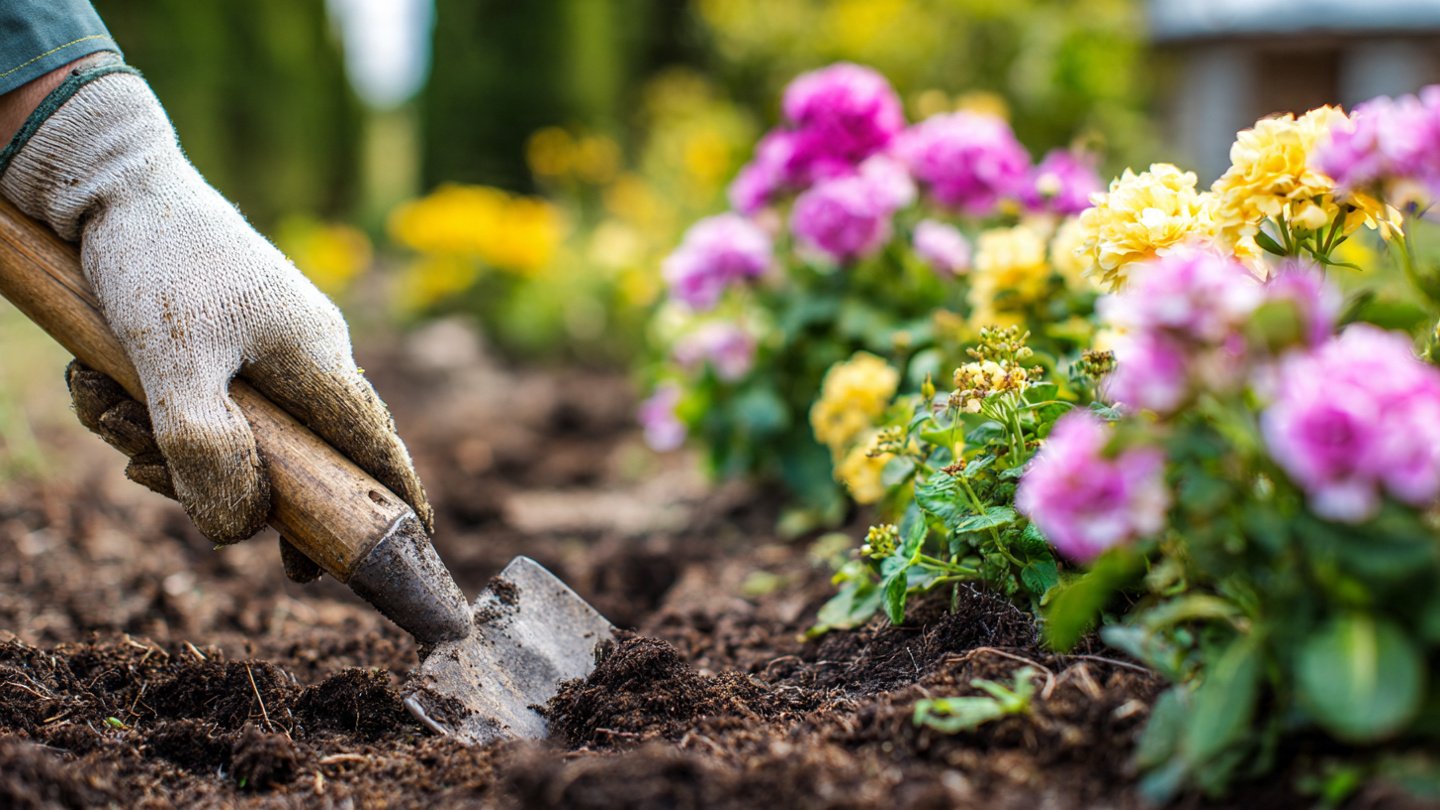
Gardening is a rewarding hobby, but it can also be labor-intensive, particularly when it comes to preparing and maintaining soil. Traditionally, gardeners have relied on digging and turning over soil to prepare garden beds, remove weeds, and incorporate organic matter. However, over the past few decades, many professional gardeners have shifted toward the no-dig gardening method. This approach may seem counterintuitive to those used to traditional practices, yet it has proven to be both efficient and highly effective. Understanding why professional gardeners prefer the no-dig method can help home gardeners improve soil health, reduce labor, and grow stronger, more productive plants.
What is the No-Dig Method?
The no-dig method, sometimes called no-till gardening, is a technique in which soil is left largely undisturbed. Instead of turning or digging the soil, gardeners build their beds by layering organic materials on top of the existing soil. This method mimics natural ecosystems, where fallen leaves, plant debris, and other organic matter decompose on the soil surface without human intervention.
In a no-dig garden:
- Beds are built with a layering approach, often including compost, mulch, straw, and other organic matter.
- Soil organisms such as worms, microbes, and fungi naturally aerate and enrich the soil.
- Minimal mechanical disturbance preserves the soil structure and ecosystem.
Professional gardeners often use this method for vegetable plots, flower beds, and even large-scale landscape projects because it saves time, improves soil fertility, and promotes sustainable gardening practices.
1. Preserves Soil Structure
One of the primary reasons professionals adopt the no-dig method is that it protects the natural soil structure. When soil is dug or turned:
- The layers of soil are disrupted.
- Soil aggregates are broken, reducing aeration and water-holding capacity.
- Beneficial microorganisms and fungi networks are disturbed.
By leaving soil undisturbed, professional gardeners allow soil particles to maintain their natural arrangement, supporting a thriving ecosystem beneath the surface. This healthy structure promotes better drainage, root penetration, and nutrient availability, all of which lead to stronger plant growth.
2. Encourages Healthy Microbial Life
Soil is more than dirt—it is a living ecosystem containing millions of microorganisms, including bacteria, fungi, and earthworms. These organisms play a critical role in breaking down organic matter and making nutrients available to plants.
Digging or turning soil repeatedly:
- Exposes microbes to air, which can dry them out or kill sensitive species.
- Disrupts fungal networks that help plants absorb nutrients.
No-dig gardening allows these microorganisms to thrive undisturbed, creating a balanced and productive soil ecosystem. Professional gardeners understand that healthy soil microorganisms translate to healthier plants with better resistance to pests and disease.
3. Reduces Weed Growth
Weeds are one of the biggest challenges in any garden. Traditional digging can bring weed seeds from deeper layers to the surface, where they germinate and compete with crops.
The no-dig method helps manage weeds by:
- Smothering existing weeds with a layer of organic mulch or compost.
- Preventing dormant weed seeds buried in the soil from being exposed.
- Encouraging dense planting, which naturally shades out potential weeds.
By reducing weed growth without chemical herbicides, professional gardeners save both time and energy, allowing them to focus on planting, harvesting, and maintaining garden productivity.
4. Conserves Moisture
Water management is another reason professionals favor the no-dig approach. Turning soil can leave the surface exposed, leading to:
- Rapid evaporation of moisture.
- Increased need for frequent watering.
In contrast, the no-dig method involves covering the soil with mulch or compost, which:
- Reduces evaporation.
- Keeps the soil cooler during hot weather.
- Maintains consistent moisture levels that are ideal for root growth.
This water-conserving feature is particularly beneficial in dry climates or during periods of drought, making the no-dig method both efficient and environmentally friendly.
5. Enhances Soil Fertility
No-dig gardening naturally builds nutrient-rich soil over time. Instead of digging in fertilizers or compost, professional gardeners layer organic matter on the surface, allowing it to break down gradually. This slow decomposition:
- Releases nutrients steadily to plants.
- Reduces the risk of nutrient leaching.
- Encourages strong microbial activity that helps plants access essential nutrients.
Over several seasons, a no-dig bed becomes deeply fertile, often requiring less chemical fertilizer, which benefits both the gardener and the environment.
6. Saves Time and Labor
Digging and turning soil is physically demanding and time-consuming, particularly in large gardens or professional landscapes. The no-dig method dramatically reduces labor because:
- Beds require less preparation initially.
- No regular digging is needed each season.
- Mulch and composting layers maintain soil health without continual intervention.
Professional gardeners often manage multiple plots or large areas, so saving time and reducing physical strain is a practical advantage that allows them to focus on planting, harvesting, and garden aesthetics.
7. Promotes Better Plant Health
Plants grown in undisturbed, nutrient-rich soil tend to be healthier and more resilient. Benefits of the no-dig method for plant health include:
- Stronger root systems, as roots can penetrate undisturbed soil more easily.
- Improved disease resistance, because beneficial soil microbes compete with pathogens.
- Enhanced fruit and vegetable production, due to steady nutrient availability and reduced stress on plants.
Professional gardeners understand that the foundation of a successful garden is healthy soil, and no-dig gardening is a practical method for achieving it.
8. Supports Environmental Sustainability
Sustainability is a core consideration for modern gardening. The no-dig method aligns with environmentally friendly practices by:
- Reducing carbon emissions, since less mechanical digging is needed.
- Preventing soil erosion, as the soil structure remains intact.
- Reducing fertilizer runoff, since nutrients are retained in the soil rather than washing away.
By using the no-dig method, professional gardeners contribute to long-term soil health, biodiversity, and sustainable food production.
9. Mimics Natural Ecosystems
One of the most compelling reasons professionals prefer no-dig gardening is that it mimics natural processes. In forests and natural landscapes:
- Leaves, branches, and other organic matter decompose on the soil surface.
- Roots grow through nutrient-rich layers without disturbance.
- Soil organisms maintain ecosystem balance naturally.
By applying the same principles in a cultivated garden, gardeners create a self-sustaining, resilient ecosystem, reducing the need for intensive interventions.
10. Suitable for Various Garden Types
No-dig gardening is versatile and can be applied to:
- Vegetable gardens: Encourages healthy roots and consistent harvests.
- Flower beds: Improves soil fertility and flower performance.
- Container gardening: Works well in raised beds and large planters.
- Urban gardens: Ideal for areas with compacted or poor-quality soil.
Professional gardeners often face diverse conditions and soil types. The no-dig method provides a flexible solution that works across different environments while maintaining soil health and productivity.
Implementing a No-Dig Garden
To start a no-dig garden, follow these steps:
- Choose your site: Select a sunny location with good drainage.
- Clear the surface: Remove large weeds or debris, but leave soil undisturbed.
- Layer organic matter: Start with cardboard or newspaper to suppress weeds, then add compost, well-rotted manure, straw, or mulch.
- Plant directly into the layers: Seeds or seedlings can be sown directly into the top layer.
- Maintain layers: Add fresh organic matter regularly to keep soil healthy and nutrient-rich.
Over time, the soil beneath will become loose, fertile, and full of beneficial organisms—all without digging.
Conclusion
Professional gardeners prefer the no-dig method because it protects soil structure, encourages microbial life, conserves moisture, reduces weeds, and saves labor. Beyond practical benefits, it promotes healthier plants, higher yields, and sustainable gardening practices. By mimicking natural ecosystems and allowing the soil to work for itself, gardeners create resilient and productive gardens with less effort and long-term benefits.
For both home gardeners and professionals, adopting the no-dig method is not just a trend—it’s a scientifically supported approach that improves soil health, boosts productivity, and supports sustainable gardening for years to come.
Switching from traditional digging to a no-dig system may require a shift in mindset, but the benefits—stronger plants, less labor, and healthier soil—make it a preferred choice for professionals worldwide.