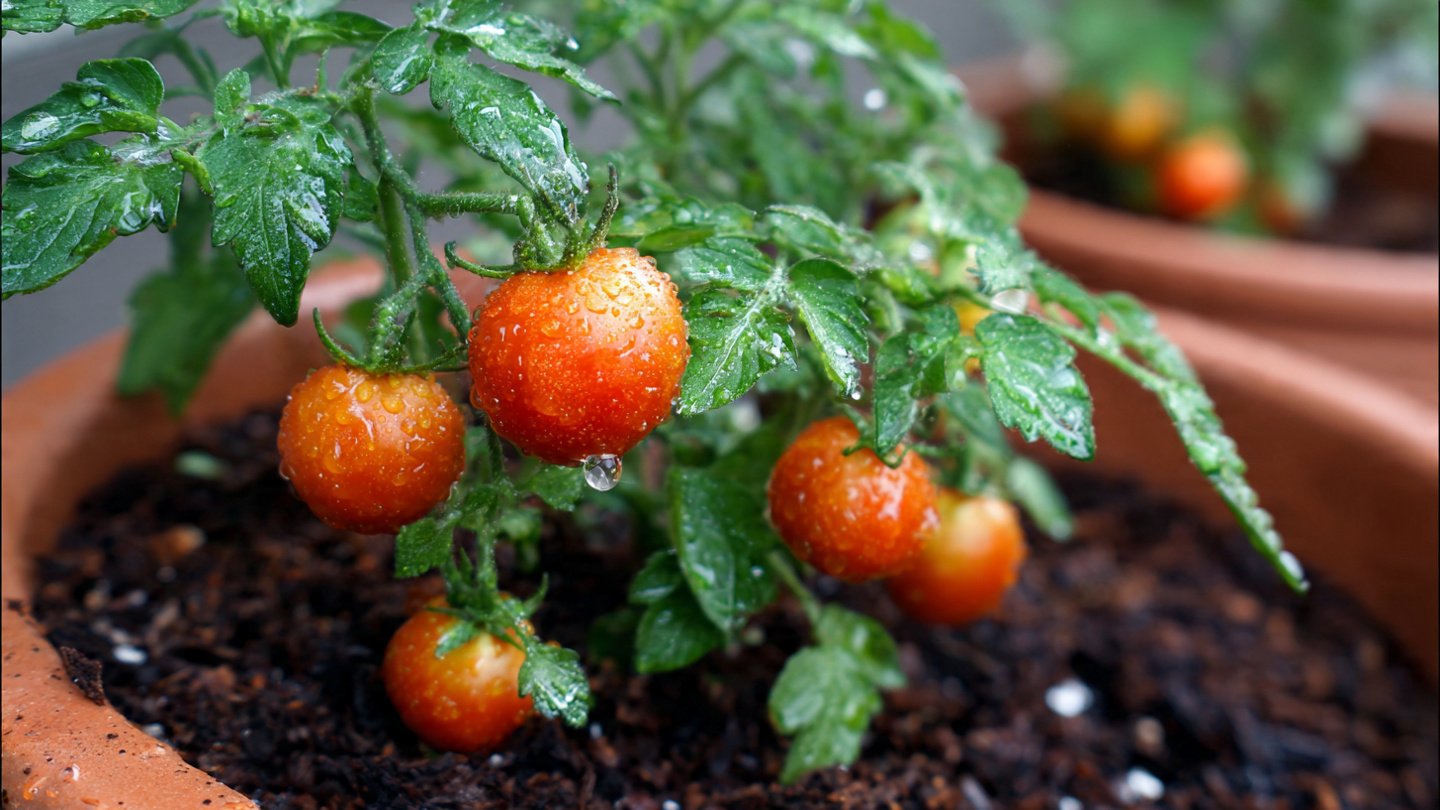
Grow Tomatoes Without a Garden Using This Simple Method – High Yield Container Tomato Guide
Growing tomatoes does not require a large backyard or traditional garden bed. With the right approach, you can produce an impressive harvest using containers on a balcony, patio, rooftop, or even a sunny indoor space. Container tomato growing is simple, flexible, and surprisingly productive when done correctly. This guide explains a proven method to grow healthy, high yielding tomatoes without a garden, from choosing the right container to harvesting flavorful fruit.
The first step to success is selecting the right tomato variety. Not all tomatoes perform equally well in containers. Determinate and dwarf varieties are ideal because they grow to a manageable size and focus their energy on producing fruit rather than endless vines. Cherry tomatoes, patio tomatoes, and compact bush types are excellent choices. Indeterminate tomatoes can also be grown in containers, but they require larger pots and strong support. Choosing the right variety sets the foundation for high yields in limited space.
Next, focus on the container itself. Size matters more than appearance. A single tomato plant needs a container that holds at least five gallons of soil, though ten gallons or more is even better for vigorous growth. Larger containers hold moisture longer, reduce stress on roots, and support bigger harvests. Ensure the container has drainage holes at the bottom, as tomatoes dislike soggy roots. Plastic, fabric, ceramic, and even repurposed buckets can work as long as drainage is adequate.
Soil quality is one of the most important factors in container tomato success. Never use garden soil in containers, as it compacts easily and drains poorly. Instead, use a high quality potting mix designed for vegetables. An ideal mix is light, well draining, and rich in organic matter. You can improve store bought potting mix by adding compost, coconut coir, or perlite. Healthy soil supports strong root development, which directly leads to better fruit production.
Planting tomatoes correctly in containers gives them a strong start. Tomatoes are unique because they can grow roots along their buried stems. When transplanting seedlings, remove the lower leaves and plant the tomato deeper than it was in its original pot. This encourages a larger root system, making the plant more stable and efficient at absorbing water and nutrients. After planting, gently firm the soil and water thoroughly.
Sunlight is essential for high yielding tomatoes. Tomato plants need at least six to eight hours of direct sunlight each day, with more light producing better results. Place containers in the sunniest location available, such as a south facing balcony or patio. If growing indoors, position plants near a bright window and consider using grow lights to supplement natural light. Insufficient light leads to weak plants and poor fruiting.
Watering container tomatoes correctly is both simple and critical. Containers dry out faster than garden beds, especially in warm weather. Tomatoes prefer consistently moist soil, not wet and not dry. Water deeply whenever the top inch of soil feels dry. In hot conditions, this may mean watering daily. Avoid shallow watering, as it encourages weak roots. Consistent watering also prevents common problems like blossom end rot and fruit cracking.
Feeding tomatoes regularly is key to achieving high yields in containers. Because nutrients wash out of pots faster, container tomatoes need more frequent fertilization than in ground plants. Use a balanced fertilizer during early growth, then switch to a fertilizer higher in phosphorus and potassium once flowering begins. Organic options like compost tea, fish emulsion, or slow release granular fertilizers work well. Feed lightly but consistently for best results.
Supporting tomato plants is another essential step. Even compact varieties benefit from some form of support to keep stems upright and fruit off the soil. Use cages, stakes, or trellises suited to container use. Install supports early to avoid damaging roots later. Proper support improves air circulation, reduces disease risk, and makes harvesting easier.
Pruning helps container tomatoes focus their energy on fruit production. For indeterminate varieties, remove small side shoots that develop between the main stem and branches. This improves airflow and directs nutrients to developing fruit. Determinate tomatoes require minimal pruning, usually just removing damaged or yellowing leaves. Avoid excessive pruning, as leaves are needed for photosynthesis.
Managing pests and diseases in containers is often easier than in traditional gardens. Regularly inspect leaves and stems for signs of insects or disease. Remove affected leaves promptly. Keeping plants well watered, properly spaced, and well fed helps them resist problems naturally. If needed, use gentle treatments like insecticidal soap or neem oil. Good airflow and cleanliness go a long way in preventing issues.
Pollination is usually not a concern outdoors, but container tomatoes grown indoors or in sheltered spaces may need assistance. Gently shaking the plants or tapping the flowers helps release pollen and encourages fruit set. This simple action can significantly improve yields when natural pollinators are limited.
As tomatoes begin to ripen, harvesting regularly encourages continued production. Pick fruits when they are fully colored and slightly firm. Leaving overripe tomatoes on the plant can slow down new fruit development. Regular harvesting keeps plants productive and ensures the best flavor.
At the end of the season, container tomato plants can be refreshed or replaced easily. Spent soil can be rejuvenated with compost and reused for other plants. Containers can be cleaned and stored for the next growing cycle. One of the greatest advantages of container gardening is flexibility and control, allowing you to adjust and improve your method each season.
Another advantage of container tomato growing is the ability to control temperature and growing conditions more precisely. Containers can be moved to protect plants from excessive heat, heavy rain, or unexpected cold. During early spring or late fall, moving containers closer to walls or indoors at night can extend the growing season significantly. This mobility allows gardeners to respond quickly to changing weather and reduce plant stress, resulting in healthier growth and better yields.
Container gardening also makes it easier to experiment with different techniques and varieties. You can grow multiple tomato types side by side, test different soil mixes, or compare fertilizers without committing an entire garden bed. This flexibility helps gardeners learn quickly and refine their approach. Over time, small adjustments in watering, feeding, and placement can lead to noticeable improvements in plant health and fruit production.
Finally, growing tomatoes in containers brings fresh food closer to daily life. Having plants nearby encourages regular care, observation, and harvesting. Tomatoes picked at peak ripeness offer superior flavor and nutrition compared to store bought options. With minimal space and a simple method, container tomatoes provide a reliable, satisfying way to grow food at home. This approach empowers anyone to enjoy gardening success and abundant harvests without the need for traditional garden space.