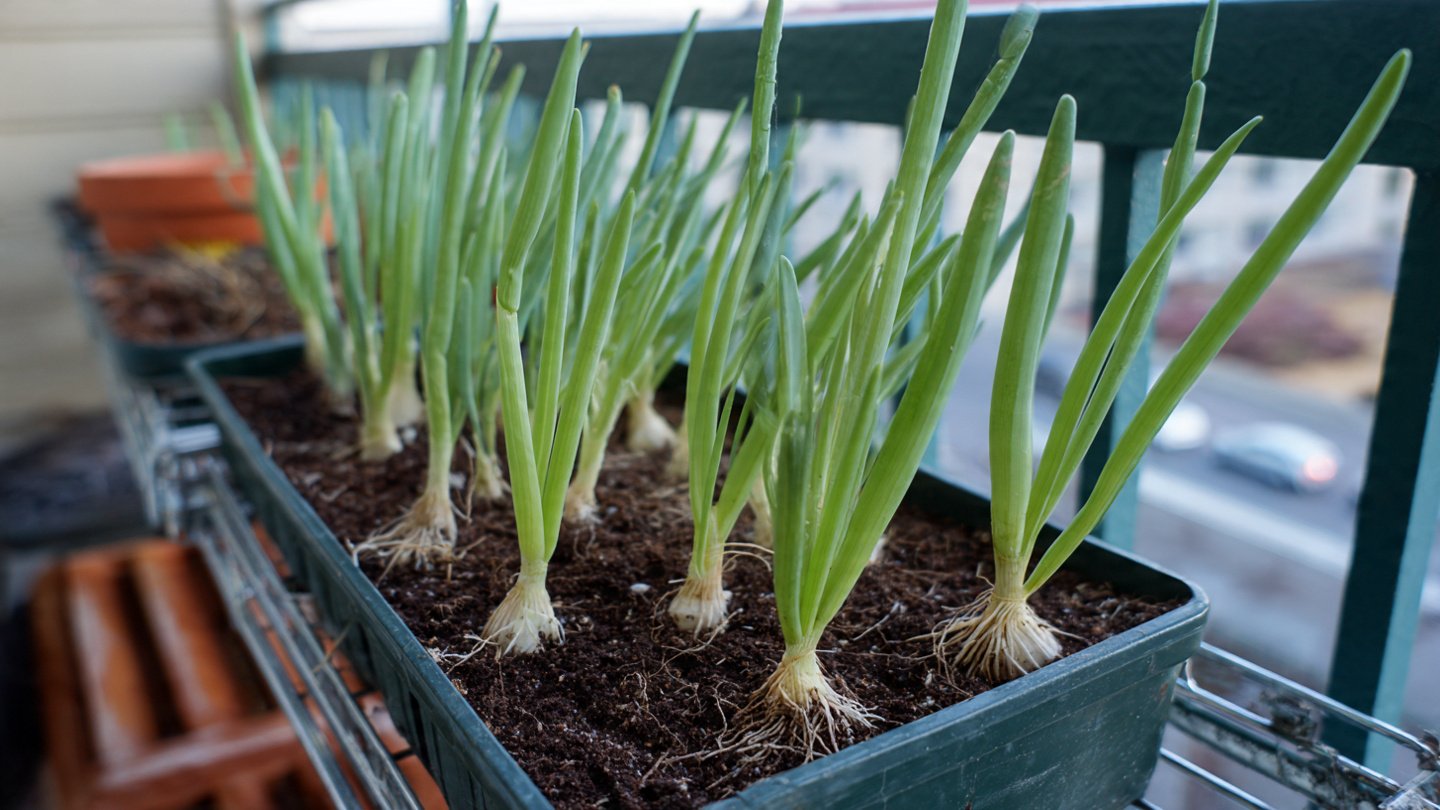
Green onions, also known as scallions or spring onions, are a versatile ingredient that adds flavor, freshness, and nutrition to countless dishes. They are easy to grow, fast to harvest, and require minimal space, making them ideal for urban gardeners or anyone with limited outdoor areas. Even if you live in an apartment or have just a small balcony, you can enjoy a continuous supply of green onions year-round using simple container gardening techniques. Understanding how to set up the right conditions and care for your plants ensures unlimited harvests with minimal effort.
One of the major advantages of growing green onions in containers is their adaptability. Unlike larger vegetables that require deep soil or extensive root systems, green onions thrive in shallow containers with loose, well-draining soil. This makes it possible to grow them on balconies, patios, or even window sills. Container gardening also allows for better control of soil quality, watering, and sunlight, which are essential for year-round growth.
The first step in growing green onions on your balcony is selecting the right container. Almost any container will work as long as it has adequate drainage. Shallow pots, rectangular planters, or even recycled containers like wooden boxes or old buckets can serve as excellent growing spaces. The container should be at least six to eight inches deep to accommodate the root system. Proper drainage holes at the bottom are essential to prevent waterlogging, which can cause root rot and reduce productivity.
Choosing the right soil is equally important. Green onions prefer loose, fertile soil that retains moisture without becoming soggy. A mix of potting soil and organic compost works well, providing essential nutrients for growth. Adding a small amount of sand or perlite improves drainage and prevents compacted soil. Avoid heavy garden soil for containers, as it can retain too much water and hinder root development.
Planting green onions can be done in several ways. The fastest method is to use the roots of store-bought green onions. Simply place the white root ends in a container filled with soil, burying the roots while keeping the green tops above the surface. This method allows for immediate growth and rapid regrowth after harvesting. Seeds are another option, though they take longer to mature. If using seeds, sow them thinly in rows about half an inch deep and cover lightly with soil. Water gently to avoid displacing the seeds.
Sunlight is a key factor for healthy green onions. They require at least four to six hours of direct sunlight per day for optimal growth. On balconies that receive limited sunlight, placing containers near bright, reflective surfaces or using supplemental grow lights can help maintain year-round productivity. Rotating containers occasionally ensures all plants receive equal light exposure, preventing uneven growth.
Watering green onions consistently is essential for continuous growth. The soil should remain moist but not waterlogged. Overwatering can lead to root rot, while under-watering slows growth and causes the leaves to wilt. Using a watering can or a gentle hose attachment prevents soil disturbance and helps maintain proper moisture levels. In hot weather, container soil dries quickly, so daily monitoring is recommended.
Fertilization plays a role in producing vigorous plants and unlimited harvests. Green onions are fast-growing and benefit from regular feeding. A balanced liquid fertilizer applied every two to three weeks provides essential nutrients for healthy leaves and strong roots. Organic options such as fish emulsion, compost tea, or diluted liquid seaweed extract are also effective and environmentally friendly. Fertilizing encourages rapid regrowth after each harvest, ensuring a continuous supply.
Harvesting green onions is simple and can be done multiple times throughout the year. For mature onions, cut the green tops about an inch above the soil level, leaving the white roots intact. These roots will continue to produce new shoots, allowing for repeated harvests. Regular harvesting also stimulates growth and prevents plants from becoming overcrowded or bolting. For smaller, tender onions, harvesting can be done every two to three weeks, depending on growth rate.
To maintain continuous production, stagger planting in multiple containers. By planting new onions every few weeks, you create a system where some onions are ready for harvest while others are still growing. This method ensures that fresh green onions are always available, eliminating gaps in supply. Staggered planting also reduces the risk of pest or disease outbreaks affecting the entire crop at once.
Pest management in balcony containers is generally easier than in traditional gardens, but vigilance is still necessary. Common pests include aphids, onion thrips, and fungal infections. Inspect plants regularly and remove any damaged or infested leaves. Using natural remedies like neem oil, insecticidal soap, or introducing beneficial insects such as ladybugs can control pests without harmful chemicals. Proper spacing and airflow between containers also prevent fungal problems by reducing humidity around the leaves.
Pruning and thinning are important for maintaining strong, healthy plants. If green onions become overcrowded, thin them by removing weaker plants to give the remaining onions space to grow. Trimming yellowing or damaged leaves helps redirect energy to new growth. Maintaining proper plant density improves air circulation, reduces disease risk, and ensures uniform growth.
During colder months, container green onions can still thrive with a few adjustments. Moving containers to sheltered areas or closer to walls that retain heat can protect plants from frost. Adding a layer of mulch or covering with lightweight fabric helps insulate roots and maintain soil temperature. For balconies with limited sunlight in winter, grow lights can supplement natural light and sustain year-round growth.
The benefits of growing green onions on your balcony extend beyond fresh harvests. Container gardening improves air quality, adds greenery to living spaces, and encourages sustainable practices by reducing reliance on store-bought produce. Green onions are inexpensive to grow, easy to maintain, and provide nutritional value, making them an excellent choice for urban gardeners.
With proper care, green onions can produce continuously for months without replanting. Regular attention to watering, fertilization, sunlight, and harvesting ensures that plants remain productive. Using containers allows for flexibility in placement and mobility, enabling gardeners to optimize growing conditions as seasons change. The simplicity of container green onion cultivation makes it accessible to both beginners and experienced gardeners alike.
In conclusion, growing green onions on a balcony using the container method is a practical, rewarding, and sustainable way to enjoy fresh produce year-round. By selecting the right container, soil, and planting method, providing consistent sunlight and water, and maintaining proper care through fertilization, harvesting, and pest control, gardeners can enjoy unlimited harvests with minimal effort. Staggered planting, regular pruning, and seasonal adjustments ensure continuous production, making green onions a reliable and convenient addition to any home garden. With patience and attention to detail, a simple balcony can yield a steady supply of fresh, flavorful green onions, enhancing meals and transforming everyday cooking into a more satisfying and self-sufficient experience.
This method proves that even small urban spaces can support productive gardening. By following these straightforward steps, anyone can turn a balcony into a green oasis, ensuring that fresh green onions are always within reach, no matter the season. With consistency, care, and a little planning, the container method provides an easy, sustainable, and enjoyable way to grow green onions and enjoy unlimited harvests all year long.