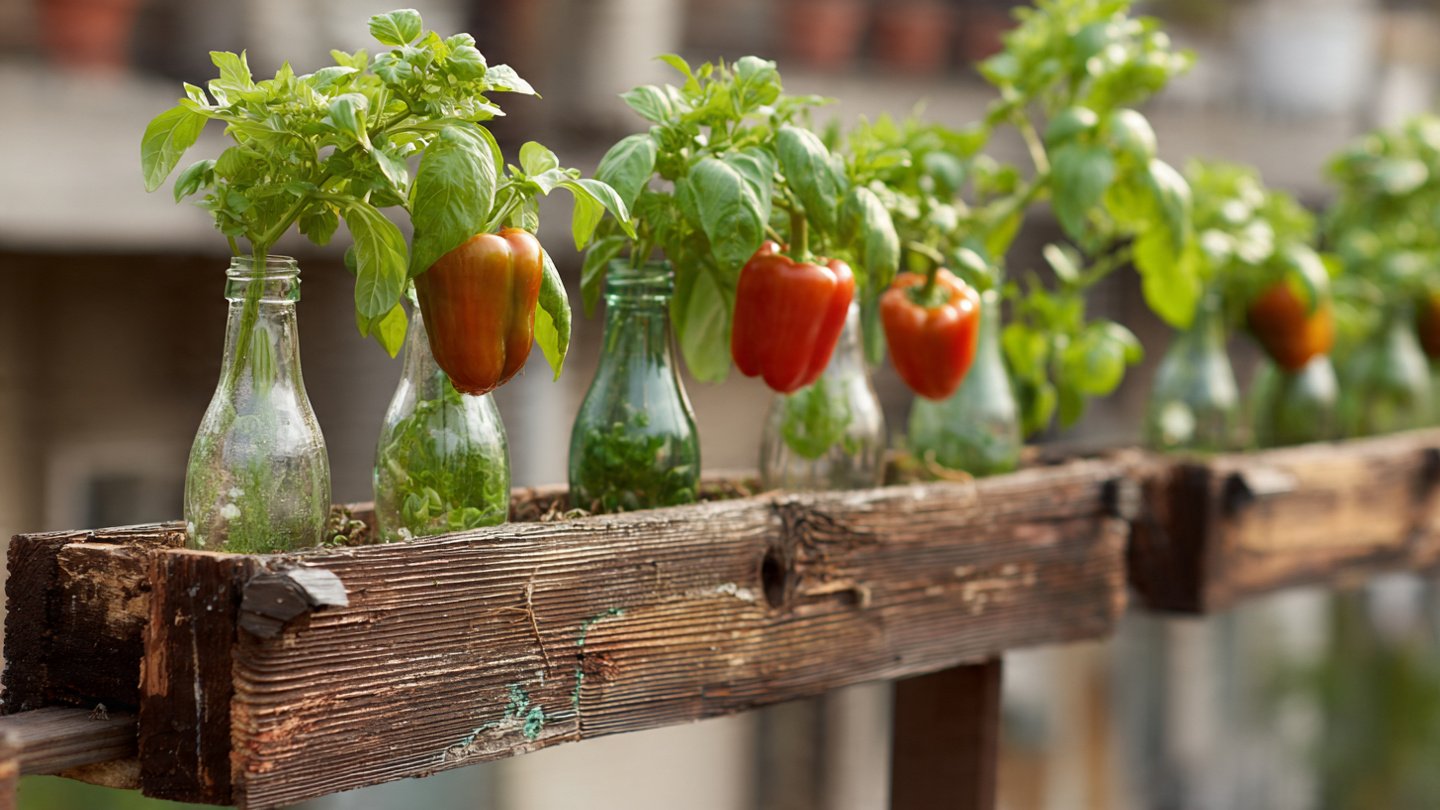
Urban gardening is transforming how city dwellers grow their own food, turning rooftops, balconies, and small terraces into productive green spaces. Among the many vegetables suited for container gardening, sweet bell peppers stand out. They are colorful, nutritious, and highly rewarding when harvested fresh. Even in limited spaces, bell peppers can thrive in containers, and an innovative approach involves using bottles as planters. In this guide, we’ll explore how to set up a DIY rooftop garden, grow sweet bell peppers in bottles, and achieve bountiful harvests.
Why Grow Bell Peppers on a Rooftop?
Rooftop gardens offer unique benefits for growing vegetables like bell peppers:
- Full Sun Exposure: Bell peppers require 6–8 hours of sunlight daily. Rooftops are typically open and sunlit, providing ideal conditions.
- Temperature Control: Elevated surfaces warm up quickly, promoting faster growth compared to shaded urban areas.
- Space Utilization: Bottles and vertical planting techniques maximize limited rooftop space.
- Urban Food Security: Growing food at home reduces reliance on store-bought produce and ensures freshness.
- Aesthetic Appeal: A rooftop garden creates a lush, colorful environment while serving a functional purpose.
Bell peppers are well-suited for rooftop container gardening, and with proper care, you can enjoy a consistent supply of sweet, juicy peppers.
Choosing the Right Bottles
Using bottles as planters is an innovative and cost-effective method for urban gardening. Here’s what to consider:
- Material: Plastic bottles are lightweight, inexpensive, and easy to cut. Glass bottles can be used but are heavier and harder to modify.
- Size: Bell peppers have substantial root systems. Use bottles with at least 2–3 liters of volume to allow proper root growth.
- Drainage: Drill holes in the bottom of each bottle for drainage. This prevents waterlogging and root rot.
- Orientation: You can plant vertically with the top open or create a hanging system with the bottle’s side cut to form a pocket planter.
Choosing the right bottles ensures your peppers have enough space and healthy conditions for optimal growth.
Preparing the Soil Mix
Bell peppers thrive in nutrient-rich, well-draining soil. Since bottles provide limited space, the soil mix must be high quality:
- Ingredients: Combine equal parts potting soil, compost, and coconut coir or perlite. This mixture retains moisture while allowing air circulation around the roots.
- Fertilization: Add a slow-release balanced fertilizer at planting time to provide essential nutrients. A phosphorus-rich component encourages root development and flowering.
- pH Level: Bell peppers prefer slightly acidic to neutral soil, with a pH of 6.0–6.8. Test soil and adjust if necessary.
A well-prepared soil mix supports strong root development, healthy foliage, and abundant fruit production in a confined container.
Planting Bell Peppers in Bottles
Follow these steps to plant bell peppers in bottles:
- Seedlings or Seeds: Start with healthy seedlings from a nursery or germinate seeds indoors. Seedlings reduce the risk of poor germination and allow faster fruiting.
- Bottle Preparation: Cut the bottle as needed, drill drainage holes, and fill it with the prepared soil mix.
- Transplanting: Plant seedlings at the same depth they were growing in the nursery tray. Gently firm the soil around the roots.
- Spacing: If placing bottles close together, ensure each plant has enough sunlight and airflow. Ideally, bottles should be at least 12 inches apart.
- Support: Use small stakes or sticks inserted into the soil to support pepper plants as they grow and bear fruit.
Proper planting ensures healthy establishment and reduces transplant shock.
Watering and Mulching
Container-grown peppers need consistent watering because soil in bottles dries out faster than garden beds:
- Watering Schedule: Keep soil evenly moist, but not soggy. Water once daily in hot weather, or adjust based on rainfall and sunlight.
- Deep Watering: Ensure water reaches the root zone to encourage strong root systems.
- Mulching: Apply a thin layer of organic mulch, such as straw or shredded leaves, on top of the soil. Mulch reduces evaporation, regulates soil temperature, and suppresses weeds.
Consistent watering and mulch management are key to avoiding stress that could reduce flower and fruit production.
Fertilization for Maximum Yield
Bell peppers are heavy feeders and require regular nutrient supplementation:
- Vegetative Stage: Use a nitrogen-rich fertilizer to promote strong leaves and stems.
- Flowering Stage: Switch to a balanced fertilizer or one slightly higher in phosphorus to support flower and fruit development.
- Fruit Development: Apply potassium-rich fertilizer to enhance fruit size, sweetness, and overall yield.
- Liquid Fertilizers: Consider foliar sprays or diluted liquid fertilizers every 2–3 weeks for an extra nutrient boost.
Proper fertilization throughout growth stages ensures plants focus energy on producing more flowers and larger, healthier fruits.
Pollination Techniques
Bell peppers require successful pollination for fruit formation. On a rooftop garden, pollination may be limited:
- Encourage Insects: Plant flowers nearby to attract pollinators like bees. Herbs like basil and marigolds can help.
- Hand Pollination: Gently shake flowers or use a small brush or electric toothbrush to transfer pollen between flowers.
- Wind Assistance: If your rooftop is breezy, it may help naturally move pollen between flowers.
Effective pollination increases fruit set, ensuring more peppers per plant.
Pest and Disease Management
Even rooftop gardens are not immune to pests and diseases. Common issues include:
- Aphids and Whiteflies: Inspect plants regularly and remove pests by hand or use natural sprays like neem oil.
- Fungal Infections: Avoid overhead watering to prevent leaf diseases. Maintain good spacing between bottles for airflow.
- Root Health: Drainage holes prevent waterlogged soil that could lead to root rot.
Early monitoring and intervention protect your crop and maintain high yields.
Harvesting Bell Peppers
Knowing when and how to harvest is critical for continuous production:
- Maturity: Peppers can be harvested green or left to ripen to red, yellow, or orange, depending on the variety. Fully ripe peppers are sweeter.
- Method: Use scissors or garden shears to cut peppers from the stem, leaving a small portion attached to avoid damaging the plant.
- Continuous Harvesting: Regular harvesting encourages the plant to produce more flowers and fruits.
With proper care, container-grown peppers can produce multiple harvests throughout the growing season.
Creative Rooftop Garden Layouts
Maximize your rooftop space with innovative layouts:
- Vertical Systems: Stack bottles on shelves or hang them along railings. This saves floor space and allows sunlight to reach all plants.
- Clustered Arrangements: Group bottles in blocks to improve airflow and pollination efficiency.
- Mixed Plantings: Combine peppers with herbs or companion plants to optimize space and attract beneficial insects.
- Decorative Display: Painted bottles or decorative hangers can turn your garden into an aesthetically pleasing rooftop oasis.
Creative arrangements increase productivity and enhance the visual appeal of your rooftop garden.
Advantages of Bottle Gardening for Bell Peppers
Using bottles as planters has distinct benefits:
- Recycling and Sustainability: Repurposing plastic bottles reduces waste and supports eco-friendly gardening.
- Portability: Bottles can be moved to follow sunlight or protect plants from extreme weather.
- Controlled Growth Conditions: You can manage soil, water, and nutrients more precisely than in-ground gardening.
- Accessibility: Ideal for urban gardeners with limited space or no backyard access.
Bottle gardening makes urban agriculture practical, efficient, and environmentally responsible.
Final Thoughts
Growing sweet bell peppers in bottles on a rooftop is a practical, sustainable, and rewarding approach for urban gardeners. By carefully selecting bottles, preparing nutrient-rich soil, managing water and fertilizer, ensuring proper pollination, and monitoring plant health, you can achieve bountiful harvests despite limited space. Strategic planting and continuous care allow your peppers to thrive, producing colorful, flavorful fruits that rival those grown in traditional garden beds.
Whether you’re a beginner or an experienced urban gardener, DIY rooftop bottle gardening offers an opportunity to grow fresh, nutritious bell peppers while making the most of your available space. With patience, attention, and creativity, you can transform your rooftop into a productive, vibrant garden, enjoying a continuous supply of sweet peppers throughout the season. This method proves that even in urban environments, space constraints are no barrier to growing delicious, homegrown produce.