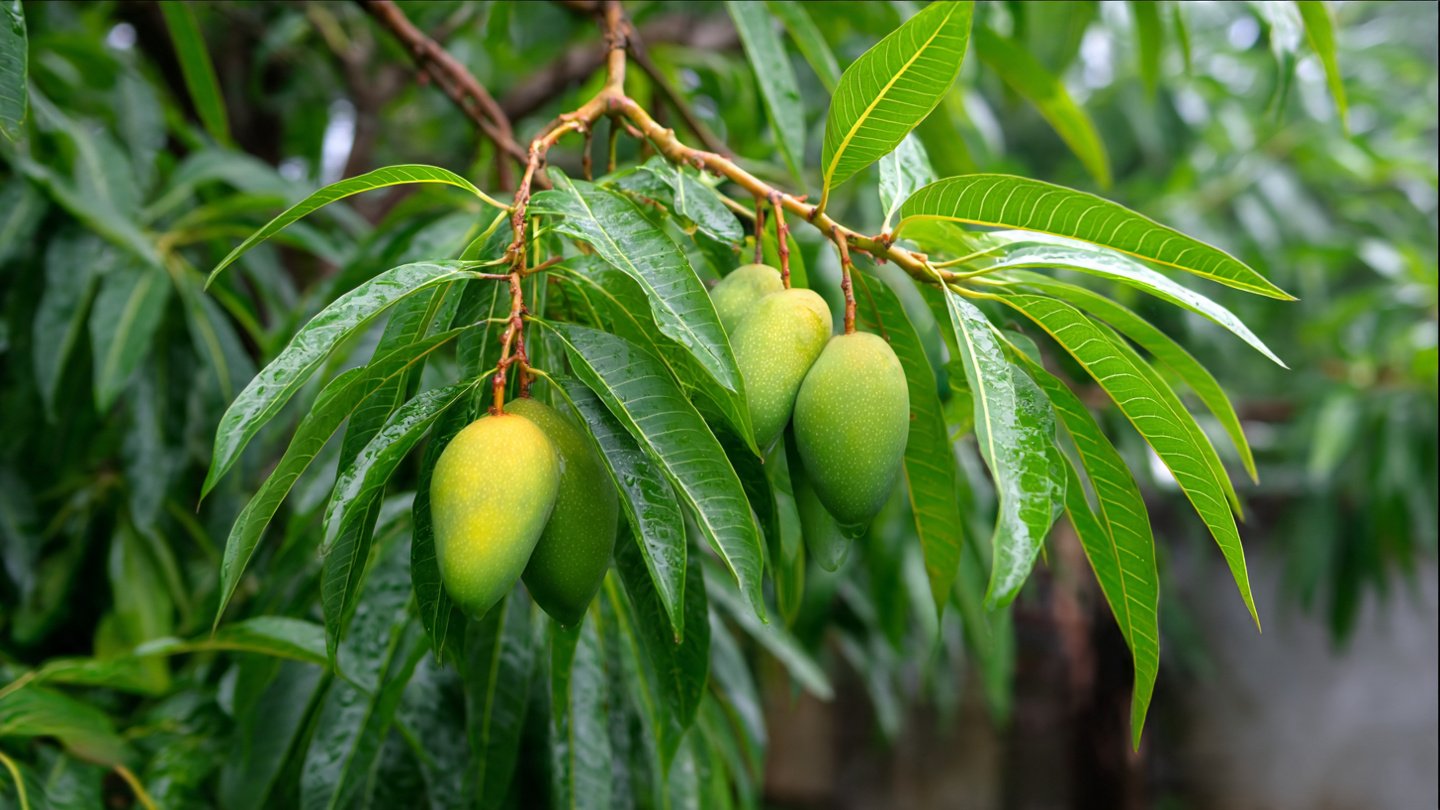
Mango (Mangifera indica) is one of the most beloved tropical fruits in the world, prized for its sweet, juicy flavor and nutritional value. Growing mango trees from seeds is rewarding but slow, and trees may take several years to bear fruit. Multiple grafting, particularly 4-in-1 mango grafting, is a revolutionary horticultural technique that allows growers to cultivate high-yield trees with multiple varieties on a single rootstock. This technique not only accelerates fruit production but also maximizes diversity and efficiency in limited garden space. This complete guide explains mango multiple grafting, step by step, for beginners and advanced gardeners aiming for higher yields and variety.
Understanding Multiple Grafting
Multiple grafting involves joining several scions from different mango varieties onto a single rootstock. Each scion grows as a branch, producing fruit of its own variety while sharing the same root system. A 4-in-1 mango tree, for example, can bear four different mango types simultaneously, providing diversity in flavor, ripening time, and size.
The benefits of multiple grafting include:
- Early fruiting: Grafted scions are mature, reducing the time to first harvest.
- Space efficiency: Multiple varieties grow on a single tree, ideal for small gardens.
- High yield: One tree can produce more fruit overall.
- Varietal diversity: Enjoy multiple mango types in a single season.
- Disease resistance: A strong rootstock supports vigorous growth and resilience.
This technique has revolutionized mango cultivation, making it popular among home gardeners and commercial growers alike.
Choosing the Right Rootstock
The foundation of a successful multiple-grafted mango tree is a healthy rootstock. Ideal rootstocks are:
- Seedlings from disease-free mango seeds: Typically 6–12 months old.
- Vigorous and straight: Strong stems and robust roots are essential.
- Well-adapted to local climate and soil: Ensures resilience and optimal growth.
Select a rootstock that is at least 1 to 1.5 feet tall with a well-developed root system. Avoid rootstocks with disease symptoms, cracks, or weak stems, as these can compromise graft success and tree longevity.
Selecting Scions for Multiple Grafting
Scions are the branches or buds used to graft onto the rootstock. For 4-in-1 grafting, select scions from four different mango varieties, each with desirable traits such as sweetness, size, disease resistance, or early fruiting.
Criteria for scion selection:
- Healthy and disease-free: No signs of mold, rot, or pests.
- Mature wood: 6–12 months old is ideal for successful grafting.
- Similar thickness: Scions should be similar in diameter to the rootstock for easier graft union.
Using high-quality scions ensures each variety grows successfully, producing a strong, fruitful tree.
Preparing the Rootstock and Scions
Preparation is critical for multiple grafting success:
- Rootstock preparation:
- Select a strong, straight rootstock.
- Trim the top to create a flat, clean surface for scion insertion.
- Remove any damaged or diseased tissue.
- Scion preparation:
- Cut scions into 4–6 inch segments with two to three healthy buds.
- Make a clean, diagonal cut at the base to match the rootstock.
- Remove leaves except for the top one or two to reduce water loss.
- Sterilize tools: Use alcohol or flame-sterilized knives to prevent contamination.
Proper preparation increases the chances of grafting success and healthy tree growth.
Grafting Techniques for 4-in-1 Mango Trees
Several grafting techniques can be used for multiple mango grafts, with the most common being cleft grafting and side veneer grafting.
1. Cleft Grafting
Cleft grafting is suitable for thicker rootstocks.
- Make a vertical split at the top of the rootstock.
- Shape each scion into a wedge and insert it into the split, ensuring cambium layers touch.
- Secure with grafting tape or parafilm and seal with grafting wax.
Advantages:
- Strong union, ideal for multiple scions.
- Supports vigorous growth and early fruiting.
2. Side Veneer Grafting
Side veneer grafting works well for younger or thinner rootstocks.
- Make a slanted cut on the side of the rootstock.
- Insert the scion, matching cambium layers carefully.
- Wrap with grafting tape and seal the union.
Advantages:
- Less stress on the rootstock.
- Faster healing and growth, especially with multiple scions.
For a 4-in-1 mango tree, graft the first scion centrally and the remaining three at evenly spaced points around the rootstock. Proper placement ensures balanced growth and prevents crowding.
Securing and Caring for Grafted Trees
After grafting:
- Wrap each graft: Use grafting tape, parafilm, or plastic strips to hold scions securely.
- Seal with wax: Protect against moisture loss and infection.
- Provide shade: Keep the grafted tree in partial sunlight for 2–3 weeks to reduce stress.
- Water carefully: Keep soil moist but not waterlogged.
Check grafts regularly for signs of growth. Once leaves sprout from each scion, gradually acclimate the tree to full sunlight. Healthy scion growth indicates successful grafting and readiness for long-term care.
Promoting Strong Growth and High Yield
After the grafts take, proper care ensures the tree grows faster, stronger, and yields more fruit:
- Fertilization: Use a balanced NPK fertilizer to support vegetative growth, root development, and fruit formation.
- Pruning: Remove weak or competing shoots to direct energy toward grafted branches.
- Mulching: Retains soil moisture and regulates temperature.
- Pest and disease management: Monitor for mango hoppers, mealybugs, or anthracnose and treat promptly with organic or chemical solutions.
- Support structure: Stake young trees to prevent bending or breaking, especially with multiple grafted branches.
These practices help maximize fruit production while maintaining tree health.
Timing for Fruit Production
Grafted mango trees begin fruiting earlier than seed-grown trees. With 4-in-1 grafting:
- First fruiting: Typically occurs within 3–5 years.
- Peak yield: Mature trees can produce abundant fruit within 6–8 years.
By using multiple scions, you also stagger the ripening of different varieties, ensuring a prolonged harvest period and diverse flavors throughout the season.
Advantages of 4-in-1 Mango Trees
- Variety in a single tree: Enjoy multiple mango types without planting separate trees.
- Efficient use of space: Ideal for home gardens or limited orchard areas.
- Faster fruiting: Grafted scions reduce time to first harvest.
- Higher productivity: One tree can produce more fruit than a single-variety tree.
- Consistent fruit quality: Maintains traits of mature scion varieties.
These advantages make multiple grafting an attractive technique for gardeners and commercial growers alike.
Common Mistakes to Avoid
- Poor scion selection: Weak or diseased scions compromise graft success.
- Incorrect cambium alignment: Reduces union success and slows growth.
- Overexposure to sunlight: Young grafts may dry out or get damaged.
- Overwatering: Can lead to root rot or scion failure.
- Neglecting monitoring: Failing to check grafts for signs of infection or pests may result in loss.
Avoiding these mistakes ensures strong, productive, high-yield 4-in-1 mango trees.
Conclusion
Mango multiple grafting, especially the 4-in-1 technique, is a revolutionary method to grow faster, stronger, and high-yield trees. By carefully selecting rootstocks and scions, preparing grafts properly, and following proven grafting techniques such as cleft or side veneer grafting, gardeners can create trees that produce multiple varieties on a single root system.
Proper care, including fertilization, pruning, mulching, pest management, and support, ensures vigorous growth and abundant fruiting. This technique also saves space, reduces the waiting time for fruit production, and provides diverse flavors and textures in one tree.
For home gardeners and commercial growers alike, 4-in-1 mango grafting maximizes productivity while maintaining superior fruit quality. Mastering these smart techniques unlocks the full potential of mango cultivation, turning a single tree into a high-yield, diverse, and rewarding tropical treasure.