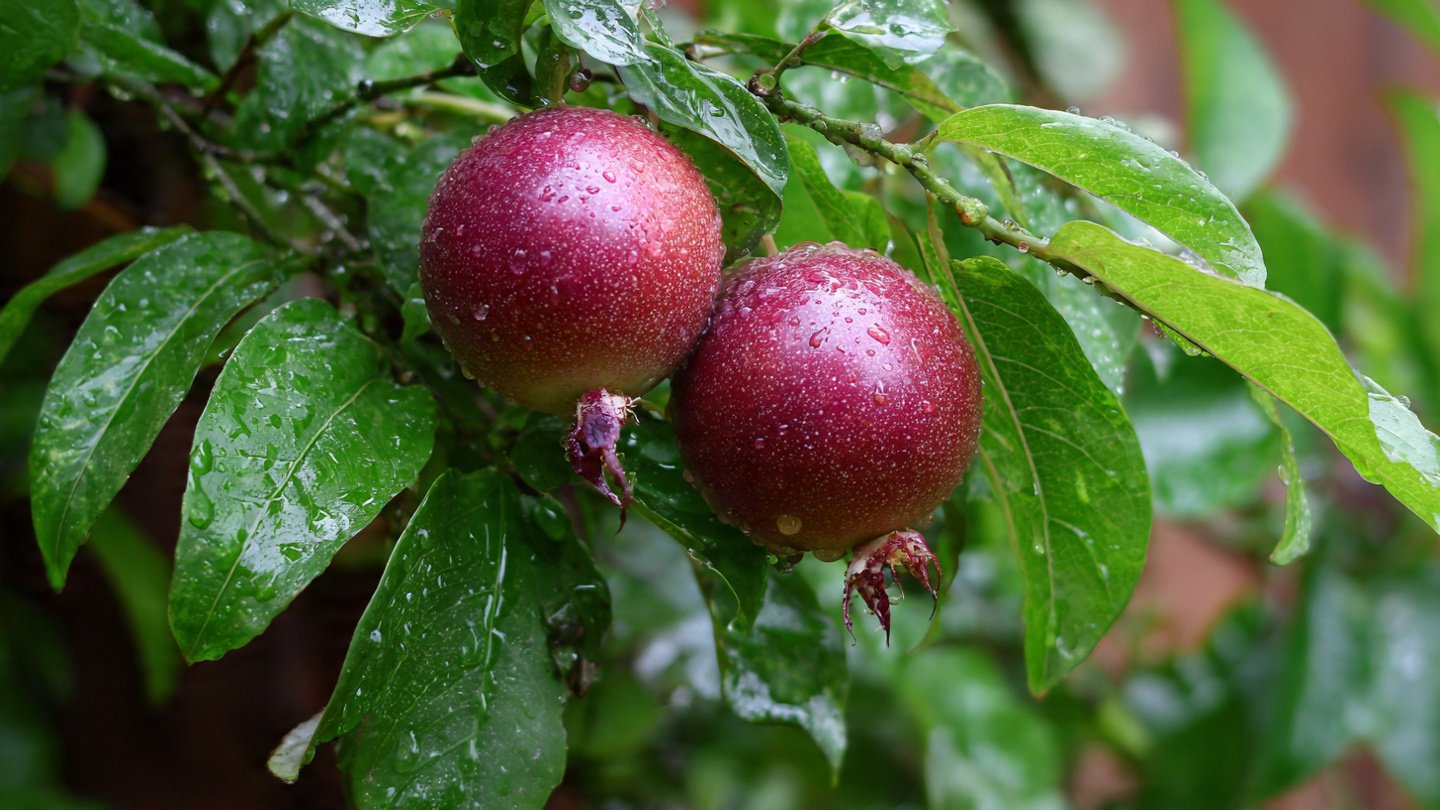
Passion fruit (Passiflora edulis) is a tropical vine prized for its fragrant flowers and nutrient-rich, tangy fruit. Growing passion fruit from seed is a rewarding and cost-effective way for beginners to cultivate this exotic plant at home. While it requires patience and proper care, following a structured, step-by-step approach ensures healthy seedlings and a strong foundation for fruit production. This guide outlines everything you need to know to successfully grow passion fruit from seed, from selecting fruit to nurturing mature vines.
Selecting the Right Passion Fruit
The first step in growing passion fruit from seed is choosing the right type of fruit. There are two main varieties: purple passion fruit (Passiflora edulis var. edulis) and yellow passion fruit (Passiflora edulis var. flavicarpa). Purple varieties are ideal for cooler climates and produce smaller but intensely flavored fruit, while yellow varieties thrive in tropical and subtropical areas, producing larger, more acidic fruit.
When selecting fruit, choose fully ripe, healthy passion fruits. Ripe fruit has a fragrant aroma and slightly wrinkled skin, indicating that the seeds inside are mature and viable for planting. Avoid overripe or damaged fruits, as they may yield weak or non-viable seeds.
Extracting and Preparing Seeds
Once you have selected a ripe passion fruit, extract the seeds by cutting the fruit in half and scooping out the pulp. Place the pulp in a bowl of water and gently rub it to separate the seeds from the surrounding gelatinous coating. This step, known as fermentation or cleaning, improves germination rates by removing the natural inhibitory layer around the seeds.
After cleaning, rinse the seeds thoroughly with clean water and lay them on a paper towel to dry for a day. Avoid leaving seeds in direct sunlight for long periods, as this may damage their viability. Some gardeners also soak seeds in lukewarm water for 24 hours before planting to further soften the seed coat and enhance germination.
Choosing a Suitable Growing Medium
Passion fruit seeds require a well-draining, nutrient-rich growing medium for successful germination. A light, porous soil mix is ideal. A combination of equal parts potting soil, sand, and perlite provides adequate drainage while retaining moisture. Avoid heavy clay soils or overly dense garden soil, as these can hinder root development and increase the risk of damping-off disease.
Using sterilized soil or seed-starting mix reduces the likelihood of fungal infections, which are common in young seedlings. Ensure that the container or seed tray has drainage holes to prevent waterlogging.
Planting Passion Fruit Seeds
To plant passion fruit seeds, fill seed trays or small pots with the prepared soil mix, leaving about half an inch of space from the top. Sow seeds about 1/2 inch deep and cover lightly with soil. Space multiple seeds apart to prevent overcrowding, which can lead to weak seedlings and poor air circulation.
Water the soil gently but thoroughly, ensuring it is evenly moist. Avoid overwatering at this stage, as waterlogged soil can cause seeds to rot. Maintaining consistent moisture is essential for germination, but the soil should never be soggy.
Providing Optimal Conditions for Germination
Passion fruit seeds require warmth, moisture, and light to germinate successfully. Place the seed trays in a warm location with temperatures between 75–85°F (24–29°C). Covering the trays with a transparent plastic lid or plastic wrap helps retain humidity, creating a mini-greenhouse effect that encourages sprouting.
Germination usually takes 2–4 weeks, but some seeds may take up to 6 weeks to sprout. During this period, check the soil regularly and keep it consistently moist. Avoid exposing seeds to direct, harsh sunlight, which can dry out the soil and damage delicate seedlings.
Transplanting Seedlings
Once seedlings develop their first true leaves, they are ready to be transplanted into individual pots. Choose small containers with good drainage, and fill them with a nutrient-rich potting mix similar to the seed-starting medium. Gently remove seedlings from the tray, being careful not to damage the fragile roots.
Plant seedlings at the same depth they were growing in the tray. Water lightly after transplanting and place the pots in a location with bright, indirect sunlight. At this stage, seedlings are particularly sensitive to environmental stress, so avoid sudden temperature fluctuations or harsh sunlight.
Caring for Young Passion Fruit Plants
Young passion fruit plants require consistent care to establish strong roots and vigorous growth. Water regularly to keep the soil evenly moist but not waterlogged. Applying a thin layer of organic mulch around the base of seedlings helps retain moisture, regulate temperature, and prevent weed competition.
Fertilization is important during the early growth stage. Use a balanced, water-soluble fertilizer diluted to half strength every 2–3 weeks to provide essential nutrients without overwhelming the young roots. As seedlings grow, gradually increase fertilizer strength and frequency to support healthy leaf and stem development.
Providing Support and Training
Passion fruit is a climbing vine, which means that even young plants benefit from support structures. Installing a small trellis, bamboo stake, or other vertical support helps train the vine and encourages upward growth. Early training reduces tangling, promotes stronger stems, and prepares the plant for future fruiting.
Pruning young vines is also beneficial. Remove weak or spindly stems to focus the plant’s energy on developing strong, healthy branches. Regular monitoring and training from an early stage ensure a well-structured, productive vine in the long term.
Transitioning to Outdoor Growth
Once seedlings reach 6–12 inches in height and have a well-developed root system, they can be gradually acclimated to outdoor conditions. Start by placing seedlings in a shaded outdoor area for a few hours each day, gradually increasing exposure to sunlight over 1–2 weeks. This hardening-off process reduces transplant shock and prepares the plants for full outdoor growth.
Choose a location with full sun or partial shade, depending on your climate, and well-draining soil. Passion fruit vines prefer slightly acidic to neutral soil with a pH of 6.0–7.0. Planting in fertile, compost-enriched soil promotes strong growth and abundant fruiting.
Ongoing Maintenance
Maintaining passion fruit vines involves regular watering, fertilization, pruning, and pest management. Deep, infrequent watering encourages roots to grow downward, making the plant more resilient to drought. Mulching around the base retains soil moisture and controls weeds.
Fertilize established vines every 4–6 weeks during the growing season with a balanced fertilizer or one higher in potassium and phosphorus to support flowering and fruit development. Prune annually to remove dead or overcrowded stems, which improves air circulation and encourages new growth.
Monitor for common pests and diseases, including aphids, scale insects, mealybugs, and fungal infections. Early detection and treatment using organic solutions like neem oil, insecticidal soap, or fungicides prevent significant damage to young and mature plants alike.
Flowering and Fruiting
Passion fruit vines typically begin flowering 12–18 months after sowing from seed, although environmental conditions and care can affect timing. Flowers are fragrant, intricate, and essential for fruit production. Pollination, often by bees or other insects, is necessary for fruit set. In areas with limited pollinator activity, hand pollination can increase fruit yield.
Once pollinated, fruit development takes approximately 2–3 months. Harvest fruit when it is fully colored and slightly soft to the touch. Overripe fruit may drop naturally, signaling that seeds are mature and ready for future planting.
Propagation from Seeds: Long-Term Benefits
Growing passion fruit from seed has several advantages for beginners. It is cost-effective compared to buying established plants, allows experimentation with different cultivars, and provides insight into the plant’s complete growth cycle. Additionally, seed-grown plants tend to develop stronger root systems, which can lead to long-term productivity and resilience.
Although patience is required, the satisfaction of nurturing a plant from seed to fruiting vine is unmatched. Seed-grown passion fruit vines often produce abundant, flavorful fruit once properly cared for, making the effort well worth it.
Troubleshooting Common Issues
New gardeners may encounter challenges when growing passion fruit from seed. Common issues include poor germination, weak seedlings, leggy growth, or slow flowering. Address these problems by ensuring seeds are viable, soil is well-draining, light and temperature are appropriate, and seedlings are not overcrowded. Adjusting watering, fertilization, and support structures can also promote healthier growth and prevent long-term shrinkage or stunted development.
Conclusion
Growing passion fruit from seed is an enjoyable and rewarding process, perfect for beginners seeking a hands-on gardening experience. By carefully selecting seeds, preparing soil, providing optimal germination conditions, and nurturing seedlings with consistent care, anyone can cultivate a thriving passion fruit vine. With proper support, pruning, and maintenance, seed-grown plants will eventually flower and produce delicious, aromatic fruit, creating a fruitful and beautiful addition to your home garden. Patience, attention to detail, and dedication are the keys to transforming small seeds into bountiful, vibrant passion fruit vines that delight the senses and provide a sustainable source of tropical fruit.