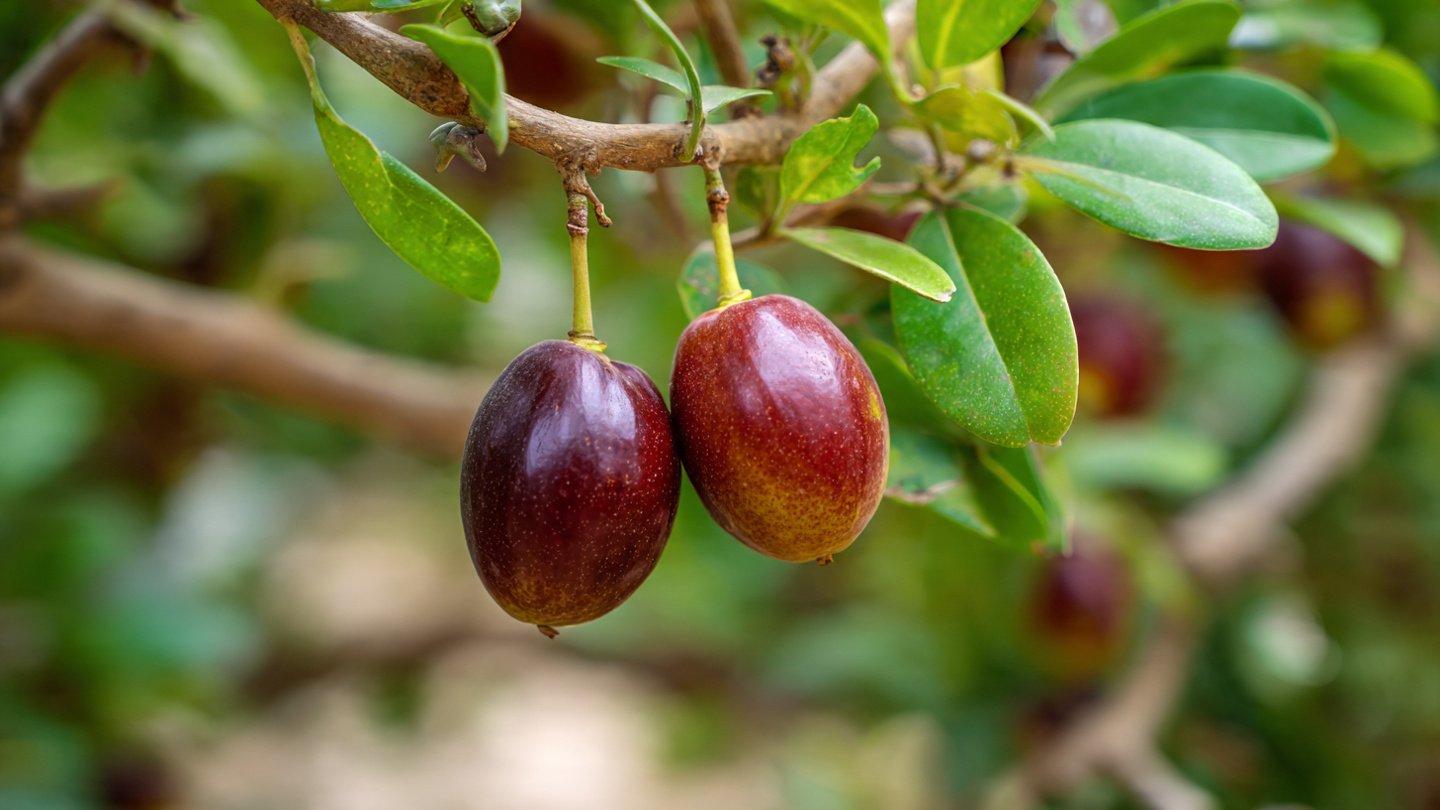
The Chinese jujube (Ziziphus jujuba), also known as red date, is a versatile and resilient fruit tree celebrated for its delicious, nutrient-rich fruits and medicinal properties. Growing jujube from seeds is a rewarding process, but it requires careful attention to germination techniques and early growth practices to ensure fast, healthy development. Unlike transplanting young saplings, starting from seeds allows you to cultivate strong, adaptable trees that can thrive in a variety of climates. This guide provides step-by-step instructions for accelerating germination, nurturing seedlings, and establishing healthy young jujube plants.
Understanding Chinese Jujube and Its Seed Germination
Chinese jujube is a deciduous tree that can grow in harsh environments, including dry, sandy soils and areas with high temperatures. Despite its hardiness, jujube seeds have a naturally tough outer shell, which slows germination if left untreated. Understanding the dormancy mechanisms of jujube seeds is essential for speeding up the process.
Key Features of Jujube Seeds
- Hard Seed Coat: Jujube seeds are covered with a dense, lignified coat that protects the embryo but inhibits water absorption.
- Cold Stratification Requirement: In nature, seeds experience a period of cold dormancy during winter, which helps break the seed coat and promotes germination in spring.
- Slow Germination: Untreated seeds can take months to sprout, which is why pre-treatment is crucial for faster growth.
By employing proper pre-treatment techniques, gardeners can significantly reduce germination time and produce vigorous seedlings.
Preparing Jujube Seeds for Germination
Effective seed preparation is the foundation for fast germination. The goal is to soften the hard seed coat and mimic natural environmental conditions.
Step 1: Select Quality Seeds
- Choose mature, plump seeds from ripe jujube fruits.
- Discard shriveled, cracked, or damaged seeds, as they are less likely to germinate successfully.
- Wash seeds thoroughly to remove pulp residue, which may harbor fungi or bacteria.
Step 2: Scarification
Scarification involves weakening the seed coat to improve water uptake. This can be done using the following methods:
- Mechanical Scarification: Lightly sand the seed coat with sandpaper or nick it with a knife. Avoid damaging the embryo inside.
- Hot Water Soak: Place seeds in hot water (around 140°F or 60°C) for 24 hours. This softens the seed coat and initiates germination.
- Acid Treatment (Optional): Soaking seeds in a mild acidic solution (such as vinegar or citric acid) for a few hours can also break dormancy, but care must be taken to avoid damaging seeds.
Scarification is crucial for speeding up germination. Seeds left untreated may take six months or more to sprout.
Step 3: Cold Stratification
After scarification, seeds benefit from cold stratification, which simulates winter conditions and triggers metabolic activity.
- Place seeds in a damp paper towel or sand-filled plastic bag.
- Refrigerate at 36–41°F (2–5°C) for 4–6 weeks.
- Ensure the medium remains slightly moist but not waterlogged to prevent mold growth.
Cold stratification combined with scarification drastically improves germination rates and reduces the time to sprout.
Sowing Jujube Seeds
Once seeds are pre-treated, sowing them correctly ensures fast germination and healthy early growth.
Step 1: Prepare the Planting Medium
- Use a well-draining, nutrient-rich soil mix, such as a combination of sandy loam, compost, and perlite.
- pH should be slightly acidic to neutral (6.0–7.0).
- Moist but not soggy soil prevents seed rot while maintaining sufficient moisture for sprouting.
Step 2: Planting Depth and Spacing
- Sow seeds about 0.5–1 inch deep.
- Space seeds at least 2–3 inches apart to allow for root and seedling development.
- Cover lightly with soil and press gently to ensure good contact between seeds and soil.
Step 3: Watering
- Water gently after planting to avoid washing away seeds.
- Maintain consistent moisture using a spray bottle or fine watering can.
- Avoid overwatering, which can lead to fungal infections or seed rot.
Step 4: Temperature and Light
- Maintain soil temperature between 70–85°F (21–29°C) to encourage rapid germination.
- Provide bright, indirect sunlight or use a grow light for 12–16 hours a day.
- Avoid direct scorching sun, which can dry out soil and damage tender seedlings.
Accelerating Germination
With proper seed preparation and sowing techniques, jujube seeds can sprout within 2–4 weeks, compared to several months without treatment. Additional strategies to accelerate germination include:
- Humidity Dome: Cover the seed tray with a clear plastic lid or plastic wrap to maintain high humidity. Remove once seedlings emerge to prevent damping-off disease.
- Warm Soil Mat: Using a seedling heat mat maintains consistent soil warmth and speeds metabolic activity.
- Regular Monitoring: Check moisture levels daily and water lightly as needed. Remove mold or diseased seeds immediately.
Consistent care during this stage ensures faster germination and healthier seedlings.
Caring for Jujube Seedlings
Once seedlings emerge, early growth care is critical to establish strong, vigorous plants.
1. Thinning
- Thin seedlings when they reach 2–3 inches tall, leaving the strongest individuals.
- Space seedlings 4–6 inches apart to allow for root and canopy development.
2. Sunlight
- Young seedlings require at least 6 hours of sunlight daily. Gradually acclimate them to full sun to prevent stress.
3. Watering
- Keep soil evenly moist but avoid waterlogging.
- Reduce frequency slightly once seedlings are established to encourage deeper root growth.
4. Fertilization
- Start light feeding with a balanced liquid fertilizer once seedlings develop 2–3 true leaves.
- Avoid high-nitrogen fertilizers early, as this encourages excessive leaf growth at the expense of root development.
5. Hardening Off
- Before transplanting outdoors, gradually expose seedlings to outdoor conditions over 1–2 weeks.
- Begin with partial shade and gradually increase sunlight exposure to prevent transplant shock.
Transplanting Jujube Seedlings
After 8–10 weeks, seedlings are ready for transplanting to their permanent location.
Choosing the Site
- Select a location with full sun and well-draining soil.
- Jujube trees tolerate poor soil but thrive in loamy or sandy soils with moderate fertility.
- Ensure adequate space (10–15 feet apart) for mature tree growth.
Transplanting Steps
- Dig a hole slightly larger than the root ball.
- Gently remove the seedling from the tray, keeping soil intact around roots.
- Place the seedling in the hole and fill with soil, pressing lightly.
- Water thoroughly and mulch around the base to retain moisture.
Transplanting carefully reduces shock and encourages strong root establishment.
Common Challenges and Solutions
Growing jujube from seeds can present challenges. Understanding common problems helps maintain fast and healthy growth:
- Slow Germination: Ensure proper scarification and cold stratification. Avoid skipping pre-treatment steps.
- Damping-Off Disease: Avoid overwatering, provide airflow, and remove infected seedlings promptly.
- Leggy Seedlings: Provide sufficient light or supplemental grow lights to prevent spindly growth.
- Pests: Young seedlings may attract aphids or caterpillars. Use organic pest control or insecticidal soap if necessary.
Proactive monitoring and care prevent these issues from affecting early growth.
Benefits of Growing Jujube from Seeds
- Stronger Root Systems: Seed-grown trees develop deep, resilient roots better adapted to local soil conditions.
- Cost-Effective: Seeds are inexpensive compared to purchasing saplings.
- Genetic Diversity: Seed propagation allows for variation in fruit quality and tree resilience.
- Adaptability: Trees grown from seeds adapt well to local climates and soil conditions.
Growing jujube from seeds offers both economic and horticultural advantages for home gardeners and orchardists alike.
Conclusion
Growing Chinese jujube from seeds can be a fast, rewarding process if you follow proper germination and early growth techniques. By selecting quality seeds, performing scarification and cold stratification, and providing optimal soil, temperature, and light conditions, you can significantly accelerate germination. Careful attention to early growth, including watering, fertilization, thinning, and hardening off, ensures strong, healthy seedlings ready for transplanting.
Seed-grown jujube trees develop robust root systems, adapt well to local conditions, and provide long-term productivity. With patience and proper care, growing jujube from seeds allows gardeners to enjoy healthy, resilient trees and delicious, nutrient-rich fruits for years to come.
By following this guide, gardeners can transform the slow, unpredictable process of jujube propagation into a fast, controlled, and highly successful venture, ensuring thriving trees and bountiful harvests.