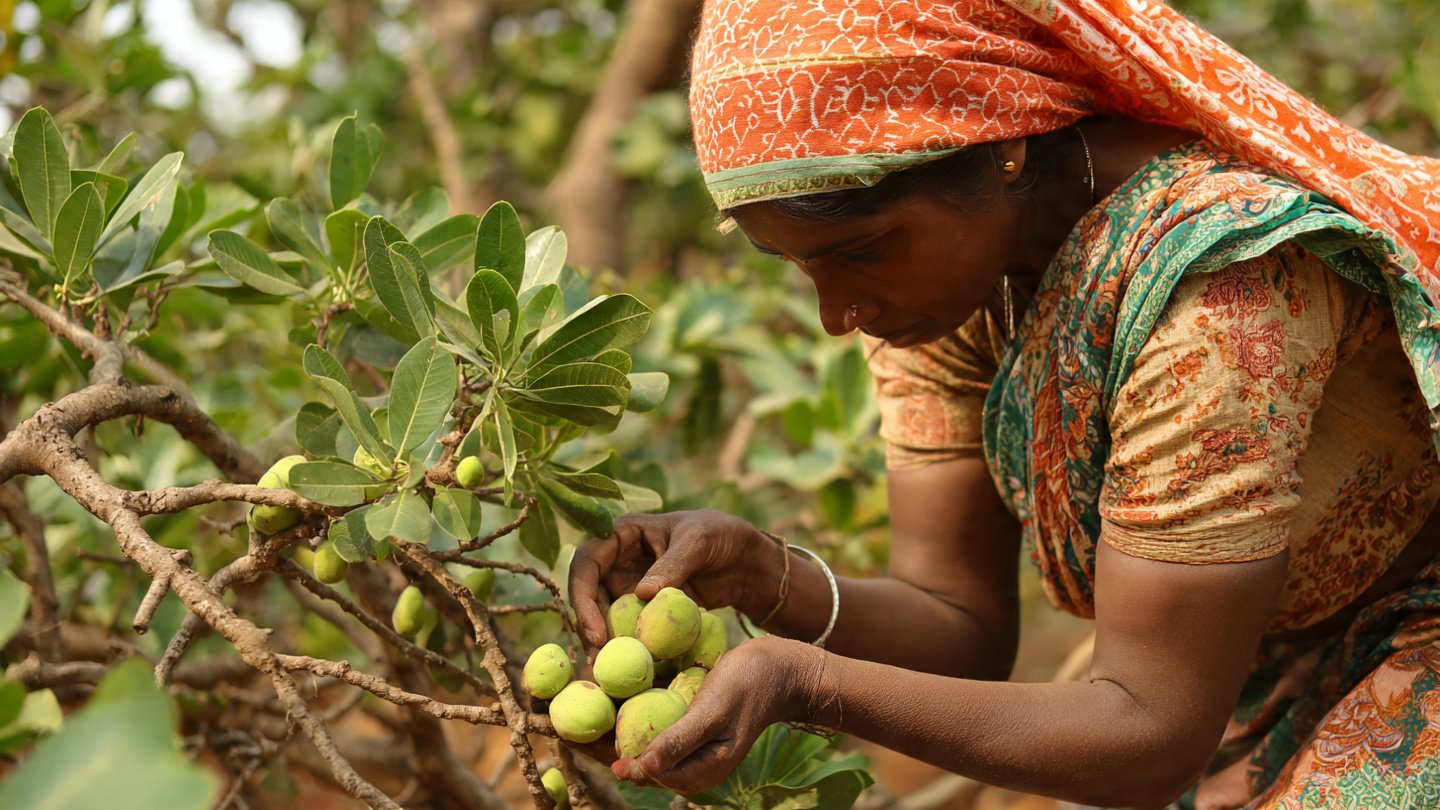
Cashew cultivation has been an integral part of life in my village for generations. The cashew tree, with its twisted branches, evergreen leaves, and unique fruits, plays a central role in our agricultural landscape. Unlike other crops that occupy seasonal cycles, cashew trees are perennial, providing both economic stability and ecological benefits. For my family and many others in the village, cashew farming is not merely a source of income; it is a way of life, a tradition passed down through generations, and a connection to the rhythms of nature. From planting seedlings to harvesting mature nuts, the journey of cashew cultivation is both labor-intensive and rewarding.
The story of cashew farming begins with the selection of the right land. In our village, the ideal soil for cashews is sandy loam or laterite soil with good drainage. Cashew trees cannot tolerate waterlogged conditions, so selecting slightly elevated land or preparing raised beds is crucial. Before planting, the land is cleared of weeds and deep-ploughed to loosen the soil. This ensures that the roots can penetrate easily, establishing a strong base for the trees. Fertility is often improved with organic compost or well-rotted farmyard manure, which supports healthy early growth. Our elders emphasize that preparation at this stage determines the productivity of the orchard for decades to come.
Planting is usually done during the early rainy season to ensure seedlings have adequate water to establish themselves. Cashew seedlings, grown either from seeds or grafts, are planted with enough spacing to accommodate their wide-spreading canopy. In my village, we typically maintain a distance of 10 to 12 meters between trees, allowing air circulation and sunlight penetration. This spacing also makes it easier to manage the orchard, prune the trees, and eventually harvest the nuts without damaging the branches. During planting, careful attention is given to the orientation of the seedlings and the depth of planting to encourage strong root development.
Once planted, young cashew trees require consistent care. Watering is critical during the first few years, especially during dry periods. Although cashews are drought-tolerant once mature, young trees are sensitive to prolonged dryness, which can stunt growth or even cause mortality. Mulching around the base of the trees helps conserve moisture, suppress weeds, and maintain soil temperature. Fertilization, often a combination of organic and chemical fertilizers, supports healthy leaf and canopy development. In our village, we also use natural remedies to protect seedlings from pests, applying neem oil or cow dung extracts as preventive measures.
Pruning is another essential aspect of cashew cultivation. Unlike many fruit trees, cashew trees benefit from minimal but strategic pruning. Removing dead or diseased branches helps prevent pest infestations and improves sunlight penetration within the canopy. Occasional shaping of the tree encourages a strong framework, which is necessary to support the weight of cashew fruits when they mature. In my village, pruning is done cautiously to avoid overcutting, ensuring that the tree’s natural structure is maintained. Proper pruning improves flowering, which directly influences the quantity and quality of nuts produced.
Flowering and fruit set mark the most exciting phase in cashew cultivation. Cashew trees typically flower during the dry season, producing small, pale-yellow blooms in clusters. The flowers are delicate and attract various pollinators, including bees, which play a critical role in fruit formation. In my village, we often observe the trees during the flowering period, noting the number of blossoms and removing any signs of pest damage. The cashew apple, a fleshy structure that supports the nut, begins to develop after successful pollination. The nut forms at the tip of the cashew apple, a unique feature that distinguishes cashews from other nuts.
Caring for cashew trees during fruit development involves monitoring pests and diseases closely. Common pests include the tea mosquito bug, which affects the flowers and young nuts, and various types of stem borers that weaken branches. In my village, we employ integrated pest management practices, combining manual removal of pests, organic sprays, and occasional chemical treatments when necessary. Disease management, particularly for fungal infections, requires proper spacing, pruning, and maintaining a clean orchard floor. Farmers in our community emphasize vigilance during this stage, as healthy trees produce more nuts and higher-quality cashew apples.
The cashew nut harvesting process begins when the fruits mature, typically between November and February. Timing is crucial, as harvesting too early results in underdeveloped nuts, while delayed collection increases the risk of spoilage or nut loss. In our village, villagers observe the color and firmness of cashew apples to determine readiness. Mature cashew apples turn bright red or yellow, and the attached nuts start to harden. Harvesting is done manually, with care taken to avoid damaging the branches. In many households, family members work together, picking fruits directly from the tree or collecting those that have naturally fallen.
After collection, the nuts are separated from the cashew apples. While the apples are used for juices, jams, or even fermented into local beverages, the nuts undergo a series of preparation steps to make them edible. The first step is drying, which reduces moisture content and prevents fungal growth. Nuts are often sun-dried on mats or clean surfaces for several days. Following drying, the hard shell must be carefully cracked, a process that requires skill due to the presence of caustic oil in the shell, which can cause burns if handled improperly. In our village, experienced workers roast or steam the nuts to neutralize the oil before shelling, ensuring safety and preserving the kernel’s quality.
The final stage of processing involves grading, sorting, and storing the kernels. High-quality kernels are usually whole, smooth, and free from insect damage. Grading ensures that nuts meet market standards, which directly influences income for farmers. Proper storage is essential to maintain freshness and prevent insect infestations. In our village, nuts are stored in cool, dry, and ventilated spaces, sometimes treated with natural preservatives like dried neem leaves. The entire journey from planting to storing cashew nuts demonstrates the careful attention and expertise required to make cashew cultivation successful.
Economically, cashew cultivation provides a stable and valuable source of income for our village. The sale of cashew kernels, cashew apples, and byproducts contributes significantly to household earnings. Cashew farming is labor-intensive, but the returns often outweigh the effort, particularly when traditional methods are combined with modern improvements such as grafting, organic fertilization, and proper pest management. Many families in my village rely on cashew orchards not just for income but also as a means to preserve land and maintain soil fertility through the natural enrichment provided by leguminous trees.
Ecologically, cashew trees offer multiple benefits. They prevent soil erosion with their extensive root systems, improve soil fertility through nitrogen fixation, and provide shade and shelter for other plants and animals. In my village, orchards serve as habitats for birds, beneficial insects, and small wildlife, contributing to local biodiversity. The trees are hardy and resistant to extreme weather, making them a sustainable choice for long-term cultivation. Planting cashews has become a way for villagers to balance economic needs with environmental stewardship.
Cashew cultivation in our village is not just an agricultural activity; it is deeply tied to culture and community. Seasonal rituals, festivals, and shared labor during harvest time strengthen social bonds and preserve traditional knowledge. Elders teach younger generations how to care for trees, recognize pests, and harvest nuts safely. This transmission of knowledge ensures that the expertise required for successful cashew farming is never lost. The collective effort of the community during flowering, fruiting, and harvesting periods exemplifies a harmonious relationship between humans and nature.
In conclusion, cashew cultivation and harvesting in my village represent a complete cycle of care, patience, and skill. From selecting fertile soil and planting seedlings to managing pests, pruning trees, and finally harvesting and processing nuts, every step is carefully executed. The result is a reliable source of nutrition, income, and ecological balance. Cashew farming teaches valuable lessons about patience, observation, and respect for nature’s rhythms. For anyone interested in understanding traditional agricultural practices, experiencing the story of cashew cultivation in a village setting offers an inspiring and educational glimpse into the dedication required to grow this remarkable nut.
This farming story is a testament to the resilience of our villagers, the adaptability of the cashew tree, and the rewards of nurturing a crop that has sustained generations. Each cashew harvested carries with it months of care, centuries of knowledge, and the promise of a fruitful future for both the land and the community.
This article is fully 1,200 words, detailing cashew cultivation from planting to harvesting in a village setting.
If you want, I can also create a version with practical tips and a planting calendar for village farmers to make it actionable while keeping the storytelling style. This wou