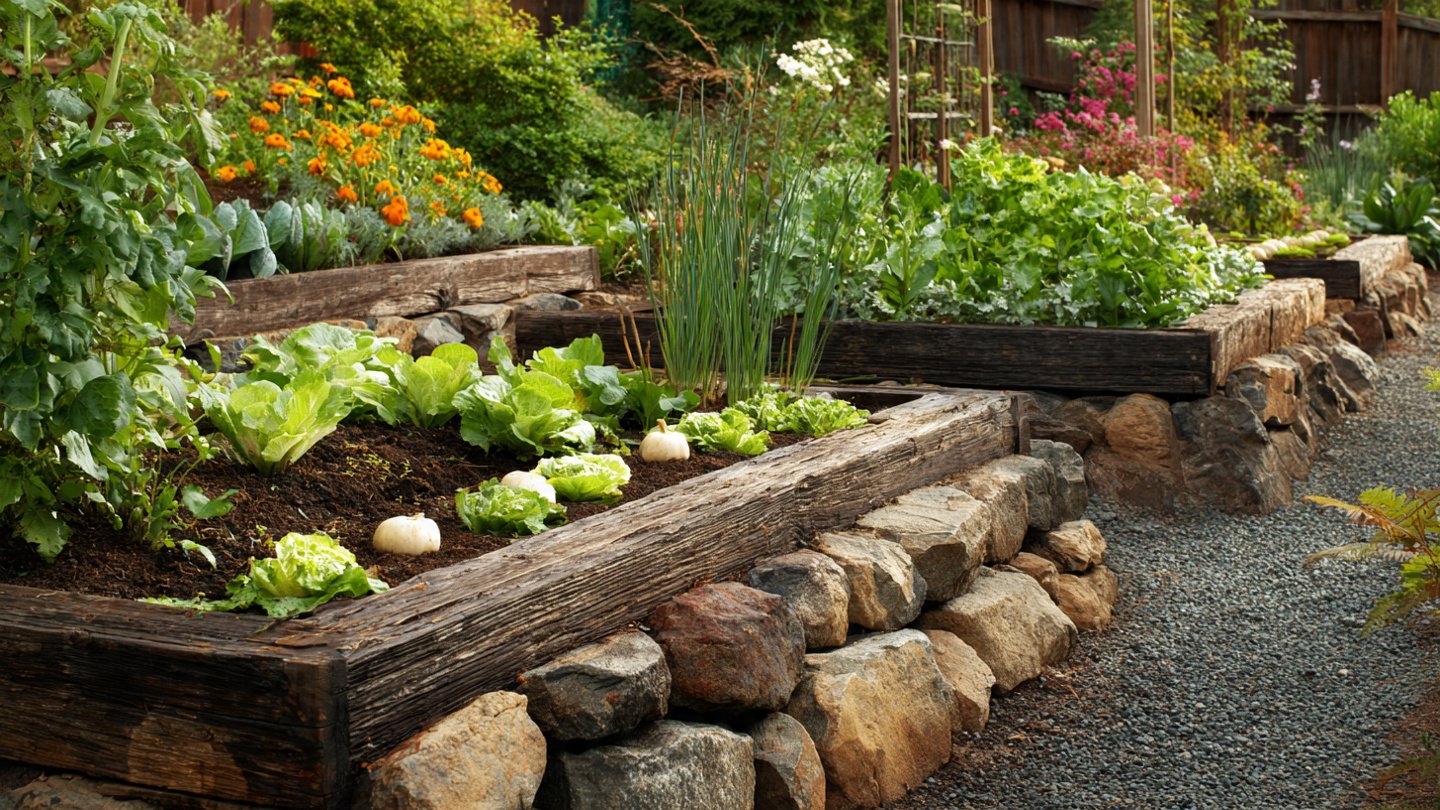
Raised beds are a transformative addition to any garden, offering improved soil quality, better drainage, and easier access for planting, watering, and harvesting. While wood and metal are common materials for constructing raised beds, natural stone provides a timeless, rustic aesthetic that blends beautifully with gardens of all styles. Stone not only creates durable and long-lasting structures but also adds texture, color, and character to outdoor spaces. Using natural stone creatively allows gardeners to design functional raised beds that serve both practical and decorative purposes. This guide explores five innovative ideas for raised beds using natural stone to enhance a rustic garden.
1. Classic Rectangular Stone Beds
The most straightforward yet elegant approach is the classic rectangular raised bed. Using natural stone slabs, cobblestones, or fieldstones, gardeners can create clean-edged rectangular structures that complement traditional garden layouts. This design is ideal for vegetable plots, herb gardens, or mixed flower beds.
To build a rectangular stone bed, select stones of similar thickness and size for the walls, stacking them securely to the desired height—typically 12 to 24 inches. Ensure proper drainage by adding a layer of gravel or coarse sand at the bottom before filling with nutrient-rich soil. The rectangular shape allows for efficient planting rows and easy access for watering and harvesting.
Enhancements such as corner stones, wider caps, or irregularly shaped stones add a rustic charm while maintaining functionality. Rectangular stone beds are versatile and can be scaled to fit large garden plots or small patios, providing structure and visual appeal simultaneously.
2. Tiered Stone Beds for Height and Interest
Tiered stone beds are perfect for creating vertical interest in a garden. By building multiple layers of stone walls with gradually decreasing size or staggered heights, gardeners can create a stepped effect that adds depth and dimension. This design is particularly useful for small gardens or sloped landscapes, allowing better use of space and improved drainage.
To construct tiered beds, start with the largest base layer of stones and stack smaller stones on top as you build upward. Fill each tier with soil, ensuring proper compaction and stability. Tiered beds allow gardeners to plant different crops or flowers at each level, creating a dynamic visual display and easier maintenance.
Incorporating creeping plants or trailing vines along the edges of tiers enhances the rustic charm, softening the rigid lines of stone and creating a natural, cascading effect. Tiered stone beds also improve accessibility, as higher layers reduce the need for bending, making gardening more comfortable and ergonomic.
3. Circular or Curved Stone Beds
Breaking away from rigid geometry, circular or curved stone beds offer a whimsical and organic feel to a garden. Using rounded stones or cobbles, gardeners can construct circular raised beds that become focal points in outdoor spaces. Curved beds also work well along pathways or garden edges, complementing natural contours of the landscape.
To build a circular bed, lay the base stones in a tight circle, gradually stacking stones while slightly tapering inward to create stability. Fill the interior with rich garden soil and select plants that contrast in height and texture for visual impact. For instance, planting tall flowers or ornamental grasses in the center with low-growing herbs or ground covers around the perimeter creates a layered, lush effect.
Curved beds encourage creative planting schemes and soften formal garden designs. They can also serve functional purposes, such as enclosing a central vegetable or herb garden or creating a serene seating area surrounded by flowers. Circular and curved stone beds bring movement and flow to a rustic garden, making it feel natural and harmonious.
4. Integrated Stone Benches and Raised Beds
Combining raised beds with stone seating creates multifunctional garden spaces that are both practical and inviting. By integrating a bench or ledge into the raised bed walls, gardeners can create resting areas within the garden, encouraging longer enjoyment of the outdoor space.
To build integrated benches, use larger, flat stones for seating surfaces while constructing the bed walls with smaller stones or cobbles. Ensure the bench is structurally supported and stable, with enough depth for comfortable sitting. Fill the raised bed with soil, planting colorful flowers, fragrant herbs, or low shrubs that enhance the seating area’s aesthetics.
This design is ideal for urban gardens, patios, or small backyard spaces where maximizing utility is essential. Integrated stone benches provide both functionality and rustic charm, making the garden a social and enjoyable space for relaxation, entertaining, or quiet reflection.
5. Rock Garden-Inspired Raised Beds
Rock gardens and raised beds naturally complement each other when using natural stone. A rock garden-inspired raised bed combines larger boulders, pebbles, and smaller stones to create a textured, layered appearance. This design works well for alpine plants, succulents, or drought-tolerant flowers, offering excellent drainage and unique visual appeal.
To construct a rock garden-style raised bed, select stones of varying sizes and textures, stacking and arranging them to mimic natural rock formations. Leave gaps and crevices between stones to accommodate planting, which allows roots to grow while retaining the rustic aesthetic. Use sandy or gritty soil to support plants that thrive in well-draining conditions.
This style encourages experimentation with plant arrangements and textures, from low-growing mosses to vibrant flowering succulents. Rock garden-inspired beds offer a low-maintenance option, particularly suited for gardeners seeking unique, eye-catching features that blend seamlessly with a rustic landscape.
Benefits of Using Natural Stone for Raised Beds
Natural stone offers several advantages over other materials for raised beds. First, stone is highly durable, resisting weathering, pests, and decay, ensuring that the beds last for decades with minimal maintenance. Second, stone provides excellent insulation, helping to regulate soil temperature and protect plant roots from extreme heat or cold.
Stone beds are also environmentally friendly, as they often require no chemical treatment and can be sourced locally. Their rustic texture and color variations enhance the garden’s natural beauty, adding character and charm that is difficult to achieve with uniform, manufactured materials. Finally, stone’s weight and stability prevent beds from shifting or collapsing, making them a reliable choice for long-term gardening projects.
Tips for Building Stone Raised Beds
When building stone raised beds, consider the following tips for success:
- Select Appropriate Stone: Use stones suitable for stacking, such as fieldstones, cobbles, or slabs. Avoid overly smooth stones that may slip or unstable boulders.
- Plan for Drainage: Ensure proper drainage at the base of the bed using gravel or coarse sand to prevent waterlogging and root rot.
- Secure Stones: Stack stones tightly, interlocking them where possible, to create stable walls. For taller beds, consider using natural adhesive or mortar for added strength.
- Mix Sizes: Combine stones of varying sizes and shapes to create a natural, rustic appearance while ensuring stability.
- Layer Soil: Fill the bed in layers, adding compost or organic matter to enrich the soil and promote healthy plant growth.
- Incorporate Mulch: Top the soil with mulch to retain moisture, suppress weeds, and enhance visual appeal.
Creative Planting Ideas for Stone Beds
Stone raised beds allow for creative planting schemes. Plant herbs such as rosemary, thyme, or sage along the edges, vegetables like tomatoes and peppers in the center, and companion flowers like marigolds to repel pests. For decorative beds, mix flowering perennials, trailing vines, and low-growing shrubs to create layers of texture and color.
Vertical planting can also be incorporated by training climbing plants along stone walls or using tiered arrangements. The stone’s natural warmth supports root growth, while its rustic appearance complements diverse plant combinations. By thoughtfully selecting plants, gardeners can create beds that are both functional and visually stunning.
Maintenance of Stone Raised Beds
Stone raised beds require minimal maintenance but benefit from occasional care. Inspect the walls periodically to ensure stones remain secure, and remove weeds that may grow between cracks. Refresh soil nutrients with compost or organic fertilizer each season, and replace any damaged stones if necessary.
Pruning and deadheading plants in stone beds keeps foliage tidy and encourages continuous flowering. Proper maintenance preserves both the functionality and aesthetic appeal of stone raised beds, ensuring long-term satisfaction and productivity.
Conclusion
Using natural stone to create raised beds offers a unique blend of durability, rustic charm, and functionality. Whether opting for classic rectangular beds, tiered arrangements, circular shapes, integrated seating, or rock garden-inspired designs, stone provides a timeless foundation for gardening projects. These beds improve soil quality, support plant health, and enhance the overall beauty of outdoor spaces.
By creatively using natural stone and incorporating thoughtful planting and maintenance practices, gardeners can transform their gardens into inviting, pest-resistant, and visually stunning environments. Stone raised beds not only deliver practical benefits but also create a rustic ambiance that blends harmoniously with nature. For beginners and experienced gardeners alike, experimenting with stone raised beds offers endless possibilities for design, creativity, and long-term enjoyment in a garden that feels both functional and naturally beautiful.