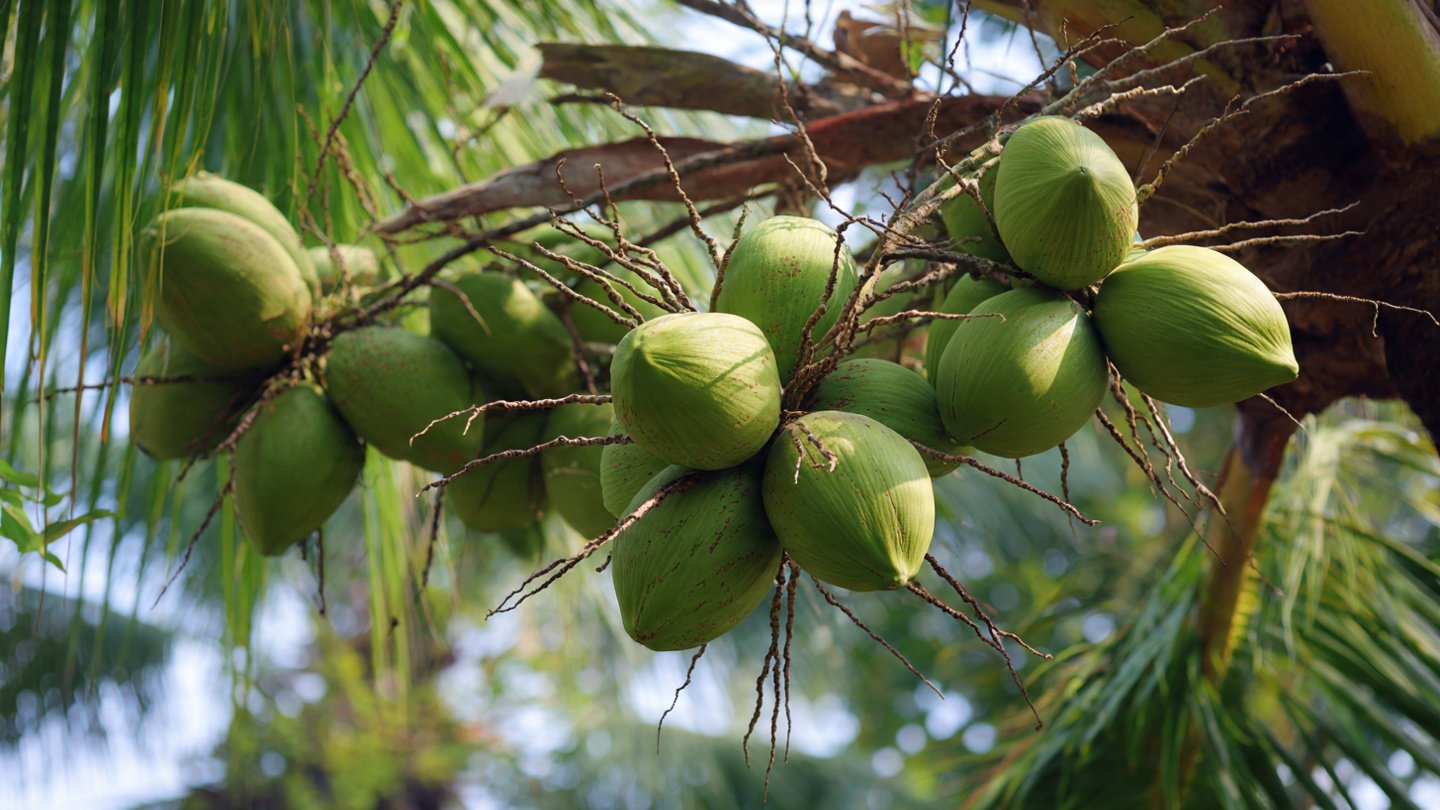
Growing a coconut plant at home is an exciting and rewarding endeavor that can provide both aesthetic value and delicious fresh coconuts. Coconut palms are iconic tropical plants, known for their graceful appearance and nutritious fruit. While they are commonly grown in tropical climates, with the right care, it is possible to cultivate a coconut plant in containers or gardens at home. By understanding the requirements for soil, sunlight, water, nutrients, and care, you can encourage healthy growth and eventually enjoy abundant nut production.
The first step in growing a coconut plant is selecting the right coconut to start with. Opt for a mature, brown coconut with water inside. The presence of water indicates that the seed is viable and capable of germination. Avoid coconuts that are cracked, dry, or visibly damaged, as these are unlikely to sprout successfully. For the best results, select coconuts that are fresh, ideally harvested within the last three months. Some gardeners prefer using young green coconuts, but brown coconuts typically have a better germination success rate when growing for nut production.
Once you have selected your coconut, preparation is key. Soak the coconut in water for two to three days before planting. This helps soften the shell and kickstarts the germination process. After soaking, choose a large, deep container or a well-draining garden spot. Coconut palms require significant root space to grow properly, so if planting in a container, select one that is at least 18 inches deep and wide. For garden planting, ensure the soil is sandy or loamy with good drainage. Coconut palms do not thrive in clay-heavy or waterlogged soils, as these conditions can lead to root rot and stunt growth.
Planting the coconut correctly is essential for successful germination. Lay the coconut on its side with the pointed end slightly facing downward. Partially bury it in the soil so that one-third of the coconut is above ground. This orientation allows the roots to grow downward while the sprout emerges from the top. Maintain soil moisture but avoid overwatering at this stage. Coconut seeds can take anywhere from three to six months to sprout, so patience is necessary. During this period, ensure the coconut is kept in a warm location with indirect sunlight to encourage healthy growth.
Sunlight is critical for coconut palm growth. Coconut plants thrive in full sun, requiring at least six to eight hours of direct sunlight daily. If growing indoors or in regions with limited sunlight, consider using grow lights to supplement natural light. Adequate sunlight encourages strong stem development, healthy leaves, and ultimately supports fruit production. Rotate container-grown plants occasionally so that all sides receive even exposure, which prevents uneven growth and weak stems.
Watering is another crucial factor in coconut plant care. Young seedlings require consistent moisture but should never sit in soggy soil. Water the plant deeply, allowing water to penetrate the root zone. During the first year, coconut palms need regular watering, especially in hot or dry conditions. Once established, mature palms are more drought-tolerant but still benefit from frequent watering, particularly during flowering and fruit formation. Using mulch around the base helps retain soil moisture, regulate temperature, and prevent weeds, which contributes to healthier growth.
Nutrition plays a significant role in coconut palm development. Coconut palms are heavy feeders and require a balanced supply of macro and micronutrients. Apply a slow-release fertilizer high in potassium and phosphorus to encourage flower and fruit production. Nitrogen is also important, particularly in the early growth stages, to support lush leaf development. In addition to commercial fertilizers, organic options like compost, well-rotted manure, or seaweed extract can enhance soil fertility and improve plant health. Feeding should be done every two to three months, adjusted according to the age and size of the plant.
Pruning and maintenance help coconut plants focus energy on growth and fruiting. Remove any dead, damaged, or yellowing leaves regularly to maintain plant health and prevent pests or diseases. Avoid excessive pruning, as leaves are essential for photosynthesis, which powers growth and fruit development. Regular inspection for pests such as coconut mites or scale insects is necessary. Early detection allows for natural or chemical control methods, reducing stress on the plant and improving nut production.
Pollination is a natural process that occurs in coconut palms. Coconut flowers are monoecious, producing both male and female flowers on the same plant. In outdoor conditions, pollination is often aided by wind and insects. In container-grown or indoor plants, manual pollination may be necessary to ensure fruit set. Using a soft brush, transfer pollen from male flowers to female flowers during the flowering season. Proper pollination dramatically increases the chances of abundant nut production.
Temperature and climate also influence coconut palm growth and productivity. Coconut palms thrive in warm, tropical conditions with temperatures between 75°F and 95°F. While young plants can tolerate slight temperature fluctuations, prolonged exposure to cold can damage the plant and inhibit fruiting. For regions with cooler climates, growing coconuts in large containers allows you to move them indoors or to protected areas during winter. Maintaining a stable, warm environment is crucial for flowering and nut development.
Soil health is another pillar of successful coconut cultivation. Ensure the soil is well-draining and rich in organic matter. Sandy soils are ideal because they prevent waterlogging and support root expansion. Adding compost or aged manure improves nutrient content and enhances soil structure. Coconut palms prefer slightly acidic to neutral soil pH, around 5.5 to 7. Regular soil testing can help monitor nutrient levels and prevent deficiencies that could limit fruit production.
Patience is essential when growing coconuts at home. Coconut palms typically take three to six years to begin producing nuts when grown from seed, although container-grown palms may take longer depending on conditions. However, with proper care and consistent attention to sunlight, water, nutrients, and pollination, your coconut plant can reward you with a steady supply of coconuts over many decades. Regular observation allows you to detect early signs of stress or disease and take corrective action promptly.
As the coconut plant matures, managing fruit production becomes an important aspect of care. Mature palms may produce multiple clusters of coconuts at a time, each containing several nuts. Harvesting should be done carefully to avoid damaging the plant or nearby structures. For container-grown palms, pruning lower leaves can facilitate easier access to the fruits. Always use clean tools and exercise caution when handling mature palms, as their height and weight can pose challenges.
In addition to fruit production, coconut palms provide aesthetic value and can enhance any home or garden environment. Their tall, slender stems and long, feathery leaves create a tropical ambiance. They also improve air quality and provide shade, which can benefit other plants in your garden. Container-grown coconut palms can serve as attractive focal points on patios, balconies, or indoor spaces with ample sunlight.
In conclusion, growing a coconut plant at home for abundant nut production is a fulfilling project that requires patience, care, and attention to detail. By selecting healthy seeds, providing adequate sunlight, water, and nutrients, ensuring proper soil conditions, and assisting with pollination when needed, you can cultivate a thriving coconut palm. Regular maintenance, pest management, and pruning contribute to the overall health and productivity of the plant. While it may take several years to reach full fruiting potential, the combination of consistent care and the plant’s natural resilience will ultimately reward you with fresh, nutritious coconuts. With dedication and the right approach, your home-grown coconut palm can become a long-lasting and fruitful addition to your garden, providing tropical beauty and delicious harvests for years to come.