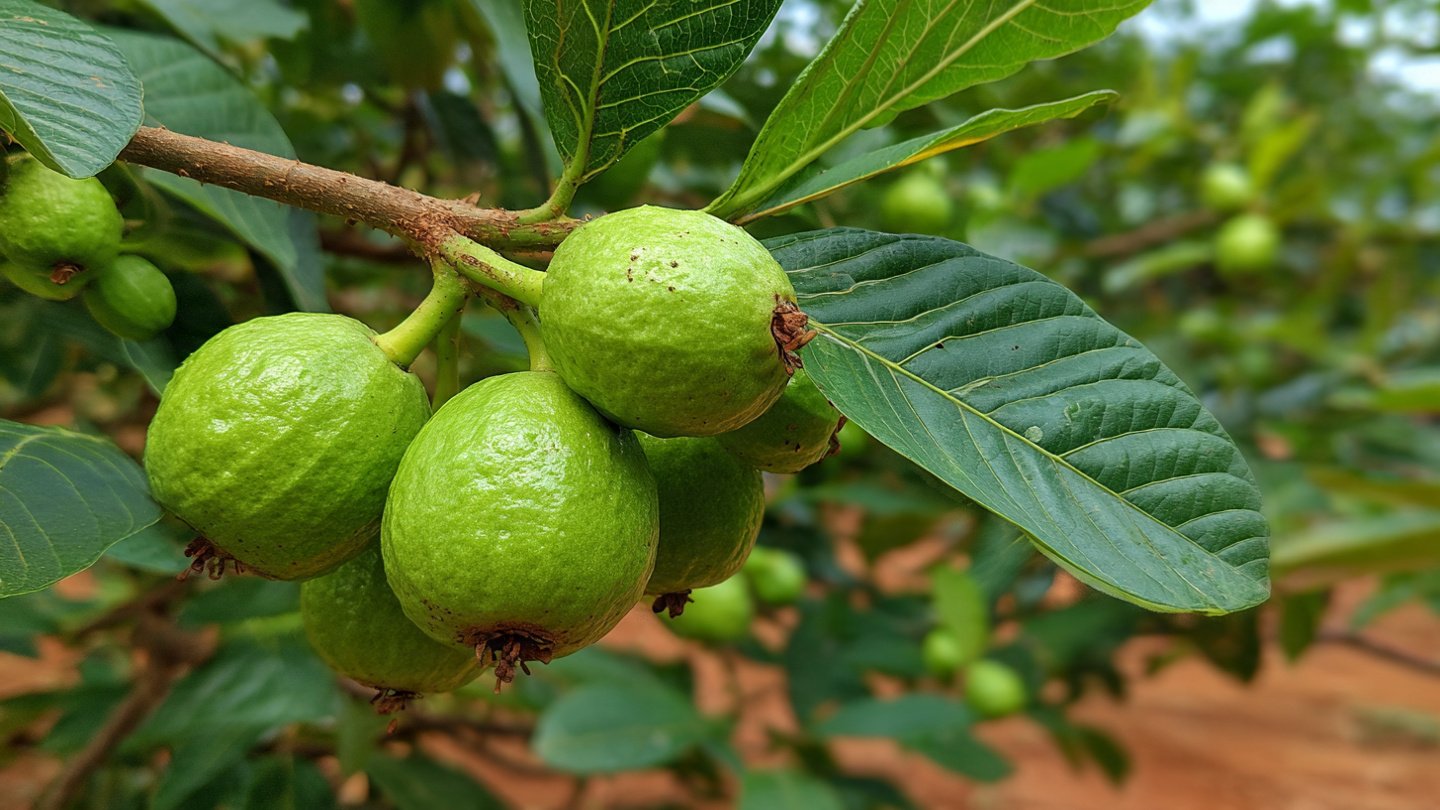
Guava is a tropical fruit beloved for its sweet aroma, rich flavor, and nutritional benefits. For farmers and gardeners, the challenge lies in achieving early fruiting and high yields while maintaining healthy plants. Traditional methods often require patience, sometimes waiting 3–5 years for fruiting, and even then, production may be inconsistent. However, with modern horticultural techniques, guava cultivation has become more predictable and productive. This article explores the new smart techniques that allow guava plants to fruit earlier and produce abundantly.
Understanding Guava Plants
Before diving into the techniques, it is important to understand guava’s growth characteristics. Guava (Psidium guajava) is a hardy tropical and subtropical fruit tree that adapts to a variety of soils. It grows best in well-drained loamy soil with a pH of 5.5–7. Guava trees can tolerate drought once established but flourish with consistent moisture and good nutrition.
Guava plants produce two types of flowers: terminal and lateral. Managing these flowers and pruning branches strategically is key to early fruiting and heavier yields. Modern smart cultivation focuses on controlling these factors to accelerate maturity and maximize production.
Choosing the Right Variety
The first step toward early fruiting and high yield is selecting the right guava variety. Some varieties naturally bear fruit earlier, while others are high-yielding but take longer to mature. Popular early-fruiting varieties include Allahabad Safeda, Sardar, and Lalit. These varieties are known for their vigorous growth, adaptability, and good-quality fruit.
Choosing a grafted plant rather than a seedling is another smart choice. Grafted plants bear fruit within 12–18 months, whereas seed-grown plants may take 3–5 years. High-quality grafted saplings from certified nurseries ensure disease-free, uniform, and productive plants.
Site Selection and Soil Preparation
A smart guava cultivation technique begins with selecting the right planting site. Guava prefers full sunlight for at least 6–8 hours a day, which enhances photosynthesis and fruit development. Poorly lit areas can result in delayed flowering and reduced fruit quality.
Soil preparation is equally crucial. Loosen the soil to a depth of 45–60 cm and incorporate organic matter such as compost, well-decomposed farmyard manure, or bio-fertilizers. Proper soil fertility promotes healthy root development, strong vegetative growth, and early flowering. For areas with heavy clay, adding sand or organic amendments improves drainage and prevents root rot.
Smart Planting Techniques
Planting guava saplings correctly lays the foundation for early fruiting. The recommended spacing for commercial orchards is 3–4 meters between plants and 4–5 meters between rows. Adequate spacing ensures sunlight penetration, good air circulation, and reduces the risk of pest and disease infestations.
For individual plants or home gardens, you can adopt the pit method. Dig pits of 45 cm × 45 cm × 45 cm and fill them with a mix of topsoil, compost, and bio-fertilizers. Plant the sapling slightly above the soil level to prevent waterlogging. Water immediately after planting and apply a protective mulch to conserve moisture and suppress weeds.
Smart Nutrient Management
Early fruiting and heavy production depend heavily on nutrition. Guava requires a balanced supply of nitrogen, phosphorus, potassium, and micronutrients like zinc and boron. Modern smart techniques involve staged fertilization:
- Vegetative Growth Stage: High nitrogen promotes strong shoots and leaf development.
- Flower Initiation Stage: Phosphorus and potassium encourage flower formation and fruit set.
- Fruiting Stage: Potassium enhances fruit size, sweetness, and shelf life.
Organic amendments such as compost, vermicompost, and biofertilizers improve soil health and microbial activity, which supports better nutrient uptake. Foliar sprays of micronutrients like zinc sulfate and boron at critical stages can significantly improve flowering and fruit set.
Smart Pruning Techniques
Pruning is a critical smart technique for guava cultivation. Proper pruning promotes early branching, reduces vegetative dominance, and enhances flower and fruit formation. The first pruning is done 6–8 months after planting to encourage a strong central framework.
Subsequent annual pruning removes weak, diseased, or overcrowded branches. Shortening terminal branches stimulates lateral growth and flowering. Smart pruning techniques also include topping the main stem to create a bushy canopy, which exposes more branches to sunlight and encourages early and prolific flowering.
Water Management for Early Fruiting
Guava trees are drought-tolerant but respond exceptionally well to proper irrigation. Consistent moisture during flowering and fruiting stages improves fruit size and quality. The new smart technique involves drip irrigation, which delivers water directly to the root zone, reduces wastage, and maintains optimal soil moisture.
Mulching with straw, leaves, or organic material further conserves soil moisture, moderates temperature, and prevents weed growth. Avoid overwatering, as it can lead to root diseases and flower drop.
Flower Induction Techniques
To achieve early fruiting, some farmers adopt smart flower induction techniques. Plant growth regulators such as GA3 (Gibberellic Acid) and Paclobutrazol can induce flowering in young guava plants. Applying these chemicals at the right concentration and stage stimulates flower bud initiation and promotes synchronized flowering, leading to early and uniform fruiting.
Additionally, proper nutrient management and pruning, combined with optimal sunlight and irrigation, naturally trigger early flowering without heavy reliance on chemicals.
Pest and Disease Management
Guava plants are susceptible to pests like fruit flies, mealybugs, aphids, and diseases such as anthracnose, wilt, and fruit rot. Early fruiting can increase vulnerability to pests if not monitored. The smart approach is integrated pest management (IPM):
- Use pheromone traps for fruit flies.
- Apply neem-based insecticides or bio-pesticides to control aphids and mealybugs.
- Remove infected leaves or fruits promptly to prevent the spread of disease.
- Maintain proper spacing and prune regularly to enhance airflow and reduce fungal infections.
A healthy plant with proper nutrition, water management, and pruning is more resistant to pests and diseases.
Harvesting for Maximum Yield
The timing of harvest affects both quality and subsequent production. Guava fruits are harvested when they reach full size and start changing color. Early harvesting at this stage encourages the plant to initiate the next flowering cycle sooner.
For commercial purposes, harvesting every 3–4 weeks during the fruiting season ensures continuous production and maximizes yield. Avoid leaving overripe fruits on the tree, as they may attract pests and reduce overall productivity.
Maximizing Production with Smart Practices
Combining all the above techniques—grafted plants, proper planting, staged nutrition, pruning, irrigation, flower induction, and pest management—results in a smart system for high-yield guava cultivation. With these practices, guava trees can bear fruit in 12–18 months, produce larger fruits, and maintain heavy production for years.
For commercial orchards, using mechanized tools for pruning, fertigation, and irrigation further optimizes labor and enhances efficiency. Home gardeners can achieve similar results on a smaller scale with careful attention to watering, pruning, and feeding.
Conclusion
The new smart techniques for growing guava plants offer a promising way to achieve early fruiting and heavy production. By integrating modern horticultural practices, such as grafted plants, precise pruning, staged nutrient management, flower induction, and drip irrigation, farmers and gardeners can enjoy a reliable supply of high-quality guava fruits.
Whether you are cultivating guava commercially or for personal use, applying these smart strategies ensures healthy plants, maximizes yield, and reduces the time to fruiting. With consistent care and monitoring, guava trees can be transformed from slow-growing perennials into highly productive, early-fruiting assets in your garden or orchard.
Adopting these techniques not only improves fruit yield and quality but also ensures sustainable cultivation that supports long-term soil health and reduces dependence on chemical inputs. Smart guava cultivation is no longer a distant goal—it is now achievable with knowledge, careful planning, and attention to detail.
By following these best practices, you can enjoy the sweet aroma, delicious flavor, and nutritional benefits of guava while reaping the rewards of early and abundant harvests.