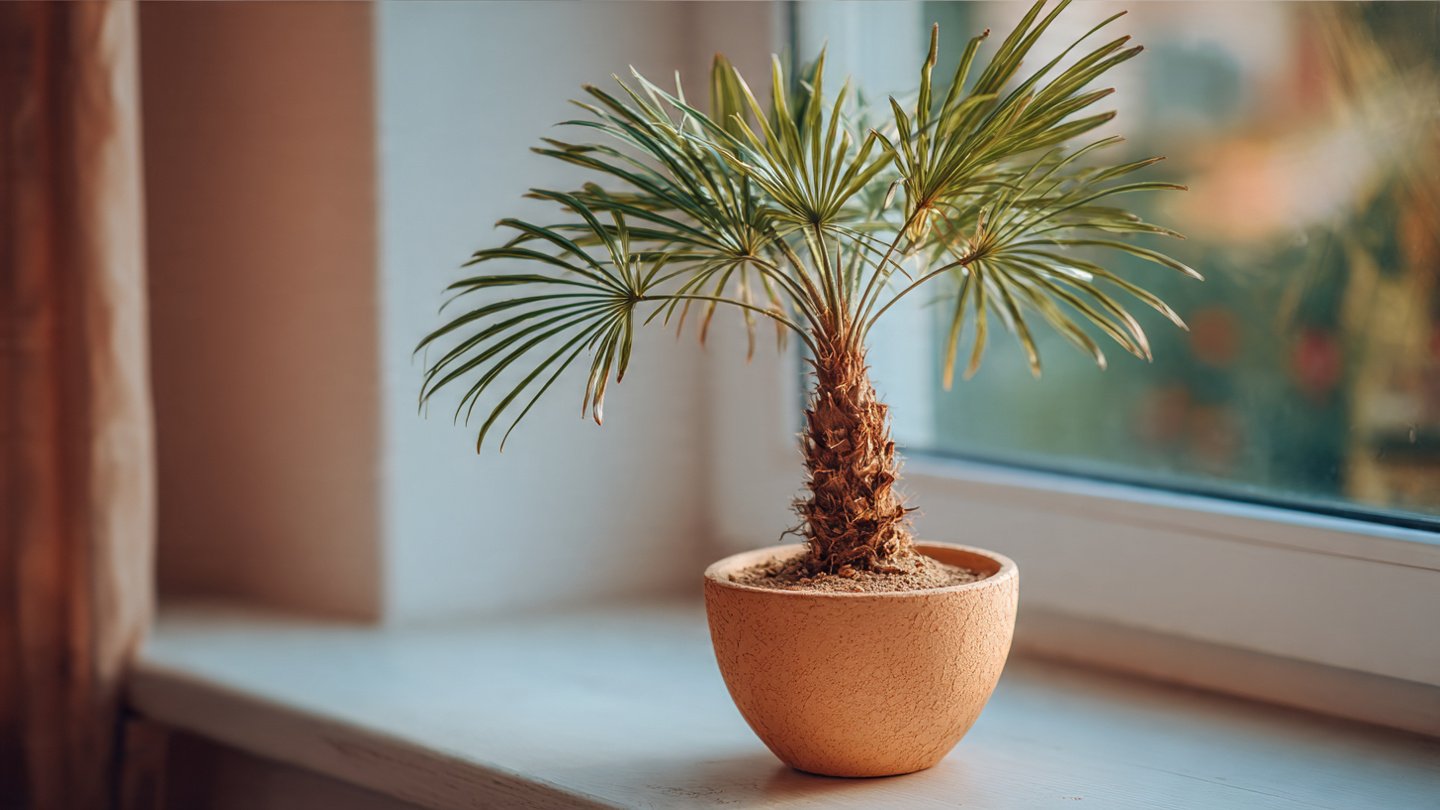
Date palms (date palm) are iconic trees that provide sweet, nutritious fruits, making them highly valued worldwide. Growing a date palm at home is not only rewarding but also adds a touch of tropical elegance to your garden. Whether you want to enjoy fresh dates, create a natural shade, or beautify your backyard, this complete guide will take you step-by-step through the process from seed to fruiting tree.
Why Grow Date Palm Trees at Home?
Homegrown date palms offer several advantages:
- Fresh, Organic Dates – Enjoy naturally sweet fruits without chemicals.
- Low Maintenance – Once established, date palms are hardy and drought-tolerant.
- Aesthetic Value – Their tall, slender trunks and feathery fronds enhance outdoor spaces.
- Health Benefits – Dates are rich in fiber, vitamins, and minerals.
Growing your own tree also gives the satisfaction of nurturing a plant that can thrive for decades.
Step 1: Selecting Quality Seeds
Starting from seeds is the most accessible method for home growers. To ensure success:
- Choose Fresh Seeds: Use seeds from ripe, healthy dates. Fresh seeds germinate faster than old, dried ones.
- Variety Selection: Popular varieties include Medjool, Deglet Noor, and Barhi. Each varies in sweetness, size, and growth rate.
- Seed Preparation: Clean seeds thoroughly to remove any fruit residue to prevent mold or rot.
Tip: Store cleaned seeds in a cool, dry place if you’re not planting immediately.
Step 2: Seed Preparation for Germination
Proper seed preparation ensures faster and more uniform germination.
- Soaking: Soak seeds in warm water for 24–48 hours to soften the hard outer shell.
- Scarification (Optional): Lightly nick the seed coat with sandpaper to enhance water absorption.
- Sterilization: Soak seeds in a mild fungicide solution for 30 minutes to prevent fungal infection during germination.
Step 3: Germination Process
Germinating date seeds requires the right soil, temperature, and moisture conditions:
- Soil Mix: Use a well-draining mixture of sand, garden soil, and compost in a 1:1:1 ratio.
- Planting Depth: Sow seeds about 1–2 cm deep in small pots or seed trays.
- Temperature: Maintain warmth between 25–35°C (77–95°F). Germination slows at lower temperatures.
- Moisture: Keep soil consistently moist but not waterlogged. Cover pots with plastic wrap or a dome to retain humidity.
Germination can take anywhere from 4–8 weeks. Be patient, as some seeds may take longer. Once seedlings develop 2–3 true leaves, they are ready for transplanting.
Step 4: Transplanting Seedlings
Once seedlings are robust, it’s time to transfer them into larger pots or the garden:
- Potting: Use a large container with drainage holes. Fill with sandy loam and compost to provide nutrients and proper drainage.
- Garden Planting: Choose a sunny location with at least 6–8 hours of direct sunlight daily. Space trees at least 3–5 meters apart to allow room for growth.
- Hardening Off: Gradually acclimate seedlings to outdoor conditions over 7–10 days to avoid transplant shock.
Step 5: Ideal Growing Conditions
Date palms thrive in specific environmental conditions:
- Sunlight: Full sun exposure is critical for growth and fruiting.
- Temperature: They prefer arid to semi-arid climates with temperatures between 25–35°C. Young trees can tolerate mild frost, but prolonged cold can damage growth.
- Soil: Well-draining, sandy soils are ideal. They tolerate slightly alkaline conditions but avoid waterlogged areas.
- Watering: Young palms require regular watering. Mature trees are drought-tolerant but will produce better fruits with moderate irrigation.
Tip: Use mulch around the base to retain moisture, suppress weeds, and maintain soil temperature.
Step 6: Fertilization
Proper nutrition ensures healthy growth and future fruiting:
- Young Trees: Apply a balanced NPK fertilizer (10:10:10) every 2–3 months to promote vegetative growth.
- Mature Trees: Use a fertilizer high in potassium and magnesium to support flowering and fruit development.
- Organic Amendments: Compost, manure, or seaweed extracts improve soil structure and provide micronutrients.
Avoid excessive nitrogen, which encourages leafy growth over flowering.
Step 7: Pruning and Maintenance
Pruning keeps date palms healthy and productive:
- Remove Dead Leaves: Cut brown, dry fronds to prevent pests and disease.
- Control Suckers: Trim basal shoots to maintain a strong main trunk.
- Timing: Prune lightly throughout the year and more extensively during dormant periods.
Proper pruning improves airflow, reduces disease risk, and directs the tree’s energy toward fruiting.
Step 8: Flowering and Pollination
Date palms are dioecious, meaning male and female flowers grow on separate trees. Pollination is essential for fruit production:
- Identifying Trees: Ensure you have at least one male tree for every 10 female trees for natural pollination.
- Hand Pollination: In home gardens, hand pollination ensures consistent fruit set. Collect pollen from male flowers and apply it to female flowers using a soft brush.
- Timing: Pollinate during early flowering when female flowers are receptive.
Regular monitoring of flowers improves pollination success and leads to higher yields.
Step 9: Pest and Disease Management
Although hardy, date palms are susceptible to pests and diseases:
- Common Pests: Red palm weevil, aphids, and scale insects.
- Diseases: Fusarium wilt, leaf spot, and anthracnose.
Control Measures:
- Use neem oil or insecticidal soap to manage pests naturally.
- Remove diseased fronds promptly to prevent spread.
- Ensure proper spacing and air circulation to reduce fungal infections.
Preventive care ensures trees remain strong and productive.
Step 10: Fruit Development and Harvesting
After successful pollination, fruits develop over 4–7 months depending on variety:
- Development Stages: Dates pass through kimri (green), khalal (crisp), rutab (ripe), and tamr (fully ripe) stages.
- Harvest Timing: Harvest when fruits reach the desired sweetness. Some varieties are eaten fresh at the rutab stage, while others are dried to tamr.
- Method: Cut fruit clusters carefully with a sharp knife or pruners to avoid damaging the tree.
- Post-Harvest Care: Handle fruits gently. Store fresh dates in a cool, dry place or refrigerate to extend shelf life.
Proper harvesting ensures quality fruits and maintains tree health for subsequent seasons.
Step 11: Propagation for Additional Trees
Once you have successfully grown a date palm, you can propagate additional trees:
- Seeds: Collect seeds from healthy fruits and follow the germination process.
- Offshoots: Mature palms produce basal suckers, which can be separated and planted to grow new trees.
- Tissue Culture: Advanced method for cloning high-yielding varieties, though more technical and suited for commercial growers.
Propagation allows you to expand your home orchard or share plants with friends and family.
Step 12: Long-Term Care and Maintenance
Sustaining a healthy date palm requires ongoing care:
- Regular Fertilization: Feed annually with balanced nutrients.
- Water Management: Adjust irrigation according to seasonal rainfall and tree age.
- Monitoring Growth: Observe for pests, diseases, and nutrient deficiencies regularly.
- Pruning: Maintain structure and remove damaged fronds for decades of productivity.
With proper care, date palms can thrive for 50 years or more, providing sweet fruits and shade for generations.
Conclusion
Growing your own date palm at home is a fulfilling and rewarding experience. From selecting quality seeds to nurturing seedlings, ensuring optimal conditions, managing pests, and harvesting sweet, nutritious fruits, every step plays a vital role in success. By following this step-by-step guide, even beginners can cultivate healthy, productive date palms in their gardens.
The satisfaction of harvesting your own fresh dates, combined with the beauty and longevity of the trees, makes homegrown date palms an excellent investment in both health and aesthetics. Patience, care, and attention to detail ensure that your date palms will thrive, providing delicious fruits and tropical charm for years to come.
Growing a date palm is more than gardening—it’s cultivating a legacy of sweetness, nutrition, and natural beauty right in your backyard.