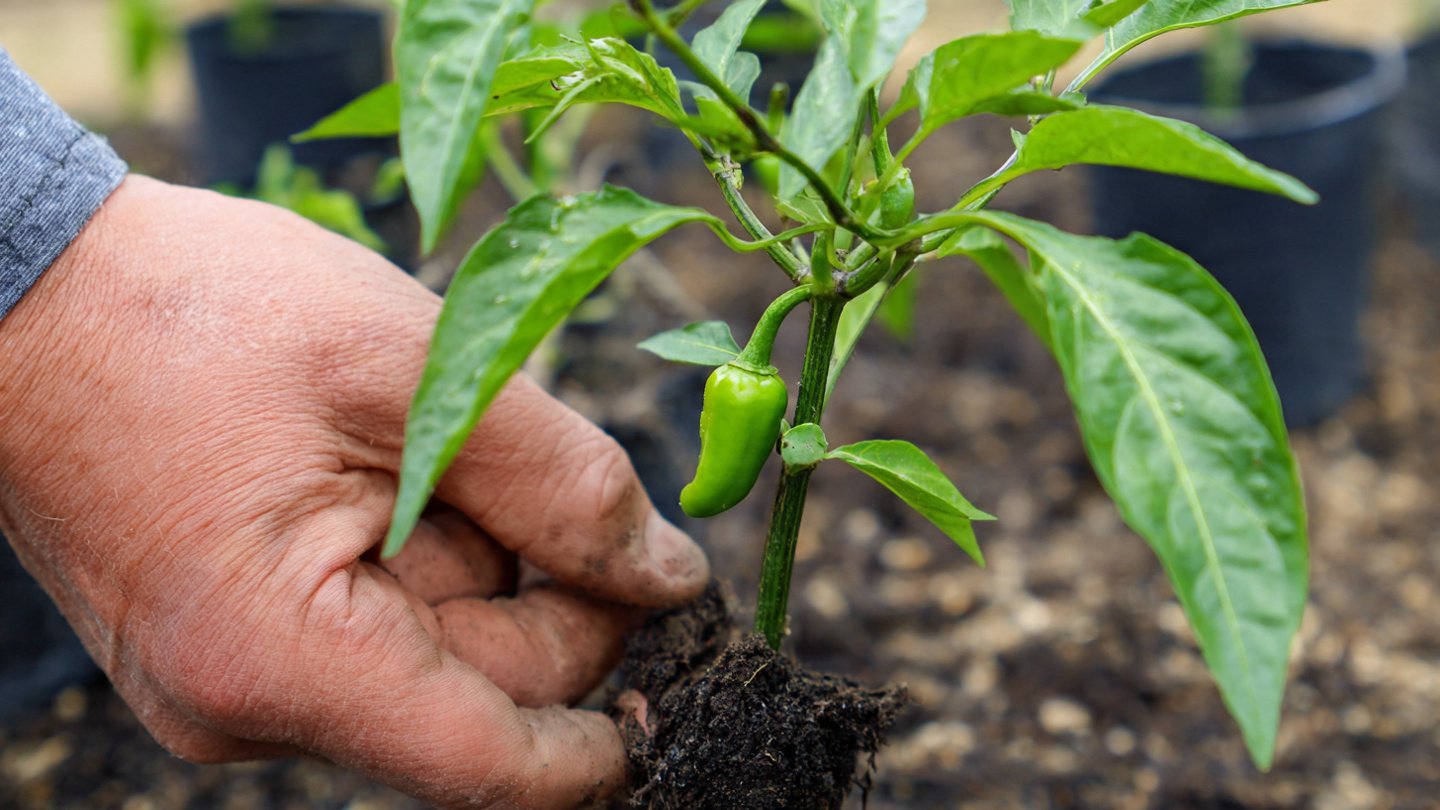
Growing chili plants is already rewarding, but learning how to graft them can completely transform your harvest. Grafting chili plants is a smart, practical technique that combines the strengths of two plants into one powerful, productive chili tree. By joining a strong root system with a high-yielding or flavorful chili variety, gardeners can enjoy healthier plants, better disease resistance, and significantly larger harvests. While grafting may sound advanced, it is surprisingly simple when done correctly, even for home gardeners.
At its core, grafting is the process of joining two living plant parts so they grow together as one. The lower part, called the rootstock, provides the roots and overall vigor. The upper part, known as the scion, determines the type of chili produced, including fruit size, shape, heat level, and flavor. When these two parts successfully fuse, the resulting plant benefits from the best traits of both. This is especially useful for chili growers who want strong growth and consistent yields without relying heavily on fertilizers or chemicals.
One of the main reasons grafting chili plants leads to bigger harvests is root strength. Certain chili varieties develop extremely robust root systems that absorb water and nutrients more efficiently. When a productive but weaker chili variety is grafted onto such a rootstock, it gains access to this powerful foundation. The plant grows faster, supports more branches, and ultimately produces more flowers and fruits. This increased vigor often results in a longer fruiting season as well.
Disease resistance is another major advantage of grafted chili plants. Soil-borne diseases such as wilt, root rot, and nematodes can devastate chili crops, especially in warm climates. Resistant rootstocks act as a protective barrier, allowing the scion to thrive even in less-than-ideal soil conditions. This means healthier plants with fewer losses, which directly translates to higher overall yields.
To begin grafting chili plants, timing is important. Both the rootstock and scion should be young, healthy seedlings with similar stem thickness. This usually occurs when plants are about three to four weeks old, with stems thick enough to handle but still flexible. Choosing compatible chili varieties is also crucial. While many chili types can be grafted together, it is best to stay within the same species group to increase success rates and ensure smooth growth.
The grafting process itself can be done using a simple technique known as splice or cleft grafting. First, the rootstock seedling is cut at a slight angle above the soil line. Next, the scion is cut at a matching angle so the two cut surfaces fit together snugly. The key here is aligning the cambium layers, the thin growth layer just beneath the bark, as this is where the fusion occurs. Once aligned, the joint is secured with a small grafting clip or soft tape.
After grafting, proper healing conditions are essential. The newly grafted chili plant should be kept in a warm, humid environment with indirect light. High humidity prevents the scion from drying out before the vascular tissues connect. Many growers use a simple humidity dome made from a clear plastic container or bag. Over the course of five to ten days, the graft union begins to heal, and new growth signals a successful graft.
During the healing period, watering must be done carefully. The soil should remain slightly moist but never waterlogged. Excess moisture can lead to rot and failure at the graft point. Once the scion shows signs of active growth, humidity can be gradually reduced, and the plant can be introduced to brighter light. This slow transition helps prevent shock and encourages strong, steady development.
As the grafted chili plant matures, pruning plays an important role in turning it into a high-yield chili tree. Removing early flowers allows the plant to focus energy on building a strong framework of branches. Later, strategic pruning improves air circulation and light penetration, which boosts flower production and fruit quality. With a powerful root system supporting the plant, it can handle heavier pruning and still bounce back quickly.
Feeding grafted chili plants is also more efficient. Because the roots are stronger and more active, nutrients are absorbed and utilized better. Gardeners often find they can achieve excellent results with moderate feeding, especially when using organic composts or balanced fertilizers. Overfeeding should still be avoided, as excessive nitrogen can promote leafy growth at the expense of fruiting.
Another benefit of grafted chili plants is their adaptability. They tend to perform better under stress, including heat, drought, and fluctuating temperatures. This resilience allows the plant to continue producing flowers and fruits when non-grafted plants might slow down or stop altogether. For growers in challenging climates, grafting can be the difference between a mediocre harvest and an abundant one.
Over time, a well-maintained grafted chili plant can resemble a small tree, with a thick main stem and multiple productive branches. These chili trees can produce dozens or even hundreds of peppers in a single season, depending on the variety and growing conditions. Some gardeners keep grafted chili plants alive for multiple years, overwintering them indoors and enjoying increasingly larger harvests each season.
Despite its many advantages, grafting does require patience and attention to detail. Not every graft will succeed, especially in the beginning. However, each attempt builds skill and confidence. With practice, success rates improve dramatically, making grafting a reliable and rewarding technique.
In the end, grafting chili plants is a smart investment of time for any grower seeking bigger harvests and healthier plants. By combining strong roots with high-yielding varieties, gardeners can unlock the full potential of their chili crops. This simple yet powerful technique not only boosts productivity but also deepens the gardener’s connection to the growing process. With a little care and curiosity, grafted chili trees can become the stars of any garden, delivering stronger growth, richer flavors, and harvests that truly stand out.