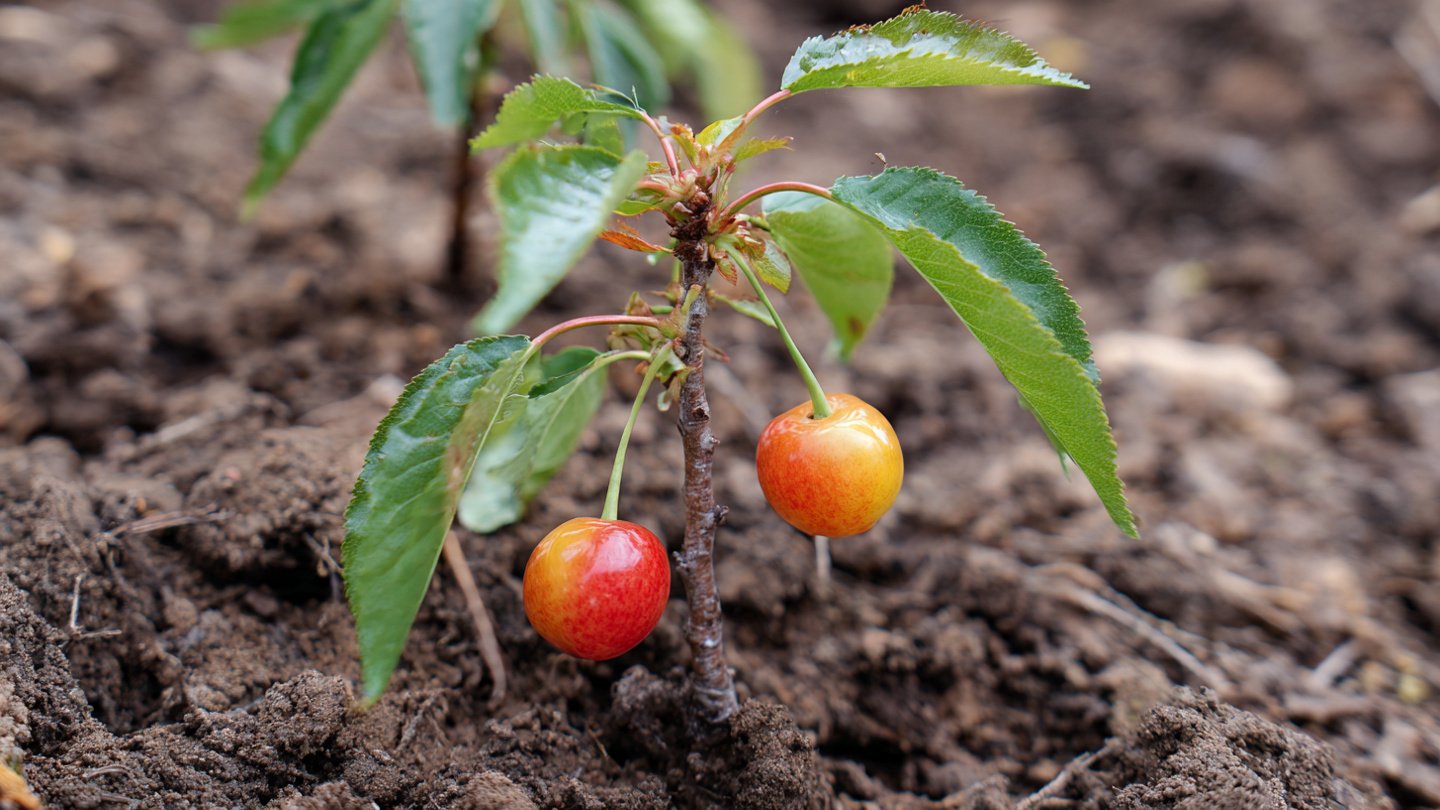
Cherry trees are prized for their delicious fruit, attractive blossoms, and long lifespan. However, one common challenge gardeners face is the long wait before cherry trees begin producing fruit. Many varieties take several years to mature, requiring patience and care. Fortunately, there is a simple technique that can significantly accelerate the growth and productivity of cherry trees: grafting. This method allows gardeners to combine the strengths of two plants, resulting in faster growth, earlier fruiting, and healthier trees. Understanding the process, benefits, and best practices of grafting can transform the way you cultivate cherry trees.
What Is Grafting and Why It Works
Grafting is a horticultural technique that joins two plants to grow as one. Typically, a cutting from a desired fruit-bearing variety, called the scion, is attached to a hardy rootstock. The rootstock provides the foundation, including roots and support, while the scion determines the type of fruit produced.
This technique works because the cambium layers of both plants—just beneath the bark—can fuse when aligned properly. Once fused, the scion draws nutrients and water from the rootstock, allowing it to grow rapidly and establish itself faster than a seedling. Essentially, grafting combines the best qualities of both plants: the hardiness and disease resistance of the rootstock and the superior fruit quality of the scion.
Advantages of Grafting Cherry Trees
Grafting offers numerous benefits that appeal to home gardeners and commercial growers alike. First, grafted cherry trees produce fruit much sooner than trees grown from seed, sometimes halving the time to harvest. This is especially valuable for gardeners who want to enjoy homegrown cherries quickly.
Second, grafting allows for the propagation of specific varieties that cannot be reliably grown from seed. Many cherry cultivars, particularly sweet cherries, do not breed true from seeds, so grafting ensures consistency in fruit quality and flavor.
Third, rootstocks used in grafting can provide additional benefits such as disease resistance, cold hardiness, or dwarfing characteristics, making trees easier to manage and more resilient in various climates.
Finally, grafting allows for multiple varieties on a single tree, enabling cross-pollination and extending the harvest season. This versatility is invaluable for gardeners looking to maximize yield and diversity in a small space.
Selecting Rootstock and Scion
Choosing the right rootstock and scion is critical for successful grafting. Rootstocks are selected based on soil compatibility, climate adaptability, disease resistance, and desired tree size. Common cherry rootstocks include Mazzard, Gisela, and Colt, each with unique characteristics. Dwarfing rootstocks like Gisela 5 produce smaller trees that are easier to manage and harvest.
The scion should be a healthy cutting from a cherry variety you wish to grow. Choose a disease-free, vigorous branch from the previous season’s growth. The scion will dictate fruit type, flavor, and production timing, so select carefully. Ideally, the scion and rootstock should be compatible species to ensure successful grafting.
The Best Time for Grafting
Timing plays a crucial role in the success of grafting cherry trees. The most common time for grafting is late winter or early spring when both the rootstock and scion are still dormant. At this stage, sap flow is minimal, reducing the risk of drying out or infection. Dormant grafting also allows the scion to establish before active growth begins, giving it the best chance to thrive.
Some gardeners also practice summer grafting using actively growing shoots, but this requires more careful monitoring and protection from drying out. For beginners, dormant season grafting is typically easier and more reliable.
Preparing the Rootstock
Proper preparation of the rootstock ensures a strong and successful graft. Start by selecting a straight, healthy rootstock free of disease or damage. Remove any side shoots or buds that may compete with the scion. Make a clean cut at the grafting point, usually just above a bud or node, ensuring a flat, smooth surface.
Moisture retention is essential, so avoid exposing the cut for extended periods. Keeping the rootstock in a shaded, cool area until grafting minimizes stress and promotes successful union.
Preparing the Scion
The scion should be prepared with care to maximize compatibility and growth. Cut a one-year-old shoot from the desired cherry variety, ideally containing two to three buds. Trim the base of the scion into a wedge or a slanting cut to match the rootstock. Ensure the cambium layer—the vital tissue responsible for fusion—is intact and will align with the rootstock cambium.
Avoid drying out the scion by storing it in a damp cloth or plastic bag until grafting. Healthy scion wood increases the likelihood of successful grafting and vigorous growth.
Popular Grafting Techniques for Cherry Trees
Several grafting methods work well for cherry trees. Each technique has its advantages depending on the age and size of the rootstock and scion:
- Whip and Tongue Graft: This method involves making matching slanted cuts on both the scion and rootstock, then creating a tongue in each to interlock them. The interlocking creates a stable graft with a large cambium contact area, increasing the success rate.
- Cleft Graft: Ideal for larger rootstocks, a split is made at the top of the rootstock, and the scion is inserted into the cleft. This method works well when the scion is smaller than the rootstock, allowing multiple scions on one rootstock.
- Bark Graft: Used for larger trees with thick bark, the scion is inserted between the bark and wood. This method is often applied in early spring when the bark is slipping, allowing the cambium layers to join.
- Side-Veneer Graft: Common for dwarfing rootstocks, the scion is attached to the side of the rootstock in a small vertical cut. This method is easier for small-scale gardeners and encourages quick union.
Securing the Graft
After aligning the scion and rootstock, securing the graft is critical. Use grafting tape, parafilm, or rubber bands to hold the scion firmly in place and protect the cut from drying out. Ensure the tape covers the cambium area and prevents moisture loss while not constricting growth. Applying a grafting wax or sealant over the union can further protect against infection and desiccation.
Post-Grafting Care
After grafting, proper care ensures the union heals successfully. Keep the grafted plant in a sheltered area away from strong winds and direct sunlight. Water regularly to maintain consistent soil moisture, but avoid waterlogging, which can lead to rot. Monitor for signs of failure, such as wilting or discoloration, and remove unsuccessful scions to redirect energy to healthy growth.
Once new growth appears from the scion, remove any competing shoots from the rootstock. This directs nutrients to the scion, strengthening the graft and encouraging early fruit production.
Benefits of Grafted Cherry Trees
Grafted cherry trees grow faster and bear fruit earlier than seed-grown trees. The rootstock provides a robust foundation that improves nutrient uptake, water absorption, and disease resistance. The scion ensures the fruit quality and characteristics of the chosen variety. Together, this combination accelerates growth, reduces the waiting period for fruit, and improves overall tree health.
Additionally, grafted trees can be tailored to local conditions. Cold-hardy rootstocks allow delicate scion varieties to thrive in cooler climates, while dwarfing rootstocks make management and harvesting easier in small gardens.
Common Challenges and How to Overcome Them
While grafting is highly effective, it is not without challenges. Incompatibility between scion and rootstock can prevent successful union. Always choose compatible species and varieties. Drying out or infection at the graft site can also cause failure, so maintain proper moisture and protection.
Pests and diseases may attack the grafted area. Using clean tools, healthy plant material, and protective wraps minimizes these risks. Monitoring and adjusting care as the tree grows ensures long-term success.
Expanding Variety Through Grafting
Grafting also allows gardeners to grow multiple cherry varieties on a single tree. This technique supports cross-pollination, extending the harvest period and increasing yield. Multiple varieties on one tree are particularly useful in small gardens, maximizing production without taking up extra space.
Conclusion
Grafting is a simple yet powerful technique that allows gardeners to grow cherry trees faster, produce fruit earlier, and improve overall tree health. By carefully selecting rootstock and scion, using proper grafting methods, and providing diligent post-grafting care, gardeners can significantly reduce the time to harvest while enjoying high-quality fruit.
This method unlocks numerous advantages, including increased disease resistance, adaptability to different climates, and the possibility of growing multiple varieties on one tree. For gardeners seeking to maximize productivity and enjoy cherries sooner, mastering grafting is an essential skill. With attention, patience, and proper technique, anyone can cultivate cherry trees that thrive and bear abundant, delicious fruit in less time than traditional planting methods.