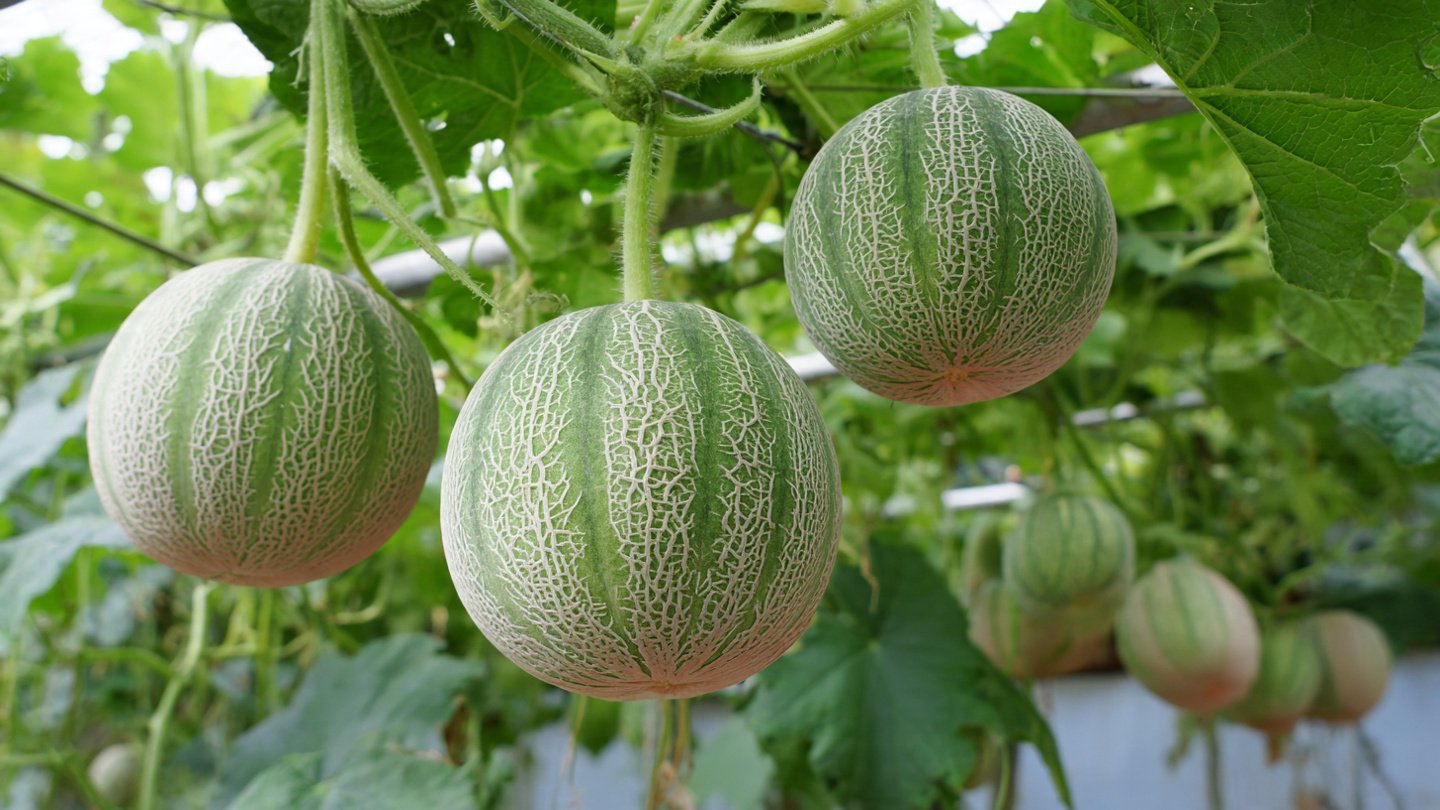
Melons (Cucumis melo) are one of the most refreshing and rewarding fruits to grow at home. Their sweet, juicy flesh and fragrant aroma make them a favorite among gardeners and food enthusiasts. Traditionally, melons are grown in large garden plots, but with a few simple techniques, you can cultivate high-yield, sweet melons even in small spaces using plastic containers. This method is perfect for beginners, apartment dwellers, and anyone with limited outdoor space. Growing melons in containers not only makes them manageable but also allows better control over soil, watering, and sunlight, ensuring healthy plants and bountiful fruit. This comprehensive guide will take you step-by-step through growing melons successfully in plastic containers.
Understanding Melon Growth
Melons are warm-season crops that require ample sunlight, water, and nutrients to thrive. They grow as trailing vines and develop large leaves, flowers, and fruit along the vines. Container-grown melons are slightly different from field-grown plants. Since roots are confined, you must optimize soil quality, container size, and care practices to ensure healthy growth and sweet, high-yielding fruit.
The benefits of container melon cultivation include:
- Space efficiency: Perfect for patios, balconies, or small gardens.
- Soil control: Prevents soil-borne diseases and ensures nutrient availability.
- Pest management: Easier to monitor for insects and fungal infections.
- Mobility: Containers can be moved to optimize sunlight or protect from extreme weather.
By understanding melon growth habits, beginners can plan container setups that maximize productivity.
Selecting the Right Melon Variety
Choosing the right melon variety is crucial for container gardening success. Some varieties are better suited for limited space and container growth.
Recommended varieties for containers:
- Sugar Baby: A small watermelon variety that thrives in pots and produces sweet, 8–10 pound fruits.
- Minnesota Midget: Compact, high-yielding melon suitable for small containers.
- Honeydew or cantaloupe dwarfs: Varieties with shorter vines and smaller fruits are ideal for container cultivation.
Tips for selection:
- Opt for dwarf or bush varieties with compact vines.
- Choose fast-maturing varieties for quicker harvests.
- Select disease-resistant varieties for healthier plants.
The right variety sets the foundation for high-yield and sweet fruit, ensuring container growth is both productive and manageable.
Choosing Plastic Containers
The container is one of the most important aspects of growing melons. It must provide enough space for roots while allowing proper drainage.
Container specifications:
- Minimum size: 12–18 inches in diameter for smaller varieties; larger containers for bigger melons.
- Depth: At least 12 inches to accommodate root growth.
- Material: Plastic containers are lightweight, retain moisture well, and are easy to move.
Drainage:
- Ensure the container has multiple drainage holes to prevent waterlogging.
- Elevate containers slightly using bricks or pot stands for improved drainage.
Proper container choice ensures healthy root development, prevents root rot, and supports high fruit yields.
Preparing the Soil
Melons require fertile, well-draining soil for vigorous growth. A suitable soil mix for container melons should include:
- Potting soil: Forms the base for container planting.
- Compost: Provides organic nutrients for healthy vines and fruits.
- Perlite or sand: Improves aeration and drainage.
- Fertilizer: Balanced slow-release fertilizers (NPK 10-10-10) support overall growth.
Soil pH: Melons prefer slightly acidic to neutral soil (pH 6.0–7.0). Adjust soil using lime to raise pH or sulfur to lower it if necessary.
A nutrient-rich, well-draining soil mix ensures the vines grow vigorously and produce sweet, juicy fruits.
Sowing Melon Seeds in Containers
Starting melons from seeds is simple and cost-effective.
Step-by-step sowing:
- Fill the container with prepared soil, leaving 1–2 inches at the top.
- Plant 2–3 seeds per container, about ½ inch deep.
- Water gently to moisten the soil without washing seeds away.
- Cover lightly with soil and maintain warmth and moisture for germination.
Germination:
- Seeds sprout in 5–10 days under optimal conditions.
- Thin seedlings to the strongest plant per container once the first true leaves appear.
Starting with strong seedlings ensures healthy growth and prepares plants for high yields.
Providing Adequate Sunlight
Melons are sun-loving plants that require at least 6–8 hours of direct sunlight daily.
Indoor sunlight management:
- Place containers near a south-facing window for maximum light.
- Rotate containers periodically to ensure even vine growth.
Artificial lighting:
- If sunlight is insufficient, supplement with LED grow lights.
- Use full-spectrum lights for 12–14 hours daily.
Adequate sunlight promotes photosynthesis, flower production, and fruit sweetness.
Watering and Moisture Control
Watering is critical for container-grown melons. Too little water stresses the plant, while too much water can cause root rot.
Watering guidelines:
- Maintain consistently moist soil, especially during flowering and fruiting.
- Water deeply to encourage root growth but allow the top inch of soil to dry between watering.
- Use self-watering containers or drip irrigation for consistent moisture.
Mulching:
- Apply organic mulch around the base of vines to retain moisture, regulate temperature, and reduce weed growth.
Proper watering ensures juicy, sweet fruits and prevents common melon problems such as bitterness or poor development.
Fertilization for High Yield
Container-grown melons rely on nutrients supplied in the soil, so fertilization is essential.
Fertilization steps:
- Apply balanced liquid fertilizer every 2 weeks during vegetative growth.
- Switch to a phosphorus- and potassium-rich fertilizer when flowers appear to support fruit development.
- Organic options like compost tea, fish emulsion, or seaweed extract can enhance growth naturally.
Consistent and appropriate fertilization encourages healthy leaves, abundant flowers, and large, sweet fruits.
Supporting Vines and Training
Melon vines are trailing plants and benefit from support in containers to prevent damage and maximize space.
Support techniques:
- Use trellises or cages to train vines upward.
- Tie stems gently with soft string to prevent breaking.
- Prune lateral shoots if they overcrowd the container.
Proper vine support increases airflow, reduces pest pressure, and improves sunlight exposure for all leaves and fruits.
Pollination and Fruit Set
Melons produce separate male and female flowers, so pollination is key for fruit production.
Pollination tips:
- Outdoors: Bees and insects naturally pollinate flowers.
- Indoors: Use a small brush or cotton swab to transfer pollen from male to female flowers manually.
Adequate pollination ensures maximum fruit set, leading to higher yield and uniform fruit development.
Harvesting Sweet Melons
Melons are ready to harvest when they reach full size, develop a sweet aroma, and the skin color changes depending on the variety.
Harvesting tips:
- Twist or cut fruit carefully to avoid damaging the vine.
- Harvest regularly to encourage new flowers and continuous fruit production.
- Avoid leaving overripe melons on the vine to prevent nutrient diversion from other fruits.
Proper harvesting ensures the best flavor and supports successive crops in container-grown melons.
Advantages of Growing Melons in Plastic Containers
- Space-saving: Perfect for small balconies, patios, or apartments.
- Soil control: Prevents contamination and allows customized nutrient management.
- Mobility: Containers can be moved for optimal sunlight or weather protection.
- Higher yields: Controlled conditions and careful management promote abundant fruiting.
- Ease of harvest: Fruits are easily accessible without bending or climbing.
Container gardening makes melon cultivation accessible and efficient, even for beginners.
Common Mistakes to Avoid
- Using containers that are too small, restricting root growth.
- Overcrowding seeds, leading to weak seedlings.
- Insufficient sunlight, resulting in poor growth and bitter fruit.
- Overwatering, causing root rot and reduced fruit quality.
- Neglecting pollination, leading to low fruit set.
Avoiding these mistakes ensures healthy, high-yield melon plants in containers.
Conclusion
Growing melons in plastic containers is a beginner-friendly and highly rewarding gardening technique. By selecting dwarf or compact varieties, preparing nutrient-rich soil, providing adequate sunlight, water, and support, and carefully managing fertilization and pollination, anyone can cultivate sweet, high-yield melons in limited spaces.
Container-grown melons offer convenience, control, and productivity, making them suitable for apartments, small gardens, and urban environments. With consistent care and attention, you can enjoy multiple harvests of juicy, flavorful melons throughout the season, transforming even a small balcony or patio into a productive mini-melon orchard.
This simple yet effective approach allows beginners to experience the magic of growing melons at home, producing sweet, abundant fruits without the need for a large garden plot