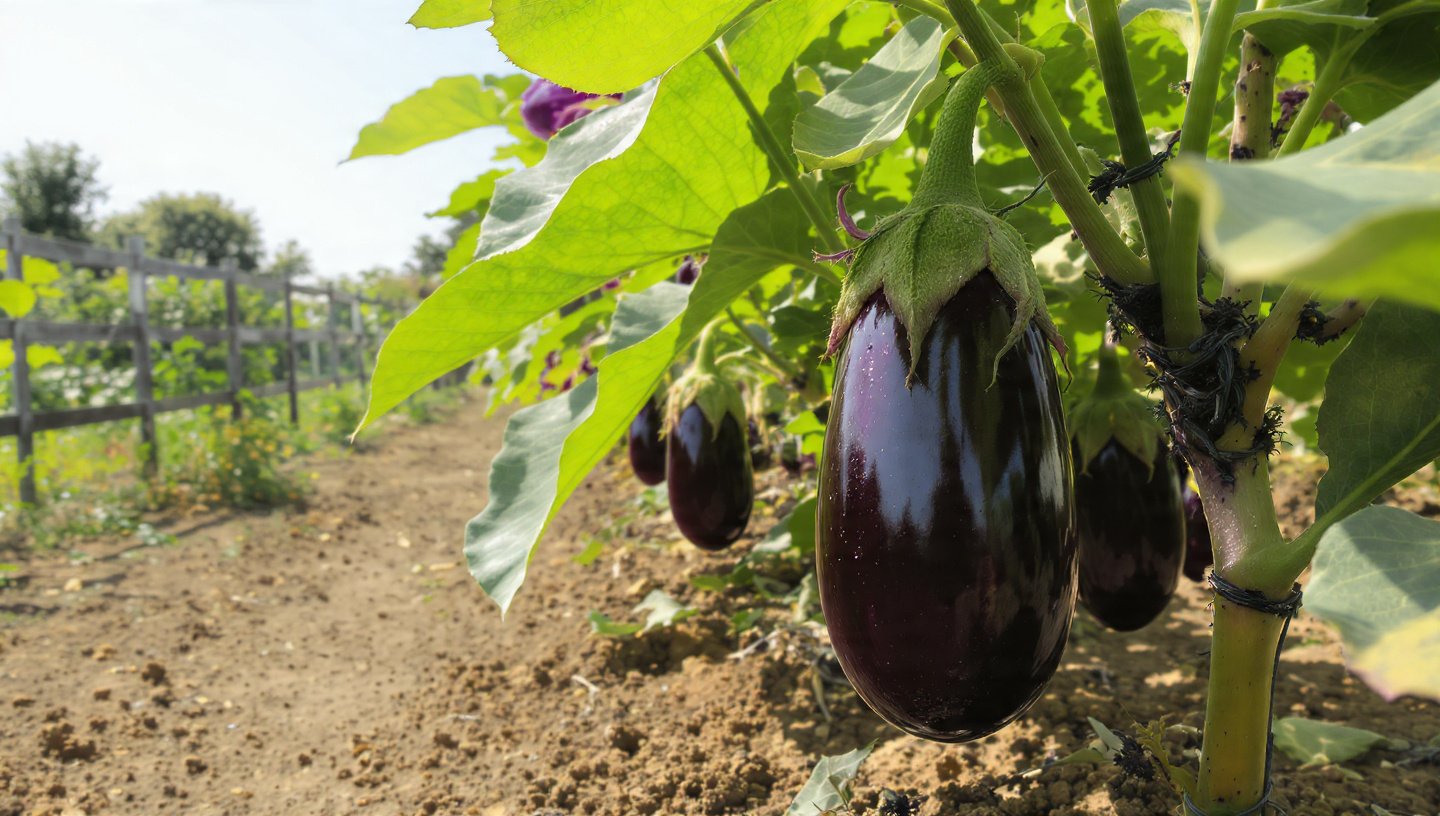
Eggplant, also known as aubergine or brinjal, is a versatile and nutritious vegetable cherished in cuisines worldwide. From Mediterranean moussaka to Indian curries, its glossy purple fruits are both delicious and visually appealing. However, many home gardeners struggle with low yields or small fruits, leaving them wondering how to maximize production. The secret lies not just in planting but in understanding the plant’s growth habits, nutritional needs, and strategic care practices. With the right approach, you can grow eggplants that produce more fruit than you ever imagined, filling your garden and kitchen with an abundant harvest. This comprehensive guide provides a step-by-step roadmap to achieving prolific eggplant production.
Choosing the Right Variety
The first step toward a high-yield eggplant harvest is selecting the appropriate variety. Eggplants come in several types, including globe, Japanese, Italian, and miniature or baby eggplants. Each has distinct characteristics:
- Globe Eggplants: Large, round fruits ideal for slicing and stuffing.
- Japanese and Italian Varieties: Elongated fruits with thinner skin, perfect for grilling or frying.
- Miniature Varieties: Smaller, quicker-maturing fruits that are perfect for container gardening.
For maximum yield, choose varieties known for prolific fruiting and disease resistance. Local nurseries often recommend cultivars suited to your climate, which can greatly influence productivity. Selecting a variety that matches your growing conditions sets the stage for abundant fruiting.
Seed Preparation and Germination
High-yield eggplant cultivation begins with healthy seeds. Eggplants prefer warm soil for germination, ideally between 75°F and 85°F (24°C–29°C). Start seeds indoors 8–10 weeks before the last expected frost. For better germination:
- Soak Seeds: Soak seeds in lukewarm water for a few hours to soften the seed coat.
- Use Seedling Trays: Plant seeds ¼ to ½ inch deep in seed-starting mix that drains well.
- Maintain Warmth: Place trays in a warm location or use a heat mat to maintain consistent temperature.
- Moisture: Keep the soil lightly moist but not soggy, preventing rot while encouraging root growth.
Seeds typically sprout in 7–14 days. Once seedlings develop two to four true leaves, they are ready for transplanting. Healthy seedlings are more vigorous and produce more flowers and fruits once planted outdoors.
Preparing the Soil
Eggplants are heavy feeders, meaning they require nutrient-rich soil to produce abundant fruits. Preparing the soil correctly is key to maximizing yield:
- Soil Type: Eggplants prefer loamy, well-draining soil with a pH of 6.0–6.8.
- Organic Matter: Incorporate compost, well-rotted manure, or vermicompost to improve fertility and soil structure.
- Fertilization: Mix a balanced fertilizer high in phosphorus and potassium to promote flowering and fruiting. Nitrogen is also important but should be moderate to avoid excessive leaf growth at the expense of flowers.
Raised beds or large containers are excellent for controlling soil quality and drainage, ensuring the roots have the best possible environment to thrive. Healthy roots directly translate to bigger, more numerous fruits.
Sunlight and Temperature
Eggplants are sun-loving plants that require at least six to eight hours of direct sunlight daily. Adequate sunlight ensures photosynthesis occurs efficiently, producing energy to support multiple flowers and developing fruits.
Temperature also plays a critical role. Eggplants grow best in warm conditions with daytime temperatures between 70°F and 85°F (21°C–29°C). Nights should ideally remain above 60°F (16°C). Cooler temperatures can slow flowering and reduce fruit set, while extremely high heat may cause flowers to drop. For regions with fluctuating temperatures, using row covers, shade cloths, or greenhouse conditions can stabilize the environment and improve productivity.
Spacing and Planting
Proper spacing maximizes airflow, reduces disease risk, and ensures each plant has enough room to develop multiple branches and flowers. Eggplants should be spaced 18–24 inches apart, with rows 30–36 inches apart in the garden. For container planting, select pots that are at least 12 inches wide and deep to accommodate root growth.
Transplant seedlings carefully to avoid disturbing the roots. Plant them slightly deeper than they were in the seed tray, which encourages a stronger root system. Mulching around the base of the plant helps retain soil moisture, suppress weeds, and regulate soil temperature, all of which contribute to higher yields.
Pruning for Maximum Fruiting
Pruning eggplants is a proven technique to increase fruit production. Removing excess leaves and lateral shoots helps the plant focus energy on producing flowers and fruit rather than excessive foliage. Key pruning tips include:
- Early Pinching: Pinch off the first few flowers to encourage lateral branching and stronger plant growth.
- Remove Suckers: Eliminate small shoots that grow from the leaf axils, especially those below the first main flower cluster.
- Trim Lower Leaves: Remove leaves that touch the soil to prevent disease and improve airflow.
Pruning keeps plants healthy, encourages larger fruits, and increases overall yield. Combined with proper support, it creates strong, upright plants capable of bearing heavy fruit loads.
Supporting the Plant
As eggplants develop, their fruit-laden branches may bend or break under the weight. Providing support prevents damage and ensures continued fruit production:
- Stake or Cage: Insert bamboo stakes or tomato cages around each plant.
- Tie Gently: Use soft ties to secure branches without damaging stems.
- Adjust Regularly: As fruits grow, reposition ties to support heavier branches.
Strong, supported plants produce more fruit consistently and prevent losses caused by fallen or broken branches.
Pollination Tips
Eggplants are primarily self-pollinating, but pollination can be enhanced to increase fruit set:
- Attract Pollinators: Bees, butterflies, and other insects improve pollination and fruit yield. Plant flowers nearby to attract pollinators.
- Hand Pollination: Gently tap or shake flowers or use a soft brush to transfer pollen from anthers to stigma. This technique is especially useful in greenhouse conditions or areas with low insect activity.
Effective pollination ensures that more flowers develop into fully formed fruits, significantly boosting total harvest.
Fertilization and Watering
Consistent care during flowering and fruiting is essential for high yields:
- Fertilization: Side-dress plants with a balanced fertilizer or compost every 3–4 weeks. High-phosphorus fertilizers encourage flowering and fruit development, while potassium supports overall plant vigor.
- Watering: Keep soil evenly moist but avoid waterlogging. Deep, regular watering supports root health and fruit growth. Drip irrigation or soaker hoses help maintain consistent moisture levels.
A combination of proper fertilization and water management ensures steady growth, large fruits, and extended production throughout the season.
Pest and Disease Management
Healthy eggplants produce more fruits, but pests and diseases can drastically reduce yield. Common issues include:
- Aphids and Whiteflies: Spray with neem oil or insecticidal soap.
- Flea Beetles: Use floating row covers to protect seedlings.
- Verticillium Wilt and Root Rot: Ensure well-draining soil and rotate crops annually.
- Spider Mites: Keep foliage clean and increase humidity around plants.
Early detection and management prevent losses and allow the plant to focus energy on producing fruits instead of battling stress.
Harvesting for Continuous Production
Harvest timing is crucial for maximizing yield. Pick eggplants when they reach the desired size and glossy skin. Regular harvesting encourages the plant to produce additional flowers and fruits rather than focusing energy on ripening existing fruits. Avoid leaving overripe fruits on the plant, as this can signal the plant to slow down flowering. By harvesting consistently, gardeners can enjoy a prolonged and bountiful eggplant season.
Companion Planting
Planting eggplants alongside compatible companions enhances growth and yield. Some beneficial companions include:
- Basil: Repels pests like aphids and improves flavor.
- Marigolds: Deter nematodes and other soil pests.
- Beans: Fix nitrogen in the soil, boosting fertility for heavy-feeding eggplants.
Strategic companion planting improves plant health, reduces pest problems, and increases overall productivity.
Conclusion
With the right techniques, eggplants can be transformed from modest-yield plants into prolific fruit producers. Selecting high-yield varieties, starting seeds carefully, preparing nutrient-rich soil, ensuring adequate sunlight, pruning strategically, providing support, and managing water and fertilization are all key to achieving abundant harvests. Enhancing pollination, preventing pests and diseases, and harvesting regularly ensure that your eggplants produce consistently throughout the growing season.
By following this comprehensive approach, gardeners can enjoy more fruits than they ever imagined, whether growing in garden beds, raised containers, or patios. These methods allow eggplants to thrive, producing larger, healthier fruits that are perfect for cooking, preserving, or sharing with family and friends. With careful planning and simple care techniques, your eggplant harvest can be both abundant and rewarding, turning any garden into a productive, flavorful oasis.