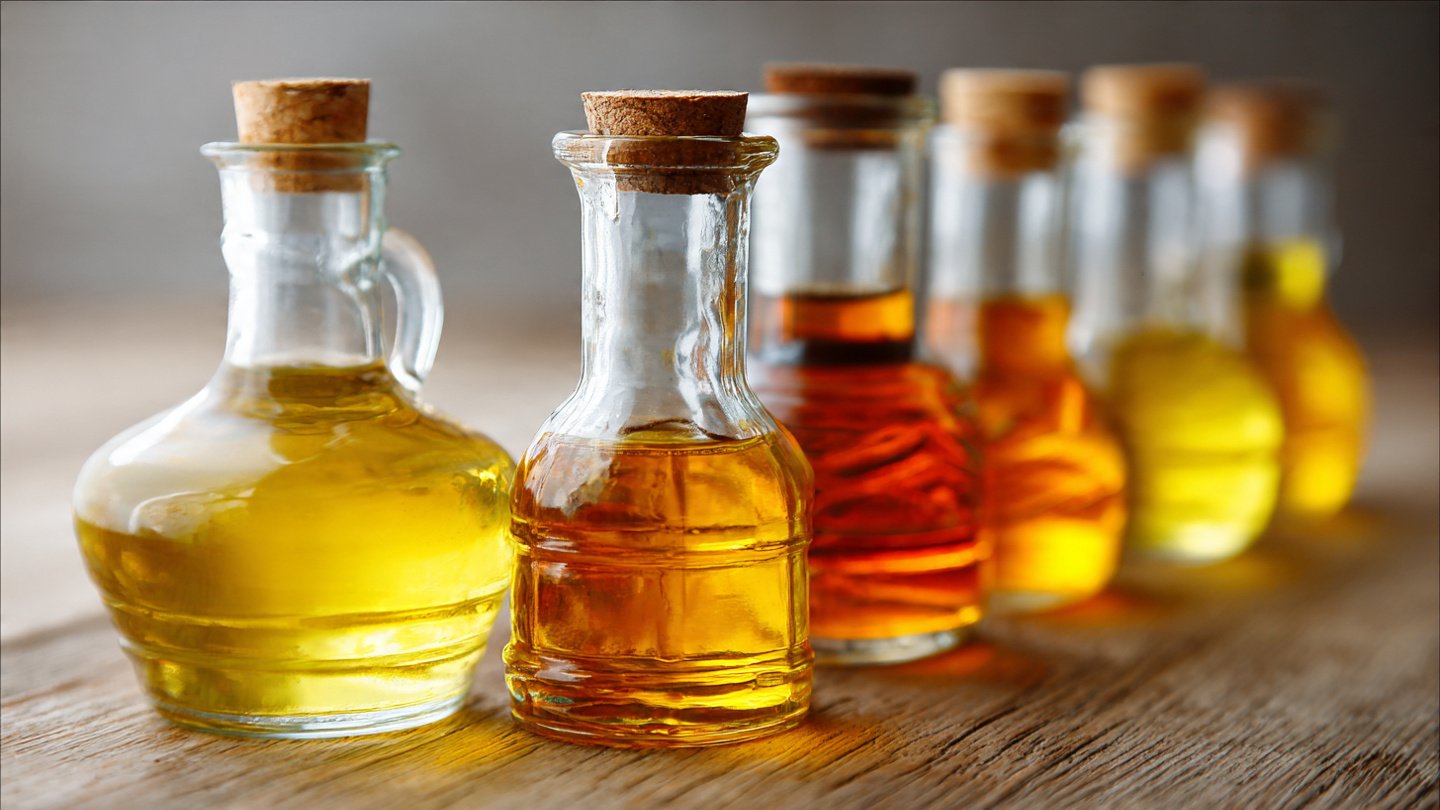
Cooking oil is a staple in kitchens worldwide, used for frying, sautéing, baking, and salad dressings. While many focus on the flavor and type of oil, understanding how heat affects its shelf life and safety is critical. Improper handling and repeated heating can reduce oil quality, produce harmful compounds, and pose health risks. This guide examines the effects of heat on cooking oil, factors influencing its stability, and practical strategies to ensure safe usage.
Understanding Cooking Oil Composition
Cooking oils are primarily composed of triglycerides, molecules made from glycerol and fatty acids. The type of fatty acids in an oil—saturated, monounsaturated, or polyunsaturated—affects its stability under heat.
- Saturated Fats: Found in coconut oil, palm oil, and butter, these fats are highly stable and resistant to heat.
- Monounsaturated Fats: Olive oil and canola oil are examples. They are moderately stable and suitable for medium-heat cooking.
- Polyunsaturated Fats: Sunflower, soybean, and corn oils contain multiple double bonds, making them highly prone to oxidation and breakdown when exposed to heat.
In addition to fatty acids, oils may contain minor components such as antioxidants, vitamins, and phytochemicals, which can protect against oxidation but degrade with heat.
How Heat Affects Cooking Oil
Heat accelerates chemical reactions in cooking oil, leading to deterioration over time. The main effects include:
- Oxidation: Oxygen reacts with unsaturated fatty acids, forming peroxides and free radicals. Oxidation alters flavor, smell, and nutritional value.
- Polymerization: Repeated heating causes triglycerides to form larger molecules, increasing viscosity and producing sticky residues.
- Hydrolysis: Water from food interacts with oil at high temperatures, breaking down triglycerides into free fatty acids, which can increase acidity and bitterness.
- Thermal Decomposition: Extreme heat breaks down fatty acids, generating aldehydes, ketones, and other potentially toxic compounds.
The combined effect of these reactions reduces the oil’s shelf life and can create harmful substances.
Signs of Oil Degradation
Recognizing degraded oil is essential for safety and culinary quality. Common indicators include:
- Color Change: Fresh oil is typically light or golden. Darkening indicates oxidation or repeated heating.
- Rancid Odor: A sharp, unpleasant smell is a sign of rancidity caused by oxidation.
- Foaming or Smoke: Excessive foaming during heating or smoke at lower-than-usual temperatures indicates breakdown.
- Viscosity Changes: Thick, sticky oil results from polymerization and should not be reused.
Using degraded oil can reduce the nutritional value of food and increase exposure to harmful compounds.
Health Risks Associated with Heat-Damaged Oil
Consuming overheated or repeatedly used oil can have adverse health effects:
- Aldehyde Formation: Thermal decomposition produces aldehydes, which are linked to inflammation and oxidative stress in the body.
- Trans Fat Production: High heat can partially hydrogenate unsaturated fats, forming trans fats associated with heart disease.
- Acrolein Formation: When oil overheats and begins to smoke, acrolein—a toxic, irritating compound—is generated, which can affect lungs and the digestive system.
- Free Radicals: Oxidized oils contain free radicals that can damage cells and contribute to chronic diseases.
Minimizing exposure to heat-damaged oil is key for maintaining both flavor and safety.
Factors Affecting Oil Stability Under Heat
Several factors influence how cooking oil responds to heat:
- Smoke Point: The temperature at which oil begins to smoke. Oils with higher smoke points (e.g., avocado oil, refined peanut oil) tolerate heat better than low smoke point oils (e.g., unrefined flaxseed oil).
- Refinement Level: Refined oils contain fewer impurities, making them more stable under heat. Unrefined oils retain nutrients but are more sensitive to high temperatures.
- Fatty Acid Composition: Oils with higher polyunsaturated fat content degrade faster than those with more saturated or monounsaturated fats.
- Exposure Duration: Prolonged heating accelerates oxidation, polymerization, and thermal decomposition.
- Repeated Use: Reusing oil multiple times dramatically reduces stability and increases toxic byproducts.
Understanding these factors helps select the appropriate oil for specific cooking methods and ensures safety.
Tips for Extending Oil Shelf Life
Proper handling before, during, and after cooking can extend oil shelf life:
- Store Properly: Keep oils in airtight, opaque containers away from heat, light, and moisture. Light and oxygen accelerate oxidation.
- Use Appropriate Oils: Select oils with higher smoke points for frying and high-heat cooking. Reserve delicate oils like extra-virgin olive oil for salad dressings or low-heat sautéing.
- Avoid Contamination: Prevent food particles from entering the oil, as they can decompose and accelerate spoilage.
- Cool Before Storage: Allow oil to cool before sealing and storing, reducing condensation that may promote hydrolysis.
By following these practices, oil can maintain quality and nutritional value for longer periods.
Safe Practices for Reusing Cooking Oil
Reusing cooking oil is common in many kitchens, but safety measures are essential:
- Limit Reuse: Avoid more than 2–3 uses for deep frying, especially for oils high in polyunsaturated fats.
- Strain Residues: Filter oil through a fine mesh or cheesecloth to remove food particles before reuse.
- Monitor Smoke Point: Discard oil if it smokes at lower temperatures or has darkened noticeably.
- Store Properly Between Uses: Keep strained oil in airtight containers in a cool, dark place.
Following these guidelines reduces the formation of toxic compounds and maintains safety during repeated use.
Cooking Methods and Oil Safety
Different cooking methods affect oil stability differently:
- Deep Frying: Requires high heat for extended periods, which accelerates oxidation and polymerization. Use high smoke point oils and avoid prolonged frying.
- Sautéing: Moderate heat and short cooking times reduce degradation. Oils like olive oil or canola oil are suitable.
- Baking: Lower temperatures preserve oil quality, making most vegetable oils safe.
- Cold Uses: Salad dressings and dips do not require heating, preserving nutrients and flavor.
Choosing the right oil for the cooking method ensures both safety and optimal taste.
Recognizing When to Discard Oil
For health and culinary safety, discard oil when any of the following occur:
- Persistent rancid odor
- Dark brown or black color
- Excessive foaming or smoke at low temperatures
- Thick, sticky consistency due to polymerization
- Unpleasant taste during cooking
Proper disposal is essential; pour used oil into a container and recycle where possible, rather than pouring it down drains, which can clog plumbing and harm the environment.
Conclusion
Heat significantly impacts the shelf life and safety of cooking oil. High temperatures accelerate chemical reactions such as oxidation, hydrolysis, polymerization, and thermal decomposition, reducing oil quality and producing potentially harmful compounds. Understanding factors like smoke point, fatty acid composition, refinement, and exposure duration helps in selecting the right oil for cooking and maintaining safety.
To protect both flavor and health, store oils properly, avoid excessive heating, limit reuse, and monitor for signs of degradation. Choosing oils with appropriate smoke points for the cooking method, handling them carefully, and discarding degraded oil ensures safe and nutritious meals. By following these guidelines, you can extend the shelf life of cooking oils and prevent the formation of harmful compounds, keeping your kitchen both efficient and safe.