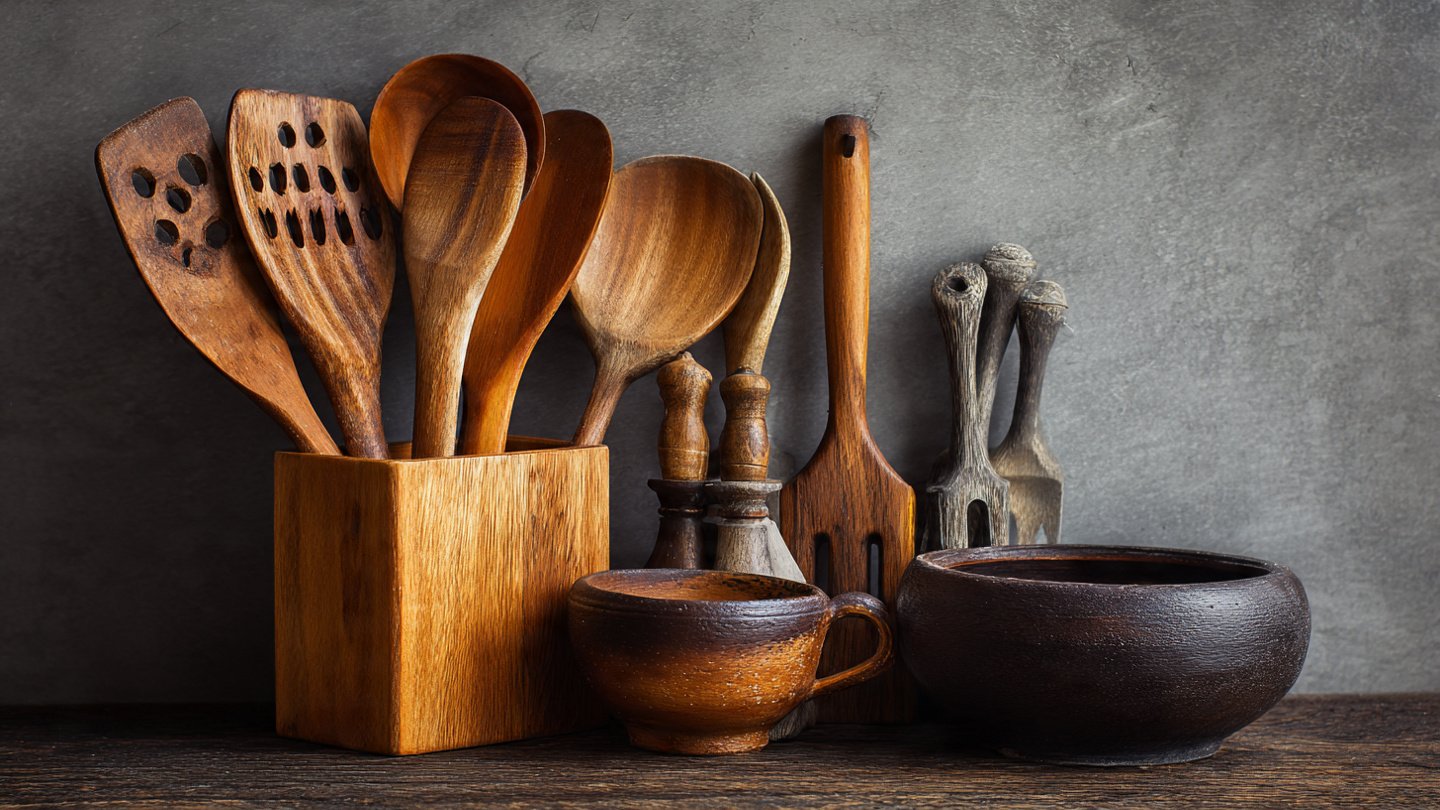
The kitchen is the heart of the home, a place where meals are prepared, families gather, and culinary creativity comes to life. However, one of the most overlooked hazards in the kitchen is moisture. While water is essential for cooking and cleaning, prolonged exposure to moisture on cooking utensils and surfaces can have significant consequences for kitchen hygiene, utensil longevity, and even human health. Understanding these effects and adopting proper care practices is crucial for maintaining a safe and efficient kitchen.
How Moisture Accumulates on Utensils
Moisture in the kitchen comes from multiple sources: washing, cooking, condensation, and food preparation. While occasional contact with water is unavoidable, prolonged or repeated exposure—especially when utensils are not dried properly—can lead to various problems.
- Dishwashing Residue: Utensils left in sinks or on drying racks without proper airflow may retain water.
- Condensation: Steam from boiling, simmering, or baking can settle on nearby utensils.
- Improper Storage: Utensils stored in closed cabinets without ventilation may trap residual moisture.
- Surface Wetness: Cutting boards, knives, and other tools left damp can harbor water for extended periods.
These conditions create an environment conducive to microbial growth, corrosion, and deterioration.
Microbial Growth and Contamination
One of the most immediate concerns with prolonged moisture is microbial proliferation. Bacteria, mold, and fungi thrive in damp conditions, turning kitchen utensils and surfaces into potential sources of contamination.
- Bacterial Growth: Moist utensils, particularly those that contact raw foods like meat or vegetables, can harbor bacteria such as E. coli, Salmonella, or Listeria. These microorganisms multiply rapidly in moist conditions, increasing the risk of foodborne illness.
- Mold and Fungi: Wooden utensils and cutting boards are especially vulnerable. Mold can develop in cracks and pores where moisture lingers, leading to both spoilage and unpleasant odors.
- Cross-Contamination: When damp utensils are used repeatedly without proper drying, pathogens can transfer from one food item to another, spreading contamination across dishes and ingredients.
Maintaining dry utensils is therefore essential for preventing microbial growth and ensuring food safety.
Corrosion and Material Degradation
Prolonged moisture affects different materials in distinct ways, compromising their structural integrity and longevity:
1. Metal Utensils
Stainless steel, aluminum, copper, and iron utensils are commonly used in kitchens. Moisture can have the following effects:
- Rust Formation: Iron and non-stainless steel utensils develop rust when exposed to water for extended periods. Rust weakens the metal, creates pitting, and can flake off into food.
- Staining and Discoloration: Aluminum and copper may develop water spots or tarnishing, affecting appearance and possibly performance.
- Structural Damage: Over time, repeated exposure to moisture can cause corrosion, reducing durability and increasing the risk of breakage.
Even stainless steel, while more resistant, is not immune. Scratches or damaged coatings can become sites for moisture-induced corrosion.
2. Wooden Utensils
Wooden spoons, spatulas, and cutting boards are prized for their aesthetic appeal and gentle contact with cookware. Yet they are highly susceptible to moisture:
- Warping and Cracking: Absorption of water causes expansion, and repeated wetting and drying cycles can lead to warping or cracking.
- Bacterial Retention: Moisture trapped in pores or small cracks encourages microbial growth.
- Splintering: Prolonged dampness weakens the fibers of the wood, making splinters more likely.
Proper drying and occasional oiling can mitigate these risks.
3. Plastic and Silicone Utensils
Plastic and silicone are generally resistant to rust and mold, but prolonged moisture can still cause problems:
- Bacterial Residue: Microbes can thrive in scratches or textured surfaces if water is trapped.
- Deformation: Hot water or extended wet storage can warp some plastic utensils.
- Odor Retention: Moist environments can encourage unpleasant smells, especially on low-quality plastic.
Even resilient materials require attention to drying and storage practices.
Impact on Kitchen Hygiene
Moisture-related deterioration of utensils has broader consequences for kitchen hygiene:
- Compromised Cleaning Efficiency: Rusty or warped utensils are harder to clean thoroughly, harboring bacteria in crevices.
- Food Safety Risks: Pathogens that survive on damp utensils can contaminate meals, potentially causing illness.
- Cross-Surface Contamination: Moist utensils in contact with cutting boards, counters, or other tools can transfer bacteria across surfaces.
- Odor Problems: Persistent dampness leads to musty odors in utensils, cabinets, or storage areas, reducing overall kitchen cleanliness.
Ensuring that utensils are dry and properly maintained is critical for maintaining hygienic kitchen conditions.
Best Practices for Preventing Moisture Damage
To avoid the negative effects of prolonged moisture, adopt consistent practices in washing, drying, and storing utensils:
1. Thorough Washing and Rinsing
Proper cleaning removes food particles, grease, and residual bacteria:
- Use hot, soapy water or a dishwasher to clean utensils immediately after use.
- Rinse thoroughly to remove soap residues that may trap moisture or encourage microbial growth.
- Pay attention to cracks, grooves, or handles where water can accumulate.
2. Effective Drying
Drying is as important as cleaning:
- Air Drying: Use drying racks that allow air circulation around each utensil. Avoid stacking items when wet.
- Towel Drying: For wooden or metal utensils prone to rust or warping, hand drying with a clean cloth is recommended.
- Avoid Closed Storage: Do not store damp utensils in closed cabinets or containers, as trapped moisture encourages mold and corrosion.
3. Proper Storage
Organized storage prevents prolonged exposure to moisture:
- Store wooden utensils upright in dry containers.
- Use utensil holders or drawer dividers to separate items for airflow.
- Keep metal utensils away from prolonged contact with water or damp surfaces.
- Consider silica packets or moisture absorbers in drawers prone to humidity.
4. Periodic Maintenance
Routine maintenance extends the life of utensils:
- Wooden Utensils: Apply food-safe mineral oil periodically to prevent cracking and absorb excess moisture.
- Metal Utensils: Inspect for rust or pitting and treat with appropriate cleaners or polishing agents.
- Plastic and Silicone: Replace worn or scratched items to avoid bacterial buildup.
5. Monitoring Kitchen Humidity
High humidity can exacerbate moisture problems:
- Use exhaust fans or ventilation while cooking to reduce steam accumulation.
- Keep windows or vents open when possible.
- Monitor indoor humidity levels, especially in areas prone to dampness.
Additional Considerations
Prolonged moisture can also affect cookware and appliances:
- Cast iron pans left wet can rust quickly. Seasoning may be lost.
- Pressure cookers, blenders, or other kitchen equipment with removable parts can retain water in crevices, promoting microbial growth.
- Damp cloths, sponges, and dish towels are major sources of bacterial proliferation if not dried properly.
Attention to moisture management across all kitchen tools is necessary for holistic hygiene.
Conclusion
Prolonged moisture on cooking utensils is more than an inconvenience; it poses serious risks to both kitchen hygiene and the longevity of kitchen tools. Moist environments encourage bacterial and mold growth, accelerate corrosion and warping, and compromise food safety. Metal, wood, and plastic utensils each have unique vulnerabilities to prolonged dampness, highlighting the importance of tailored care.
Maintaining a clean, dry, and organized kitchen through effective washing, thorough drying, proper storage, and regular maintenance is essential. Monitoring humidity, applying preventive measures, and understanding material-specific risks ensures that utensils remain safe, functional, and long-lasting. By addressing moisture proactively, homeowners can safeguard both their health and investment in kitchen tools, transforming the kitchen into a space that is hygienic, efficient, and pleasant to use every day.