Cleaning is a task that almost everyone faces, yet it is often approached in ways that make it more time-consuming, stressful, and inefficient than necessary. Many people focus on buying the latest cleaning gadgets, products, or following fragmented routines, believing that more effort or better tools will automatically lead to better results. However, the secret to truly effortless cleaning does not lie in the products themselves—it lies in a simple, often overlooked rule that transforms how we approach cleaning entirely. This principle is all about planning, prioritization, and workflow optimization, and it can turn hours of scrubbing into a task that feels manageable and even satisfying.
Understanding Cleaning Efficiency
Before diving into the overlooked rule, it’s important to define what cleaning efficiency really means. Efficiency is not simply about doing chores faster; it’s about maximizing results while minimizing wasted time and effort. Many people equate efficiency with speed, but speed alone does not guarantee cleanliness. True efficiency involves method, order, and consistent habits that prevent mess from accumulating in the first place.
Efficient cleaning also reduces stress. When we approach cleaning with a scattered or haphazard mindset, it can feel overwhelming, leaving us frustrated or avoiding the task altogether. Conversely, efficiency provides clarity and control, turning cleaning into a systematic, almost automatic process rather than a draining obligation.
The Overlooked Rule: Clean from Top to Bottom
The single most overlooked rule for cleaning efficiency is surprisingly simple: always clean from top to bottom and from dry to wet. While this concept may seem basic, failing to apply it is the root cause of most cleaning inefficiencies.
Why Top-to-Bottom Matters
Cleaning from top to bottom ensures that dirt, dust, and debris naturally fall downward, allowing you to capture it on subsequent surfaces rather than re-cleaning areas. For example:
- Dusting shelves before vacuuming or sweeping allows fallen dust to land on the floor, which is then removed during the floor-cleaning step.
- Wiping countertops before sweeping the floor ensures that crumbs and spills are not left behind.
By adhering to this simple order, every movement contributes toward progress rather than creating more work.
Why Dry-to-Wet Is Crucial
Cleaning from dry to wet complements the top-to-bottom principle. Begin with dry cleaning tasks such as dusting, sweeping, or removing loose debris. Then move on to wet cleaning tasks like mopping, scrubbing, or wiping surfaces with liquid cleaners.
This order prevents creating muddy streaks or moving dirt around unnecessarily. For example, dusting a bookshelf after mopping would undo your effort, as any loosened dust could settle back onto the cleaned surface. The combination of top-to-bottom and dry-to-wet creates a logical workflow that reduces repeated effort and frustration.
Breaking Down the Rule into Practical Steps
Implementing this rule effectively requires a structured approach. Here’s a step-by-step guide for effortless cleaning efficiency:
- Declutter First
Before any cleaning begins, remove items from surfaces. Clutter obstructs your cleaning path and often traps dust or grime. By decluttering first, you create clear surfaces that are easier and faster to clean. - Start with High Surfaces
Begin cleaning high surfaces like shelves, cabinets, ceiling fans, light fixtures, and window sills. Dust and debris from these surfaces will naturally fall, which you will clean later when moving down. - Dust Furniture and Fixtures
Once high surfaces are done, dust furniture, countertops, and other mid-level surfaces. Wipe with microfiber cloths to trap dust rather than pushing it around. Microfiber cloths are especially efficient because they attract and hold particles without chemicals. - Tackle Floors Last
Floors should always be cleaned last, whether sweeping, vacuuming, or mopping. By cleaning the floor after all other surfaces, you remove debris that has fallen during previous cleaning steps. - Apply Wet Cleaning Strategically
Use water, detergents, or disinfectants only after dust and loose debris are removed. This ensures that surfaces are truly clean and that you are not spreading dirt around. - Maintain a Consistent Path
Work in sections and avoid random movement. Start from one corner of a room and progress logically toward the exit. This reduces repeated steps and helps you finish more quickly.
Benefits of Following the Overlooked Rule
Implementing the top-to-bottom, dry-to-wet cleaning principle has numerous benefits:
- Time Savings: You avoid redundant cleaning and wasted effort, completing chores faster without sacrificing quality.
- Better Results: Surfaces remain genuinely clean because dirt is removed systematically, rather than temporarily displaced.
- Reduced Frustration: Cleaning becomes a structured, almost predictable task, reducing overwhelm.
- Less Fatigue: Systematic workflows reduce unnecessary bending, reaching, or repeated actions, preserving energy.
- Prevention of Cross-Contamination: For kitchens and bathrooms, starting from high surfaces prevents germs or dirt from spreading to cleaned areas.
Tools That Complement the Rule
While the rule itself is simple, certain tools make applying it even easier:
- Microfiber Cloths: Perfect for dusting surfaces without spreading debris.
- Extendable Dusters: Allow you to reach high corners, ceiling fans, or light fixtures efficiently.
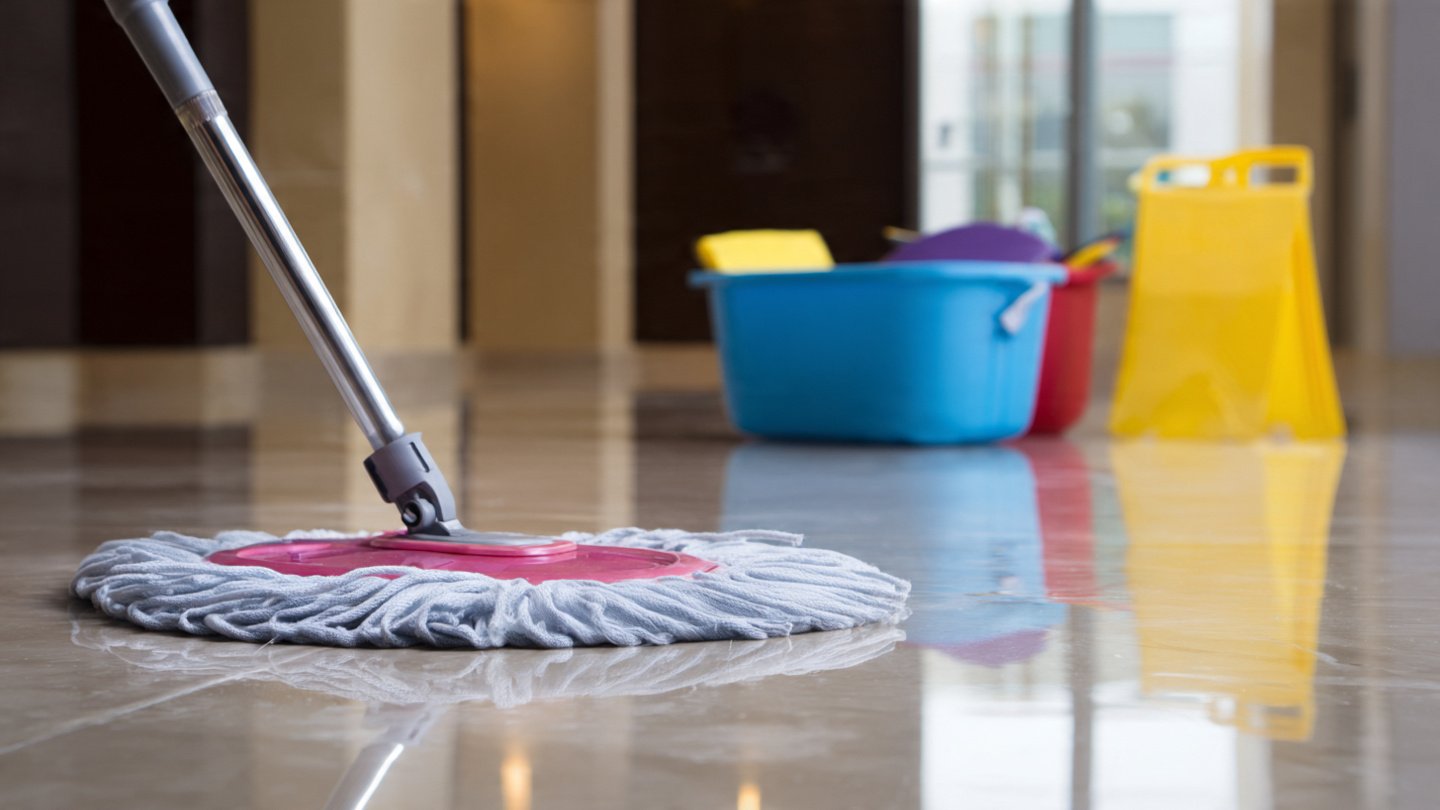
- Broom, Vacuum, and Mop: Essential for cleaning debris that has fallen during top-to-bottom cleaning.
- Spray Bottles and Buckets: Useful for wet cleaning tasks when combined with the proper cleaning solutions.
Using these tools in the correct order amplifies efficiency, making cleaning less of a chore and more of a streamlined routine.
Incorporating Habits for Long-Term Efficiency
Effortless cleaning is not just about one session—it’s about cultivating habits that maintain a consistently clean environment. Consider integrating these practices:
- Daily Quick Touch-Ups: A five-minute daily routine can prevent dirt from accumulating, reducing the need for long, exhausting cleaning sessions.
- Weekly Systematic Cleaning: Plan a weekly schedule where each room is cleaned using the top-to-bottom, dry-to-wet principle.
- Keep Cleaning Supplies Handy: Store cleaning tools in easily accessible locations so that you can address messes immediately.
- Declutter Regularly: Less clutter means fewer obstacles and faster cleaning over time.
- Set a Logical Cleaning Path: Map out rooms and follow a consistent pattern to avoid retracing steps.
Overcoming Common Cleaning Mistakes
Many people unknowingly sabotage their cleaning efficiency. Here are some common mistakes and how the overlooked rule addresses them:
- Mistake 1: Random Cleaning – Cleaning surfaces in no particular order often means re-cleaning areas. Following a structured workflow prevents this.
- Mistake 2: Using Wet Cleaning Too Early – Wiping surfaces with water or detergent before dusting spreads dirt rather than removing it. Dry-to-wet avoids this issue.
- Mistake 3: Ignoring High Surfaces – Failing to start from top surfaces results in debris falling onto newly cleaned areas. Top-to-bottom ensures completeness.
- Mistake 4: Multi-Tasking Inefficiently – Switching between unrelated tasks wastes time and energy. Staying focused on one room or one cleaning type at a time enhances productivity.
Real-Life Applications
Applying this rule is versatile and can be adapted to any environment:
- Home Cleaning: Kitchens, bathrooms, living rooms, and bedrooms benefit from top-to-bottom efficiency.
- Office Spaces: Desks, shelves, and communal areas can be cleaned faster without disturbing already cleaned surfaces.
- Commercial Cleaning: Restaurants, schools, and retail spaces save labor costs and improve hygiene by adopting systematic workflows.
The principle is universal because it prioritizes logic over luck, transforming cleaning into a skill rather than a series of random chores.
Final Thoughts
The overlooked rule for effortless cleaning efficiency—cleaning from top to bottom and from dry to wet—may seem deceptively simple, but its impact is profound. By rethinking the order and methodology of cleaning, anyone can drastically reduce effort, save time, and achieve superior results. Efficiency is not about working harder or buying expensive tools; it is about working smarter and respecting the natural flow of debris, dust, and dirt.
By internalizing this principle and combining it with proper tools, planning, and consistent habits, cleaning becomes less of a burdensome chore and more of a streamlined, even satisfying task. Ultimately, the overlooked rule is a small change with a big payoff: less stress, better hygiene, and more time to enjoy the clean spaces you worked so efficiently to create.
Adopting this principle will not only transform how you clean but will also instill a mindset of organization and strategic thinking that extends beyond cleaning into other areas of life. Once you experience the ease and satisfaction of efficient cleaning, it becomes impossible to go back to random, haphazard methods.