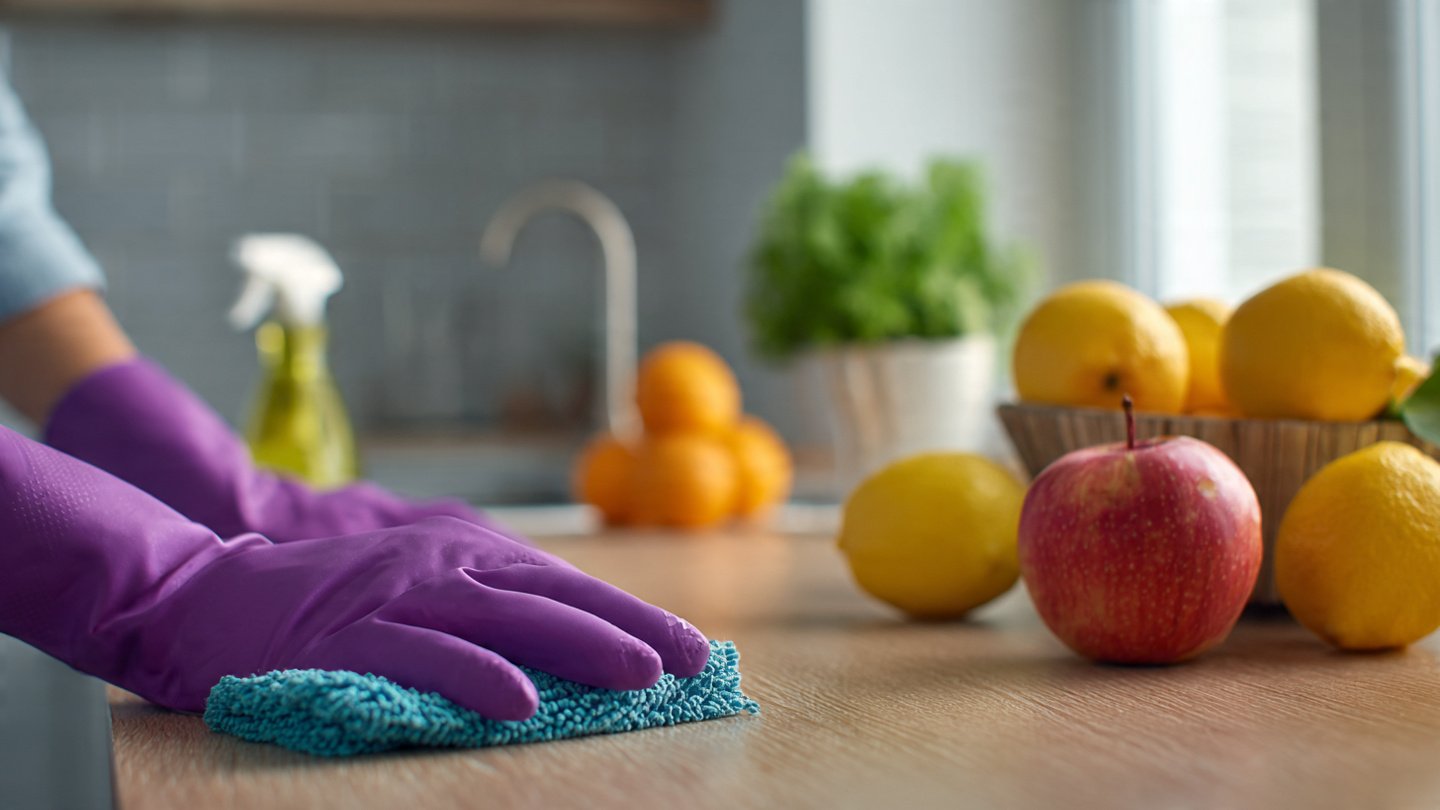
A sparkling kitchen with a fresh, clean scent often gives the impression of safety and hygiene. Many people assume that if a kitchen smells clean, it must be free of germs and bacteria. However, appearances and fragrances can be misleading. Kitchens can harbor a surprising array of harmful microorganisms even when they appear spotless and smell fresh. Understanding why this happens and how to identify and eliminate hidden germs is essential for maintaining a truly safe cooking environment.
The Illusion of Cleanliness
One of the reasons kitchens can be deceptively contaminated is that cleaning for appearance does not necessarily mean sanitization. Wiping down surfaces with a scented spray or soap removes visible dirt but may leave behind bacteria or viruses that thrive in microscopic crevices. The human eye cannot detect germs, and scent alone is an unreliable indicator of hygiene. A kitchen may smell fresh because of air fresheners, lemon-scented cleaners, or detergent residues, masking the presence of harmful microorganisms on cutting boards, countertops, and appliances.
Studies have shown that common kitchen surfaces can harbor dangerous bacteria such as Salmonella, E. coli, and Listeria, even when there is no visible grime. These pathogens can survive for hours, days, or even weeks, depending on the environment and surface type, posing risks to anyone who consumes contaminated food.
Common Sources of Hidden Germs
Several factors contribute to bacterial presence in kitchens, even when they appear clean:
- Cutting Boards – Wooden and plastic cutting boards are prime spots for bacterial growth. Raw meat, poultry, and fish leave microscopic residues that can seep into grooves and cuts, providing an ideal environment for pathogens. Even if the board is rinsed, bacteria can survive if it is not thoroughly sanitized.
- Sponges and Dishcloths – Sponges and cloths are constantly damp and used repeatedly, making them breeding grounds for bacteria. They can harbor millions of germs per square inch, including E. coli and Salmonella, which can transfer to surfaces and utensils during cleaning.
- Kitchen Sinks – Sinks and drains are often overlooked during cleaning. Food particles accumulate in crevices, creating ideal conditions for bacteria to multiply. Drains and faucets can spread microbes to hands, dishes, and countertops.
- Appliances – Refrigerators, microwaves, and toasters can also harbor bacteria. Condensation in refrigerators or leftover crumbs in toasters can support microbial growth. Touchpoints such as handles, buttons, and knobs may transfer bacteria to hands, even if the appliance looks clean.
- Produce – Fruits and vegetables carry their own microbial load from soil, water, or handling during transport. Washing alone may not remove all bacteria, especially if the produce has damaged surfaces or is stored improperly.
Why Scent Doesn’t Equal Safety
Many cleaning products are designed to leave a pleasant fragrance, creating the illusion of a germ-free environment. While these products may remove surface dirt, they often do not kill bacteria unless they contain disinfectants specifically formulated for that purpose. Additionally, air fresheners, essential oils, or scented sprays only mask odors without affecting microbial populations.
This misconception can lead to complacency in kitchen hygiene. Home cooks may rely on the smell of cleanliness rather than proper cleaning protocols, inadvertently allowing bacteria to persist and contaminate food.
Health Risks from Hidden Kitchen Germs
Hidden bacteria in kitchens pose serious health risks. Foodborne illnesses can result from consuming contaminated food, and some pathogens are particularly dangerous for children, the elderly, and individuals with weakened immune systems. Common risks include:
- Salmonella – Often found on raw meat, poultry, eggs, and unwashed produce. Infections can cause diarrhea, fever, and abdominal cramps.
- E. coli – Can be present in raw meats, unpasteurized dairy, and contaminated vegetables. Certain strains can lead to severe gastrointestinal illness or kidney complications.
- Listeria – Frequently found in refrigerated foods like soft cheeses, deli meats, and prepackaged salads. Infection can be especially dangerous for pregnant women and newborns.
- Norovirus – A highly contagious virus that can spread via contaminated surfaces, hands, or food.
Even if a kitchen appears spotless and smells fresh, the risk of cross-contamination is real. This highlights the importance of proper hygiene practices beyond surface cleaning.
Effective Practices to Eliminate Hidden Germs
To reduce microbial presence and maintain a truly safe kitchen, it is essential to go beyond appearance and scent. Key practices include:
- Sanitize Cutting Boards – After each use, wash boards with hot, soapy water and disinfect with a solution of 1 tablespoon of bleach per gallon of water or vinegar for a natural alternative. Consider using separate boards for raw meat and produce to prevent cross-contamination.
- Replace or Disinfect Sponges and Cloths Regularly – Microwave damp sponges for one to two minutes to kill bacteria, or run them through the dishwasher on a high-heat cycle. Replace dishcloths daily or wash them in hot water with detergent.
- Clean Sinks and Drains Thoroughly – Scrub sinks with disinfecting solutions and regularly flush drains with hot water. Use a brush to reach hidden crevices where food particles accumulate.
- Disinfect High-Touch Surfaces – Appliance handles, knobs, and buttons should be wiped with disinfecting wipes or sprays after each use. Stainless steel and plastic surfaces respond well to diluted bleach or commercial disinfectants.
- Properly Wash Produce – Rinse fruits and vegetables under running water and scrub firm produce with a brush. Avoid using soap, which can leave residues that are unsafe to ingest. For leafy greens, separate leaves and rinse individually.
- Temperature Control – Refrigerators should be maintained at 40°F (4°C) or below to slow bacterial growth. Freezers should be kept at 0°F (-18°C). Avoid leaving perishable foods at room temperature for extended periods.
- Hand Hygiene – Wash hands with soap and warm water for at least 20 seconds before and after handling food, especially raw meat, eggs, or produce. Hand hygiene is one of the most effective ways to prevent the transfer of germs.
Debunking Myths About “Natural” Cleaners
Some people assume that natural cleaners, such as lemon juice, vinegar, or essential oils, are sufficient to eliminate bacteria. While these solutions may have some antimicrobial properties, they are generally less effective than commercial disinfectants. Relying solely on natural scents or cleaners may leave harmful bacteria behind, giving a false sense of security.
It is important to distinguish between cleaning, which removes dirt and food debris, and sanitizing, which kills germs. A combination of both approaches is necessary for a kitchen that is not only clean in appearance but also safe for food preparation.
Practical Kitchen Hygiene Tips for Daily Life
In addition to regular cleaning and sanitizing, consider incorporating these practical habits:
- Use separate utensils for raw and cooked foods to prevent cross-contamination.
- Keep trash bins covered and empty them frequently to avoid bacterial buildup.
- Dry surfaces with clean cloths or disposable paper towels instead of leaving them damp, as moisture encourages bacterial growth.
- Store leftovers in airtight containers and label them with dates to prevent spoilage.
These small, consistent habits significantly reduce the likelihood of hidden germs taking hold in your kitchen.
Conclusion
A clean-smelling kitchen does not guarantee a germ-free environment. While pleasant scents and spotless surfaces create the illusion of hygiene, bacteria and pathogens can persist on cutting boards, sponges, sinks, appliances, and even fresh produce. These hidden germs pose real risks, including foodborne illness and contamination of prepared meals.
True kitchen hygiene requires a combination of cleaning, sanitizing, proper food handling, and vigilant maintenance. Replacing or disinfecting sponges, using separate cutting boards, washing hands, controlling temperature, and carefully cleaning high-touch surfaces are all critical steps in reducing microbial presence.
By understanding the limitations of appearances and fragrances, home cooks can take proactive measures to ensure a genuinely safe kitchen environment. A focus on practical hygiene practices, rather than relying on the smell of freshness alone, protects both health and peace of mind. Ultimately, a truly clean kitchen is not just one that looks and smells tidy—it is one that is free from hidden germs, bacteria, and potential hazards, safeguarding the food you prepare and the people you serve.