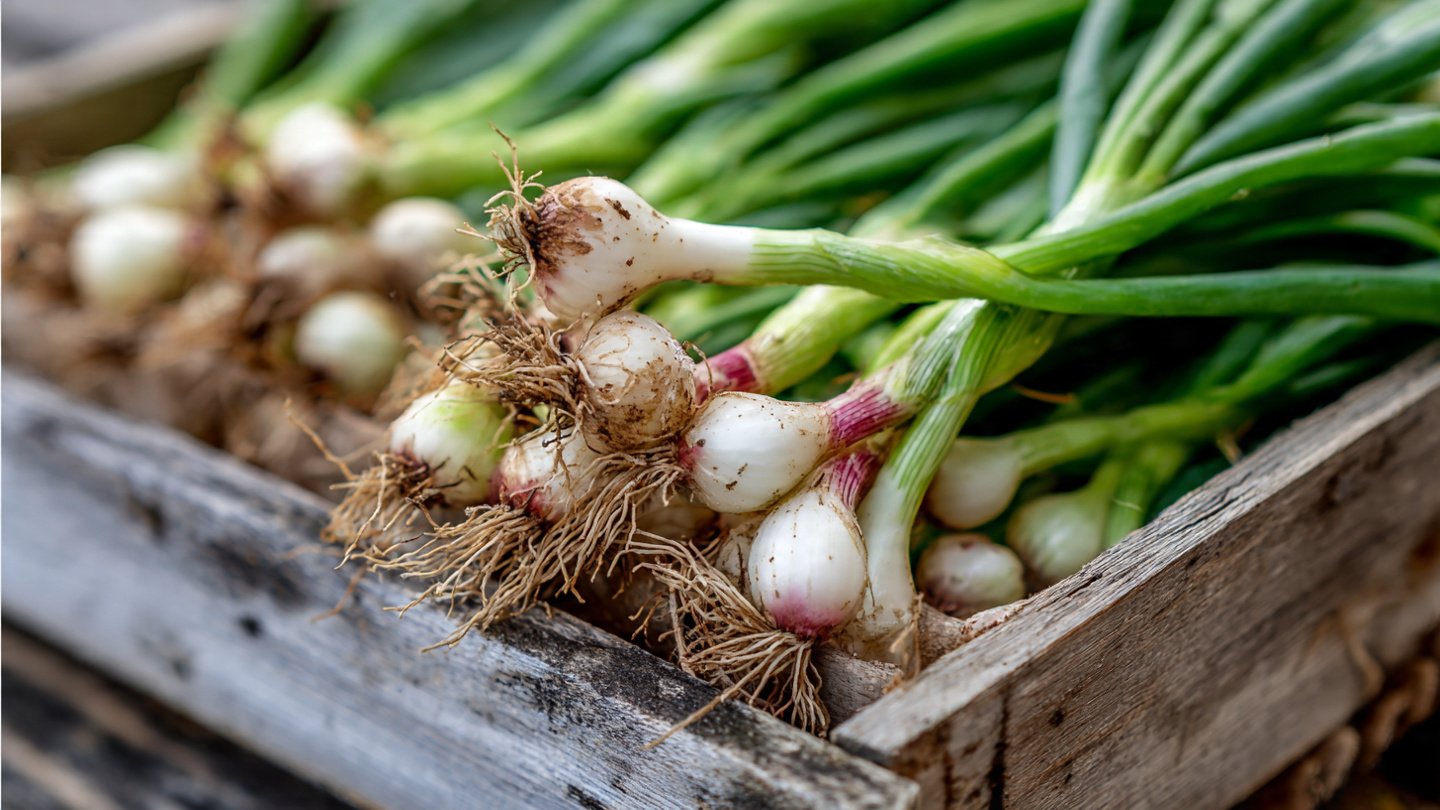
Green onions, also known as scallions or spring onions, are one of the easiest and most rewarding plants to grow at home. With minimal effort, limited space, and basic supplies, you can enjoy a continuous supply of fresh, flavorful green onions right from your kitchen or garden. Whether you live in an apartment with a sunny windowsill or have a backyard garden, green onions adapt easily and grow quickly, making them perfect for beginners and experienced gardeners alike. This guide explains simple, practical tips anyone can follow to grow green onions effortlessly and harvest them again and again.
Why Green Onions Are Perfect for Home Growing
Green onions are unique because they grow rapidly and regenerate after harvesting. Unlike many vegetables that require months of care, green onions can be harvested within weeks and often regrow from the same roots. They do not need deep soil, complex fertilizers, or advanced gardening skills. Their shallow root system allows them to thrive in small pots, recycled containers, or even glasses of water.
Another advantage is versatility. Green onions can be used fresh in salads, soups, stir-fries, omelets, and garnishes. Growing them at home ensures you always have fresh greens available while reducing grocery costs and food waste. Instead of throwing away onion scraps, you can turn them into a renewable food source.
Choosing the Right Green Onions
You can grow green onions from seeds, seedlings, or kitchen scraps. Each method has its benefits, but using store-bought green onions is the easiest and fastest option.
When purchasing green onions from the store, look for firm white bulbs with healthy roots still attached. The green stalks should be vibrant and not wilted or slimy. Even slightly droopy greens can regrow if the roots are healthy, but stronger plants will establish faster.
If you prefer growing from seeds, choose varieties labeled as scallions or bunching onions. These types do not form large bulbs and are ideal for repeated leaf harvests.
Growing Green Onions in Water
One of the simplest methods for growing green onions is using water alone. This method is ideal for beginners, children, or anyone short on space.
To start, cut the green onion about one inch above the white bulb, leaving the roots intact. Place the root end in a small glass or jar with enough water to cover the roots but not fully submerge the bulb. Set the container on a sunny windowsill where it receives several hours of light each day.
Change the water every two to three days to prevent odor and bacterial growth. Within a few days, you will notice new green shoots emerging from the center. These shoots can be harvested repeatedly by trimming the greens as needed. While water-grown onions grow quickly, they may lose vigor over time. For long-term harvesting, transferring them to soil is recommended.
Growing Green Onions in Soil
Soil-grown green onions tend to be stronger, thicker, and more flavorful than those grown in water alone. They also provide more consistent regrowth.
Choose a pot that is at least six inches deep with drainage holes. Green onions do not require wide containers, but they appreciate space to grow in clusters. Use a light, well-draining potting mix enriched with compost or organic matter.
Plant the root ends about one inch deep, spacing them one to two inches apart. Gently press the soil around the roots and water thoroughly. Place the pot in a location that receives at least four to six hours of sunlight per day. A sunny windowsill, balcony, or patio works well.
Light Requirements for Healthy Growth
Green onions thrive in bright light. Insufficient light results in thin, pale, and weak growth. For indoor growing, place pots near south- or west-facing windows. If natural light is limited, supplemental grow lights can help maintain strong, upright leaves.
Rotate pots every few days to ensure even light exposure and prevent leaning. Outdoors, green onions prefer full sun to partial shade. In very hot climates, some afternoon shade can prevent stress and drying.
Watering Made Simple
Consistent moisture is key to healthy green onion growth. The soil should remain evenly moist but never waterlogged. Overwatering can lead to root rot, while underwatering causes slow growth and wilting.
Check soil moisture by inserting your finger about an inch deep. If the soil feels dry, water thoroughly until excess drains from the bottom of the pot. For outdoor plants, watering frequency depends on weather conditions, but most containers require watering every two to three days during warm weather.
Mulching the soil surface with straw or compost helps retain moisture and reduce evaporation, especially in outdoor containers.
Feeding for Continuous Harvests
Green onions are light feeders, but occasional fertilization improves growth and flavor. Every three to four weeks, apply a diluted liquid fertilizer or compost tea to replenish nutrients. Organic fertilizers are ideal, as they provide gentle nourishment without burning the roots.
Avoid over-fertilizing, especially with high-nitrogen products, which can cause overly soft growth. Balanced nutrition encourages steady, healthy leaf production suitable for repeated harvesting.
Harvesting Without Stopping Growth
Harvesting green onions correctly is the secret to endless regrowth. Instead of pulling the entire plant out, cut the leaves about one to two inches above the soil line. This allows the plant to regenerate from the base.
You can begin harvesting when the leaves reach six to eight inches tall. Use clean scissors or garden shears to prevent damage. Regular harvesting actually stimulates new growth, making the plant more productive over time.
For thicker stalks, allow plants to grow slightly longer between harvests. Always leave some green growth behind so the plant can continue photosynthesis.
Managing Pests and Problems
Green onions are relatively pest-resistant, especially when grown indoors. Outdoors, occasional pests such as aphids or thrips may appear. These can usually be managed by rinsing leaves with water or applying mild insecticidal soap.
Yellowing leaves often indicate overwatering or nutrient deficiency. Adjust watering practices and consider light feeding if growth slows. Slimy roots or foul smells signal root rot, which requires better drainage and reduced watering.
Extending the Growing Season Indoors and Outdoors
One of the greatest advantages of green onions is their adaptability across seasons. Indoors, they can be grown year-round with proper light. Outdoors, they grow best in cool to moderate temperatures and tolerate light frost.
During colder months, bring outdoor pots inside to continue harvesting. If grown in garden beds, applying mulch helps protect roots from temperature fluctuations and extends the growing season.
Regrowing from Kitchen Scraps Again and Again
One of the most satisfying aspects of growing green onions is regrowing them from scraps repeatedly. Even after several harvest cycles, you can refresh your supply by replanting new root ends. This practice reduces food waste and reinforces sustainable living habits.
Using kitchen scraps also makes green onion growing accessible to everyone, regardless of gardening experience or budget. It transforms everyday cooking leftovers into productive plants.
Benefits Beyond the Kitchen
Growing green onions at home offers more than fresh ingredients. Gardening reduces stress, encourages mindful routines, and fosters a deeper connection to food sources. For children, growing green onions provides an easy introduction to plant care and responsibility.
Environmentally, home-grown green onions reduce packaging waste, transportation emissions, and reliance on store-bought produce. Even small-scale growing contributes to a more sustainable lifestyle.
Conclusion
Growing green onions at home truly is effortless when you understand their basic needs. With simple containers, minimal care, and a bit of sunlight, anyone can enjoy endless harvests of fresh, flavorful greens. Whether grown in water on a windowsill or in soil on a balcony, green onions reward consistency with rapid regrowth and reliability.
By mastering proper watering, light exposure, and harvesting techniques, you can maintain a continuous supply throughout the year. Green onions prove that gardening does not need to be complicated to be productive. With just a little attention and patience, your home can become a source of fresh, nutritious ingredients that elevate everyday meals and bring lasting satisfaction.