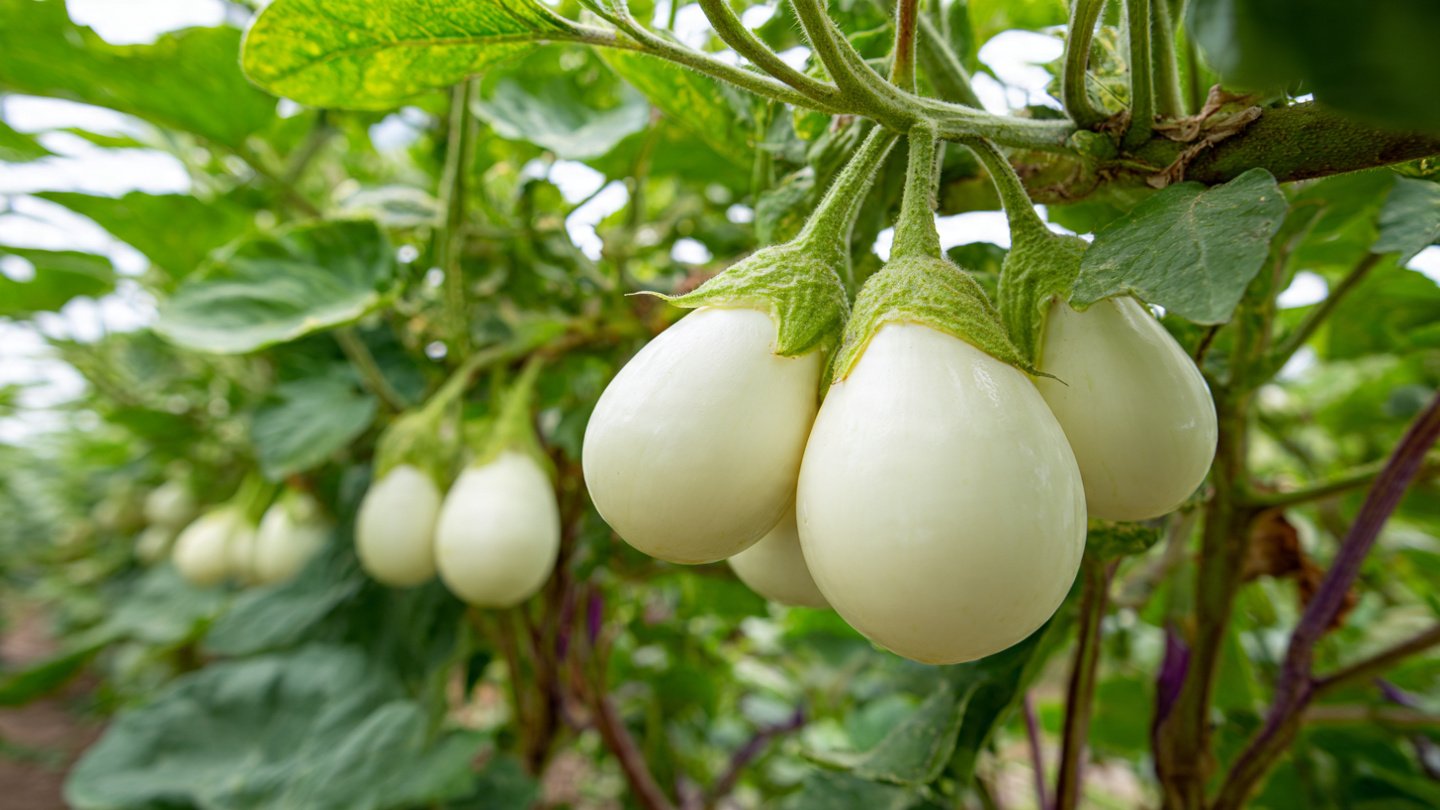
White eggplants, with their smooth, glossy skin and delicate flavor, have become increasingly popular among gardeners and chefs alike. Unlike the traditional purple varieties, white eggplants offer a unique aesthetic appeal and a slightly milder taste, making them ideal for diverse culinary uses. Growing these plants successfully, however, requires careful attention to soil, climate, pruning, and harvesting techniques. With proper care, gardeners can enjoy round, high-yield fruits that are visually striking and nutritionally rich.
Choosing the Right White Eggplant Variety
Selecting the appropriate variety is the first step toward achieving a high-yield harvest. White eggplants come in several types, ranging from small, globe-shaped fruits to long, slender varieties. For gardeners seeking round, high-yield fruits, globe-shaped varieties such as ‘Casper’ or ‘White Beauty’ are ideal. These cultivars are known for their compact growth habit, abundant fruiting, and resistance to common eggplant diseases.
When choosing seeds or seedlings, prioritize healthy plants that are free from pests or fungal infections. Starting with vigorous seedlings ensures a strong foundation for productive growth. Additionally, consider your local climate. White eggplants thrive in warm, frost-free regions with temperatures between 22°C and 30°C.
Preparing the Soil for Maximum Yield
White eggplants grow best in fertile, well-draining soil rich in organic matter. Soil preparation is critical to support both vigorous vegetative growth and abundant fruiting.
- Soil pH: White eggplants prefer slightly acidic to neutral soil, with a pH range of 6.0 to 6.8. Conducting a soil test before planting helps adjust pH levels using lime or sulfur as needed.
- Organic matter: Incorporate compost or well-rotted manure to improve soil structure, water retention, and nutrient availability.
- Drainage: Avoid waterlogged soil, which can cause root rot and fungal diseases. Raised beds or mounds can improve drainage in heavier soils.
Preparing the soil properly sets the stage for strong root development, healthy foliage, and high-yield fruiting.
Starting Seeds and Transplanting
White eggplants are typically grown from seeds indoors before transplanting outdoors.
- Seed germination: Sow seeds in seed trays or small pots filled with a light, well-draining seed-starting mix. Maintain a temperature of 24°C to 28°C for optimal germination. Seeds usually sprout within 7–14 days.
- Seedling care: Once seedlings develop two to four true leaves, transplant them into larger pots for further growth. Provide consistent moisture and adequate light to encourage strong stems and root systems.
- Hardening off: Before planting seedlings outdoors, gradually acclimate them to sunlight and outdoor conditions over 7–10 days. This reduces transplant shock and improves survival rates.
Transplant seedlings when they are 6–8 weeks old and the outdoor temperatures are consistently warm.
Planting and Spacing for High Yields
Proper spacing is essential to allow sunlight penetration, airflow, and nutrient access. For round, high-yield white eggplants:
- Spacing between plants: Maintain 60–75 cm between plants in a row to avoid overcrowding.
- Row spacing: Keep rows at least 90 cm apart to facilitate air circulation and ease of maintenance.
- Support: White eggplants can grow tall and produce heavy fruits. Use stakes or cages to support plants and prevent breakage of branches.
Well-spaced and supported plants are less prone to disease, easier to manage, and capable of producing larger, round fruits.
Fertilization for Vigorous Growth and Fruit Development
White eggplants are nutrient-demanding plants. Proper fertilization encourages healthy foliage, strong stems, and abundant fruit production.
- Pre-planting: Incorporate a balanced fertilizer or compost into the soil to supply essential nutrients.
- Vegetative stage: Apply nitrogen-rich fertilizers to promote leafy growth and sturdy stems.
- Flowering and fruiting stage: Switch to a fertilizer high in phosphorus and potassium to encourage flower formation and fruit enlargement.
- Micronutrients: Ensure adequate calcium, magnesium, and boron levels to prevent blossom-end rot and support overall plant health.
Foliar feeding can also be beneficial during the flowering stage to provide nutrients directly to leaves and flowers, boosting fruit set and size.
Watering Techniques
Consistent watering is vital for white eggplants, particularly during flowering and fruiting. Uneven moisture can result in poor fruit development, smaller fruits, or blossom-end rot.
- Drip irrigation: Provides targeted, consistent water to the root zone while minimizing leaf wetness that can promote fungal diseases.
- Mulching: Organic mulches such as straw or leaves retain soil moisture, regulate temperature, and reduce weed growth.
- Water frequency: Water deeply 2–3 times per week, depending on weather conditions, ensuring soil remains consistently moist but not waterlogged.
Proper irrigation encourages steady growth, larger fruit size, and continuous harvests throughout the season.
Pruning and Training
Pruning white eggplants enhances light penetration, airflow, and fruit quality. Strategic pruning also reduces disease risk and encourages a compact, productive plant structure.
- Removing suckers: Pinch off small shoots at the base of the plant that divert energy from main stems and fruit-bearing branches.
- Tip pruning: Trim growing tips once plants reach desired height to stimulate lateral branching and increase flowering sites.
- Dead or damaged leaves: Remove yellowing or diseased leaves promptly to maintain plant health and prevent pathogen spread.
Training plants using stakes or cages prevents heavy fruits from bending branches and ensures plants remain upright for optimal growth.
Pest and Disease Management
White eggplants are susceptible to pests such as aphids, flea beetles, spider mites, and whiteflies, as well as diseases including bacterial wilt, verticillium wilt, and fungal leaf spots. Effective management includes:
- Regular inspection: Monitor plants daily for early signs of infestation or disease.
- Biological control: Encourage natural predators like ladybugs or lacewings to reduce pest populations.
- Cultural practices: Maintain clean garden beds, rotate crops, and remove infected plant material.
- Organic or chemical treatment: Use neem oil, insecticidal soaps, or approved fungicides as necessary, following recommended guidelines.
Healthy plants free from pests and diseases are better equipped to produce high yields of round, high-quality fruits.
Flowering and Pollination
Successful flowering and pollination directly impact fruit set and yield. White eggplants rely on bees and other pollinators for effective pollination.
- Encourage pollinators: Plant flowering companion plants nearby to attract bees and beneficial insects.
- Hand pollination: In areas with limited pollinators, gently shake flowers or use a small brush to transfer pollen between flowers.
- Temperature management: Avoid extreme heat or cold during flowering, as it can reduce pollen viability and fruit set.
Effective pollination ensures consistent fruit formation, leading to round, uniform fruits and continuous harvests.
Harvesting for Maximum Yield
White eggplants are best harvested when fruits are firm, glossy, and fully grown but before seeds become hard.
- Timing: Harvest regularly, every 2–3 days, to encourage continuous flowering and fruiting.
- Technique: Use a sharp knife or scissors to cut fruits from the plant, leaving a small portion of the stem attached. Avoid pulling fruits, which can damage branches.
- Post-harvest care: Store harvested eggplants in a cool, shaded area to maintain quality and extend shelf life.
Frequent harvesting stimulates the plant to produce new flowers and fruits, ensuring a continuous and high-yield harvest throughout the growing season.
Environmental Considerations
White eggplants thrive in warm, sunny conditions with minimal stress. Maintaining optimal environmental conditions ensures maximum productivity.
- Temperature: Keep daytime temperatures between 22°C and 30°C and nighttime temperatures above 18°C for optimal growth.
- Sunlight: Provide at least 6–8 hours of direct sunlight per day.
- Humidity: Moderate humidity reduces the risk of fungal diseases while supporting healthy leaf development.
- Wind protection: Use windbreaks or barriers to prevent physical damage and reduce water loss from leaves.
Adapting care practices to local environmental conditions maximizes growth potential, fruit size, and yield.
Conclusion
Growing white eggplants successfully requires a combination of careful variety selection, soil preparation, precise nutrient management, consistent watering, strategic pruning, and vigilant pest and disease control. By integrating these practices, gardeners can enjoy round, high-yield fruits with continuous harvests throughout the season.
Focusing on canopy management, pollination, and timely harvesting ensures plants remain productive and healthy. White eggplants not only enhance the visual appeal of a garden but also provide a nutrient-rich addition to the kitchen. With attention to detail and consistent care, gardeners can achieve abundant harvests of glossy, flavorful, and uniformly round white eggplants year after year.