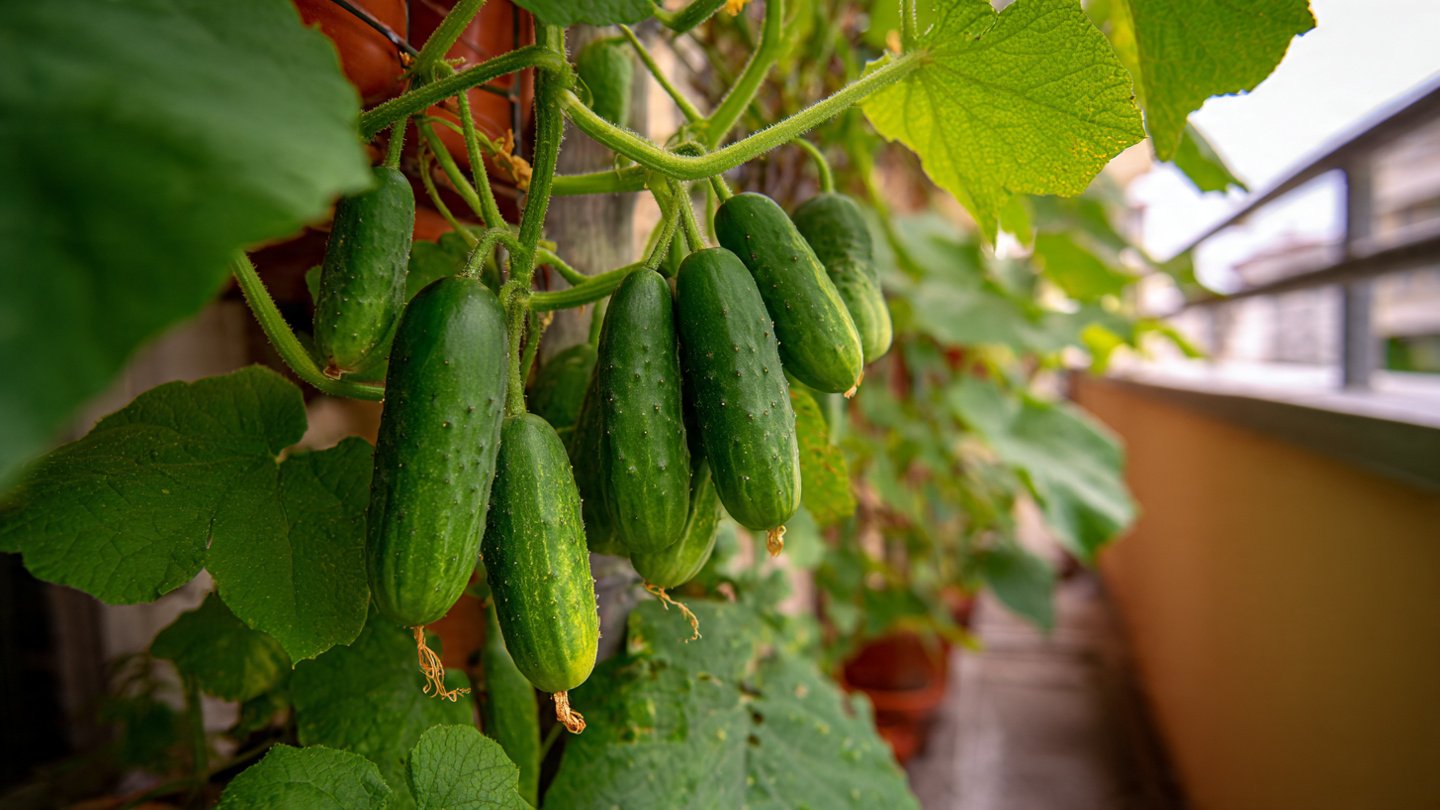
Balconies are often overlooked as potential spaces for growing fresh produce, yet they hold immense untapped potential. With the right approach, you can transform your balcony into a thriving cucumber farm, yielding crisp, flavorful cucumbers all season long. Even in small spaces, the joy of harvesting your own fresh cucumbers is entirely achievable. This article will guide you through the simple, step-by-step method to cultivate a productive cucumber garden on your balcony.
Why Grow Cucumbers on Your Balcony?
Cucumbers are refreshing, versatile, and highly nutritious vegetables that can be used in salads, sandwiches, pickles, and even beverages. Growing them at home ensures that your produce is pesticide-free and fresh, often more flavorful than store-bought options. Additionally, balcony gardening is eco-friendly, reduces your grocery bills, and offers the mental and emotional benefits of connecting with nature. Cucumbers are particularly suitable for container gardening because of their climbing habit and compact growth when trained properly.
Moreover, balcony cucumber gardens are perfect for urban dwellers who may not have access to a backyard. Even a balcony of 4–6 square meters can support several cucumber plants, provided you follow smart cultivation techniques. With vertical supports, proper containers, and consistent care, you can enjoy abundant harvests despite limited space.
Choosing the Right Cucumber Variety
Selecting the right cucumber variety is the first crucial step. Not all cucumbers are suited for container or balcony gardening. For small spaces, choose compact, bush, or trellis varieties that produce fewer sprawling vines. Popular options include:
- Bush Cucumbers – These are naturally compact and ideal for small containers. Varieties like ‘Bush Champion’ or ‘Patio Snacker’ yield high-quality fruit without extensive support.
- Pickling Cucumbers – Smaller varieties, such as ‘Bush Pickle’ or ‘Boston Pickling,’ thrive in containers and provide crunchy cucumbers perfect for pickling.
- Vining Varieties – While traditional vining cucumbers need vertical supports, dwarf vining varieties like ‘Spacemaster’ or ‘Sweet Success’ can flourish on trellises, making them suitable for balcony gardens.
Choose disease-resistant cultivars to reduce the risk of fungal infections, which can be a concern in humid balcony conditions.
Selecting Containers for Balcony Cucumbers
Containers are the foundation of successful balcony gardening. Cucumbers require a good amount of soil for proper root development. Ideal containers should be:
- Size – A minimum of 12 inches (30 cm) in diameter and 12 inches deep per plant.
- Material – Plastic, fabric grow bags, or ceramic pots work well. Fabric bags offer excellent drainage and root aeration.
- Drainage – Ensure containers have adequate drainage holes to prevent waterlogging, which can lead to root rot.
Consider using multiple containers if you want several plants. Grouping them strategically on the balcony can optimize sunlight exposure while maintaining aesthetic appeal.
Choosing the Right Soil Mix
Cucumber plants thrive in fertile, well-draining soil. A nutrient-rich soil mix improves growth and fruit production. You can prepare an ideal potting mix using:
- Compost or well-rotted manure – Provides essential nutrients.
- Coconut coir or peat moss – Retains moisture while ensuring aeration.
- Perlite or vermiculite – Improves drainage and prevents compacted soil.
- Balanced organic fertilizer – Boosts growth and encourages healthy fruits.
The key is maintaining soil that is both moisture-retentive and well-draining. Cucumbers are sensitive to overwatering and poor drainage, so a light, fluffy mix is essential.
Setting Up Vertical Supports
Most cucumber varieties are climbers, and providing vertical support maximizes space utilization. Vertical gardening helps plants grow upward instead of sprawling, which is perfect for balconies. Options include:
- Trellises – Wooden or metal trellises attached to balcony railings support climbing vines.
- Netting or Mesh – Lightweight netting can be secured to walls or railings, providing a structure for tendrils to cling.
- Cages – Tomato-style cages can also work for bush or dwarf varieties.
Vertical supports not only save space but also improve air circulation around the leaves, reducing the risk of fungal infections. Regularly train vines to climb the structure to ensure uniform growth.
Planting Your Cucumbers
Timing and planting technique play a critical role in success. Cucumbers are warm-season plants that grow best when temperatures are consistently above 65°F (18°C). Here’s how to plant them:
- Sow Seeds Indoors – If starting early in the season, sow cucumber seeds in small pots indoors 3–4 weeks before the last frost date.
- Transplant Carefully – When seedlings develop 2–3 true leaves, transplant them into larger balcony containers.
- Spacing – Plant one cucumber per container for bush varieties. For vining types on a trellis, space plants 12–18 inches (30–45 cm) apart to allow room for growth.
Water immediately after transplanting and keep the soil consistently moist. Cucumbers are sensitive to transplant shock, so handle seedlings gently.
Watering and Feeding
Cucumbers are thirsty plants, and consistent watering is vital. The soil should remain evenly moist but not waterlogged. Tips for effective watering include:
- Water in the morning to reduce evaporation and fungal risk.
- Use a drip irrigation system or self-watering pots if possible.
- Avoid wetting the leaves; water at the base of the plant.
Fertilization is equally important. Cucumbers are heavy feeders. Use a balanced liquid fertilizer every two weeks or a slow-release granular fertilizer at planting time. Nutrients like nitrogen support leafy growth, while potassium and phosphorus encourage flowering and fruit development.
Sunlight Requirements
Cucumbers need full sun for optimum growth and fruit production. Ideally, your balcony should receive at least 6–8 hours of direct sunlight daily. If sunlight is limited, consider:
- Placing reflective surfaces behind plants to maximize light exposure.
- Rotating containers periodically to ensure all sides of the plant get sunlight.
If sunlight is minimal, choose cucumber varieties known for shade tolerance or supplement with a grow light to maintain steady growth.
Pollination Techniques
Cucumbers produce male and female flowers, and pollination is necessary for fruit development. In a balcony garden without abundant bees, manual pollination ensures a consistent harvest. Here’s how:
- Use a small paintbrush or cotton swab to transfer pollen from male flowers to female flowers.
- Male flowers are usually found on long stems; female flowers have a small swelling at the base, which develops into the cucumber.
Pollination should be done daily during flowering to maximize fruit set.
Managing Pests and Diseases
Balcony cucumber gardens are not immune to pests or diseases. Common issues include aphids, spider mites, powdery mildew, and downy mildew. Management strategies:
- Inspect plants regularly and remove affected leaves.
- Use neem oil or insecticidal soap to control pests naturally.
- Ensure proper spacing and airflow to prevent fungal infections.
- Avoid overhead watering, which can promote mildew growth.
Healthy soil, proper fertilization, and vigilant care can minimize most common problems.
Harvesting Your Cucumbers
The most rewarding part of balcony cucumber gardening is harvesting. Harvest cucumbers when they are firm, evenly colored, and reach the desired size. Key points:
- Pick cucumbers regularly to encourage continuous production.
- Use a sharp knife or scissors to cut fruits gently without damaging the plant.
- Overripe cucumbers can reduce plant productivity, so timely harvesting is essential.
Most cucumber varieties produce fruit within 50–70 days of planting, and with proper care, your balcony garden can yield multiple harvests throughout the season.
Tips for Maximizing Yield in Small Spaces
Even in limited balcony space, there are ways to boost your cucumber harvest:
- Vertical Layering – Combine trellised cucumbers with other companion plants like herbs in lower containers.
- Succession Planting – Plant new seeds every few weeks to maintain a continuous harvest.
- Pruning – Remove yellow or damaged leaves to focus energy on healthy fruits.
- Companion Planting – Pair cucumbers with basil, marigolds, or nasturtiums to deter pests naturally.
With thoughtful planning, even a small balcony can produce a surprising number of fresh cucumbers.
Conclusion
Transforming your balcony into a cucumber farm is not only possible but also highly rewarding. By choosing the right variety, containers, soil, and providing proper care, you can enjoy a bountiful harvest in a compact urban space. Cucumbers thrive on balconies when given adequate sunlight, consistent watering, vertical support, and attention to pest management. The sense of accomplishment from harvesting fresh, homegrown cucumbers makes every bit of effort worthwhile.
Whether you are an urban gardener, a balcony enthusiast, or a beginner looking to try your hand at container gardening, cucumbers are a perfect starting point. Start small, apply these simple methods, and watch your balcony transform into a lush, productive garden bursting with fresh cucumbers.
By embracing vertical gardening, nutrient-rich soil, and careful care, you can turn limited space into abundant produce. Your balcony can be more than a leisure space—it can be a mini cucumber farm, providing crisp, fresh vegetables throughout the growing season. So grab some pots, select your favorite cucumber variety, and start cultivating your very own balcony farm today.