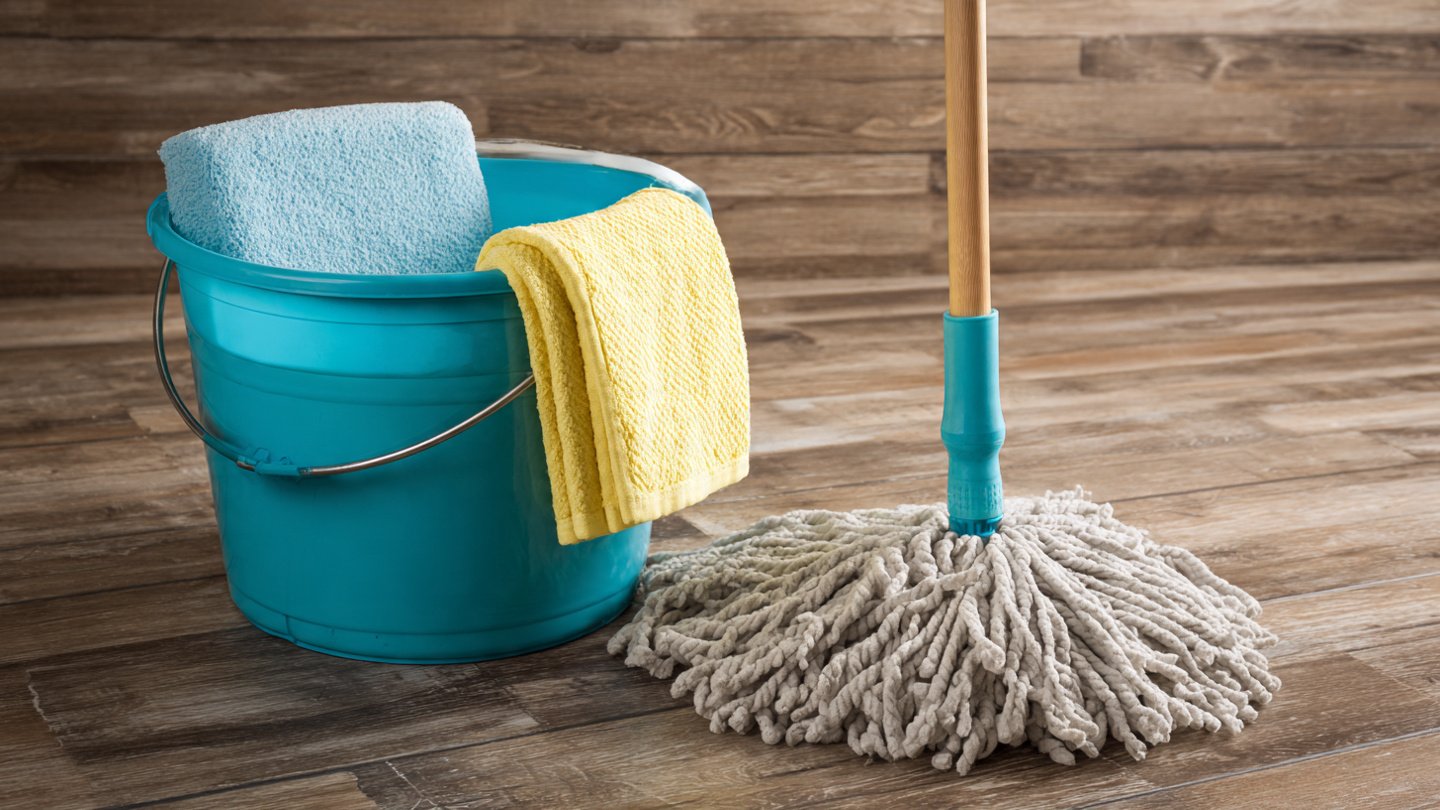
Keeping floors clean and fresh is an essential part of maintaining a healthy and inviting home environment. However, simply using plain water may not be sufficient to remove stubborn dirt, grime, and lingering odors. Adding specific natural or household ingredients to mop water can enhance cleaning effectiveness, leave floors sparkling, and provide a pleasant fragrance throughout your home. These additives not only improve cleanliness but can also offer antibacterial or deodorizing benefits. Understanding which ingredients work best and how to use them safely can transform a routine mopping session into an efficient, enjoyable, and highly effective cleaning ritual.
- Vinegar
Vinegar is one of the most popular and versatile cleaning additives for mop water. Its mild acidity helps break down grease, soap scum, and hard water deposits on various floor types, including tile, linoleum, and vinyl. Vinegar is naturally antibacterial, which aids in reducing germs and bacteria on floor surfaces. To use, mix half a cup of white vinegar with a gallon of warm water. This solution cleans effectively without leaving a sticky residue, and it also helps neutralize odors. It is important to avoid using vinegar on natural stone floors such as marble, granite, or limestone, as the acidity can etch the surface.
- Lemon Juice
Lemon juice not only provides a fresh, citrusy fragrance but also adds natural cleaning power. The acidity of lemon juice cuts through grime and disinfects surfaces, making it particularly useful for areas that accumulate kitchen grease or pet messes. For an effective floor-cleaning solution, add a quarter cup of fresh lemon juice or bottled lemon concentrate to a gallon of warm water. The natural scent leaves a clean, refreshing aroma that can brighten the atmosphere of your home. Lemon juice also acts as a mild bleaching agent, which can help remove light stains on certain types of floors.
- Baking Soda
Baking soda is a gentle abrasive that enhances the cleaning power of mop water. It can tackle stubborn dirt, neutralize odors, and leave floors looking polished without scratching most surfaces. To use baking soda in mop water, dissolve half a cup in a gallon of warm water. This solution works well for tile and vinyl floors. For best results, allow the mixture to sit on the floor for a few minutes before mopping, then rinse with clean water. Baking soda is especially effective in households with pets, as it helps eliminate lingering pet odors.
- Essential Oils
Essential oils are a popular choice for adding fragrance and additional cleaning benefits to mop water. Oils such as lavender, tea tree, eucalyptus, peppermint, or lemon not only provide a pleasant scent but also have antibacterial and antifungal properties. Adding ten to fifteen drops of essential oil per gallon of water is sufficient to infuse the floor with a natural, long-lasting fragrance. Tea tree oil, in particular, is known for its potent antimicrobial effects, making it a great choice for areas that require extra disinfection, such as kitchens and bathrooms.
- Dish Soap
A few drops of mild dish soap in mop water can make a significant difference in removing grease, grime, and dirt buildup from floors. Dish soap is formulated to break down oils and can be especially effective in kitchen areas or near entryways where debris accumulates. Use one teaspoon of dish soap per gallon of warm water to prevent excessive sudsing, which can leave residue if not rinsed properly. Dish soap combined with vinegar or essential oils can create a powerful, multi-purpose floor-cleaning solution.
- Hydrogen Peroxide
Hydrogen peroxide is a natural disinfectant that can be safely used on many types of floors, including tile, vinyl, and laminate. Its antibacterial and antifungal properties help reduce the presence of germs and prevent mold growth, particularly in bathrooms and kitchens. For cleaning, mix half a cup of 3% hydrogen peroxide with a gallon of warm water. Hydrogen peroxide also has a mild bleaching effect, which can brighten dull grout or remove light stains. Be cautious with colored or natural stone floors, as repeated use may cause discoloration.
- Rubbing Alcohol
Rubbing alcohol, or isopropyl alcohol, is another effective additive for mop water, especially for disinfecting floors and speeding up drying time. Its fast evaporation rate prevents water damage on sensitive surfaces like laminate or hardwood. To make a cleaning solution, mix one cup of rubbing alcohol with a gallon of water and a few drops of essential oil for scent. This mixture is excellent for high-traffic areas and can help remove sticky residues or fingerprints from hard surfaces. Rubbing alcohol also leaves a streak-free shine, making it ideal for polished floors.
- White Tea or Herbal Infusions
Adding brewed white tea, green tea, or other mild herbal infusions to mop water can enhance fragrance while providing gentle cleaning properties. Teas contain antioxidants that may help reduce dirt accumulation, and their natural scent leaves floors smelling fresh without synthetic chemicals. Prepare a strong tea infusion, allow it to cool, and then mix it with warm water for mopping. Herbal options like rosemary, mint, or chamomile can add additional antibacterial properties and subtle aromas, creating a spa-like freshness in your home.
Tips for Using Additives Effectively
While these eight ingredients can significantly improve floor cleanliness and aroma, using them correctly ensures optimal results and prevents damage to surfaces.
- Test in Small Areas: Before applying any solution to the entire floor, test it in a small, inconspicuous spot to check for potential discoloration or surface damage.
- Use Warm Water: Warm water enhances the effectiveness of most cleaning additives, helping to dissolve grease and loosen dirt.
- Rinse When Necessary: Some mixtures, such as those with soap or baking soda, may leave residue if not rinsed with clean water. Rinsing ensures a streak-free finish.
- Avoid Harsh Combinations: Mixing vinegar and bleach, or other incompatible substances, can create toxic fumes. Stick to safe combinations such as vinegar and essential oils or baking soda and lemon juice.
- Maintain Mops: Clean mops regularly to prevent the buildup of bacteria and dirt, which can reduce the effectiveness of any floor-cleaning solution.
Benefits of Enhanced Mop Water
Using additives in mop water provides multiple advantages beyond basic cleanliness:
- Improved Disinfection: Ingredients like vinegar, hydrogen peroxide, and essential oils reduce germs and bacteria on floors, creating a healthier living environment.
- Odor Control: Lemon juice, essential oils, and baking soda neutralize lingering odors, leaving your home smelling fresh.
- Better Dirt Removal: Soap, vinegar, and baking soda help break down grease and grime more effectively than water alone, reducing the need for repeated cleaning.
- Surface Protection: Properly chosen additives can protect and maintain the finish of floors, keeping them looking polished and new.
- Eco-Friendly Options: Many of these additives are natural and biodegradable, offering environmentally friendly alternatives to harsh chemical cleaners.
Customizing Your Floor-Cleaning Solution
One of the most enjoyable aspects of enhancing mop water is the ability to customize solutions to suit personal preferences. You can adjust fragrance strength, select ingredients based on cleaning needs, and create a mixture that balances effectiveness with environmental safety. For example, a combination of vinegar, lemon juice, and a few drops of lavender essential oil provides antibacterial cleaning power with a soothing, fresh aroma. Alternatively, a baking soda and peppermint oil solution is ideal for neutralizing odors in high-traffic areas or homes with pets.
Conclusion
Enhancing mop water with natural and household additives transforms routine floor cleaning into a more effective, fragrant, and health-conscious activity. Ingredients such as vinegar, lemon juice, baking soda, essential oils, dish soap, hydrogen peroxide, rubbing alcohol, and herbal infusions provide cleaning power, disinfectant properties, and pleasant aromas. By selecting the right combination of additives, using them safely, and following proper mopping techniques, homeowners can enjoy cleaner, fresher-smelling floors while reducing the reliance on harsh chemicals.
Routine maintenance with these enhanced solutions ensures floors remain spotless, odor-free, and visually appealing, contributing to a healthier, more inviting home environment. Whether tackling stubborn kitchen grease, neutralizing pet odors, or disinfecting high-traffic areas, these eight additives offer practical, accessible, and eco-friendly ways to elevate the effectiveness of any mopping session. With a little experimentation and attention to detail, you can create a cleaning routine that leaves floors gleaming, fragrant, and hygienically safe for your entire household.