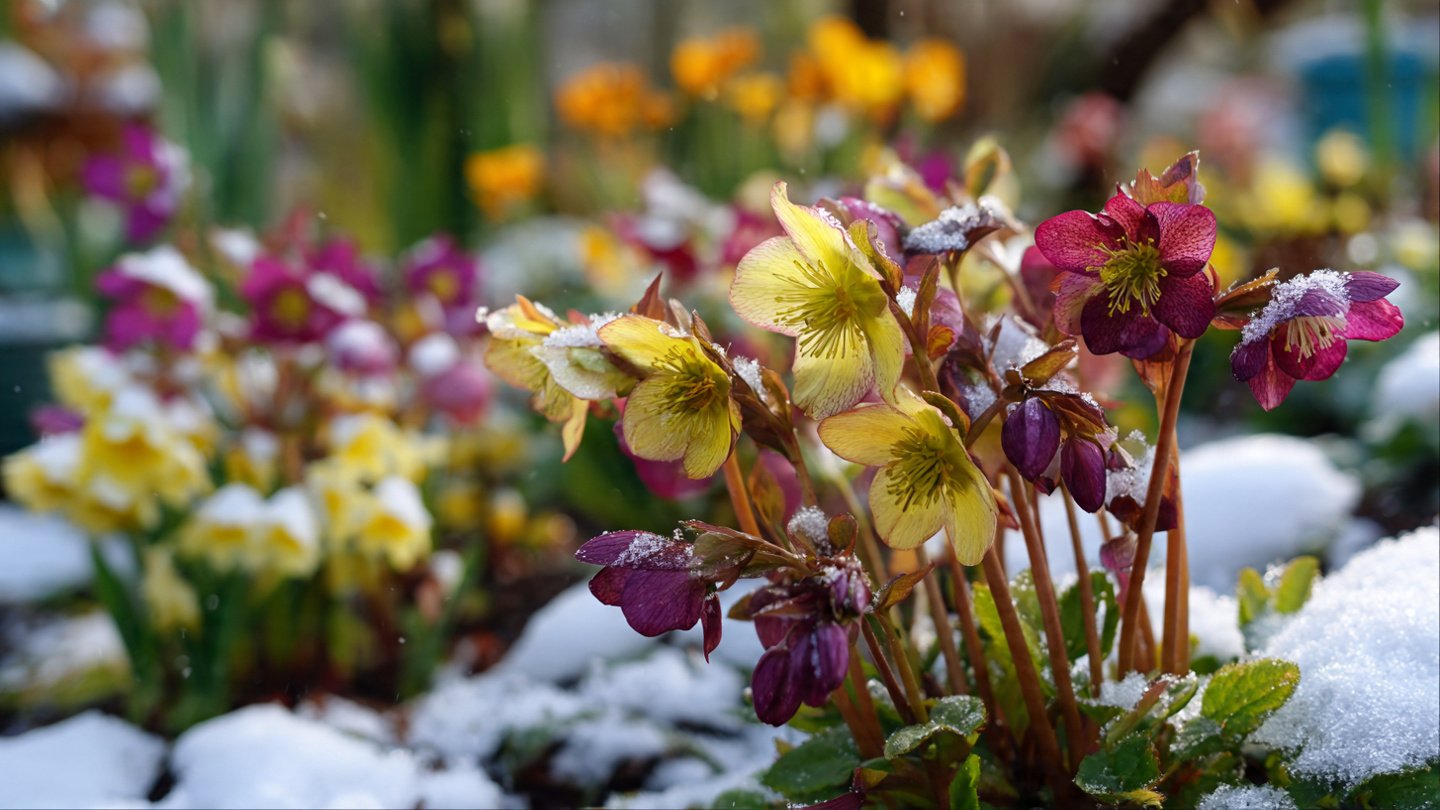
Winter sowing is one of the easiest and most rewarding ways to grow strong, resilient perennials with very little effort. Instead of starting seeds indoors under grow lights, winter sowing allows nature to do the hard work for you. By planting seeds in mini greenhouse-style containers outdoors during winter, you mimic natural germination cycles—resulting in hardy plants that are perfectly adapted to your local climate by spring.
If you’re looking to fill your garden with long-lasting blooms, pollinator-friendly plants, and low-maintenance beauty, here are seven of the best perennials to winter sow for a truly thriving spring garden.
1. Coneflower (Echinacea)
Coneflowers are among the most reliable and beginner-friendly perennials you can grow from seed. They actually require cold stratification to germinate well, which makes them ideal candidates for winter sowing.
By exposing the seeds to natural freeze-and-thaw cycles, you improve germination rates and encourage strong root development. Once established, coneflowers are drought-tolerant, deer-resistant, and bloom for months from early summer to fall.
They also attract pollinators like bees and butterflies—making them perfect if you want a lively, eco-friendly garden.
2. Black-Eyed Susan (Rudbeckia)
Black-eyed Susans are tough, cheerful, and incredibly low maintenance. Winter sowing helps soften their seed coats naturally, leading to faster germination once temperatures rise.
These golden-yellow flowers bloom throughout summer and can tolerate heat, drought, and poor soil—perfect for gardeners who want maximum impact with minimal effort.
Plant them along borders or mix them into wildflower gardens for a splash of sunshine that returns year after year.
3. Lavender (Lavandula)
Lavender can be tricky to grow from seed indoors, but winter sowing dramatically improves success rates. The cold exposure mimics the Mediterranean climate conditions lavender seeds need to sprout.
Come spring, you’ll be rewarded with fragrant foliage and beautiful purple blooms that attract pollinators and repel pests. Lavender is also perfect for edging pathways or creating relaxing sensory gardens.
Plus, you can harvest the flowers for homemade sachets, oils, and teas.
4. Columbine (Aquilegia)
Columbines thrive in cooler weather and benefit greatly from winter sowing. Their seeds naturally require a cold dormancy period to break germination barriers.
These elegant, nodding flowers bloom in mid to late spring and are beloved by hummingbirds. Columbines are perfect for shaded areas, woodland gardens, and cottage-style landscapes.
They also self-seed easily—meaning you’ll enjoy new plants popping up year after year with no extra work.
5. Milkweed (Asclepias)
Milkweed is essential for monarch butterflies and other pollinators, but it needs cold stratification to germinate effectively.
Winter sowing ensures the seeds experience natural conditions, improving sprouting success in spring. Once established, milkweed becomes a vital habitat plant that supports local ecosystems.
Add it to pollinator gardens or native plant beds to encourage beneficial insects and promote biodiversity.
6. Shasta Daisy (Leucanthemum × superbum)
Shasta daisies are classic garden favorites that respond beautifully to winter sowing. Their seeds germinate readily after cold exposure, producing sturdy young plants.
By early summer, you’ll have crisp white blooms with sunny yellow centers that brighten beds and containers alike.
They pair wonderfully with coneflowers and black-eyed Susans for a vibrant perennial display.
7. Lupine (Lupinus)
Lupines are known for their dramatic vertical flower spikes and vibrant colors. Winter sowing helps soften their tough seed coats through natural moisture and cold exposure.
These nitrogen-fixing plants also improve soil quality while adding height and structure to your garden beds.
Plant lupines in sunny locations for stunning late-spring blooms that attract bees and butterflies.
Final Thoughts
Winter sowing perennials is a simple yet powerful technique that helps you grow healthier plants without expensive equipment or indoor setups. By letting seeds germinate naturally outdoors, you’ll enjoy hardier plants that adapt easily to your local environment—and come spring, your garden will burst into life with vibrant color and pollinator activity.
Start with these seven easy-to-grow perennials, and you’ll be well on your way to creating a lush, thriving spring garden that returns year after year.