A vibrant, lively garden filled with colorful blooms is a delight for the senses, offering beauty, fragrance, and a sense of tranquility. For gardeners seeking quick results, fast-growing annuals are an ideal solution. Unlike perennials, which take time to establish, annuals complete their life cycle in a single growing season, providing instant color and lushness. By selecting the right species and varieties, gardeners can transform bare or dull areas into lively, blooming spaces within weeks. This guide explores six fast-growing annuals that instantly brighten your yard, offering practical tips for planting, care, and maximizing their aesthetic impact.
1. Marigolds (Tagetes): The Golden Sunshine of Gardens
Marigolds are classic garden favorites, valued for their bright yellow, orange, and gold flowers that radiate warmth. They are exceptionally fast-growing, often blooming within 45 to 60 days from sowing seeds. Marigolds thrive in full sunlight and adapt to a wide range of soils, making them low-maintenance and resilient. Their compact and bushy growth habit ensures dense floral coverage, instantly enhancing garden beds, borders, and containers.
Planting marigolds is straightforward: seeds can be sown directly into the soil after the last frost or started indoors for an earlier bloom. Regular watering promotes lush foliage, but the soil should be allowed to dry slightly between watering to prevent root rot. Deadheading spent blooms encourages continuous flowering, extending the visual appeal throughout the season. In addition to their beauty, marigolds act as natural pest repellents, deterring nematodes and certain insects, making them both functional and decorative.
2. Zinnias (Zinnia elegans): Bold and Colorful Statements
Zinnias are among the fastest-growing annuals, producing vivid, daisy-like flowers in a spectrum of colors including red, pink, orange, yellow, and white. These sun-loving plants grow quickly, often flowering in as little as 60 days, and their upright stems create vertical interest in garden beds and containers. Zinnias are perfect for creating eye-catching displays and complement other annuals with contrasting colors and textures.
Zinnias prefer well-draining soil and regular watering but tolerate periods of drought once established. To prolong flowering, gardeners should pinch back the growing tips of young plants, encouraging bushier growth and more blooms. Zinnias attract pollinators such as butterflies and bees, adding movement and life to the garden, making them both beautiful and ecologically beneficial.
3. Cosmos (Cosmos bipinnatus): Graceful, Airy Blooms
Cosmos are fast-growing annuals that create a soft, whimsical effect in garden spaces. With feathery foliage and delicate daisy-like blooms, cosmos add height and texture to borders, wildflower gardens, and cottage-style landscapes. They flourish in full sun and bloom in 60 to 70 days from seed, offering pink, white, lavender, and crimson hues that sway gently in the breeze.
Cosmos are drought-tolerant and thrive in average soil, requiring minimal maintenance once established. Deadheading encourages prolonged flowering, while thinning crowded seedlings improves airflow and reduces disease risk. Their tall, airy stems provide a natural backdrop for shorter annuals and create a sense of movement, instantly energizing the garden with color and life.
4. Sunflowers (Helianthus annuus): Dramatic Focal Points
Sunflowers are iconic annuals that command attention with their large, bright yellow blooms and towering stems. Fast-growing varieties can reach maturity and bloom in 70 to 90 days, providing bold visual impact in garden beds, along fences, or as natural screens. Sunflowers are adaptable to most soils and thrive in full sunlight, producing cheerful, radiant flowers that evoke a sense of summer warmth.
Planting sunflowers requires deep, well-draining soil to accommodate their extensive root systems. Regular watering promotes strong, sturdy stems capable of supporting the heavy blooms. Deadheading or cutting flowers for arrangements encourages additional flowering in some varieties. Sunflowers attract pollinators and provide seeds for birds, contributing to garden biodiversity while adding vibrant color and vertical structure.
5. Nasturtiums (Tropaeolum majus): Edible Beauty
Nasturtiums are fast-growing annuals that produce abundant, bright orange, yellow, or red flowers, making them perfect for adding instant color to containers, hanging baskets, and garden beds. They are low-maintenance, thrive in poor soil, and require minimal fertilizer, which enhances flower production while keeping foliage compact. Nasturtiums bloom in as little as 45 days from sowing seeds, offering rapid gratification for impatient gardeners.
In addition to their ornamental value, nasturtiums are edible and can be used in salads, garnishes, or as a peppery addition to culinary dishes. Their trailing habit is excellent for cascading over walls or containers, while upright varieties provide vertical interest. Nasturtiums also attract beneficial insects and repel pests such as aphids, enhancing the health and vibrancy of the entire garden ecosystem.
6. Petunias (Petunia × hybrida): Continuous Color and Versatility
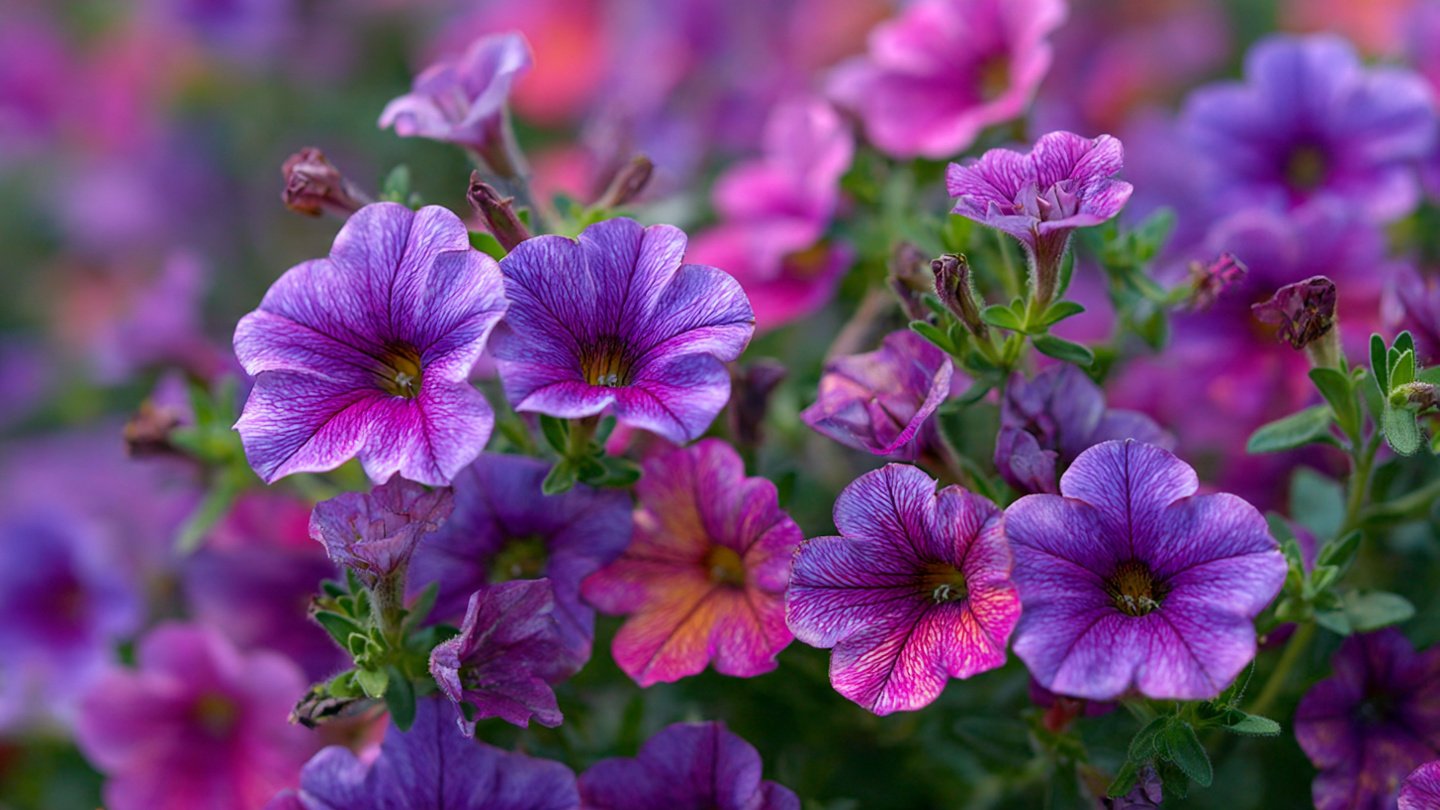
Petunias are versatile, fast-growing annuals available in a wide range of colors, including purple, pink, white, red, and multicolored varieties. They bloom profusely and continuously, creating dense, eye-catching displays in garden beds, containers, or hanging baskets. Fast-growing petunias can begin flowering within 8 to 10 weeks from seed, offering a quick transformation for any yard or patio.
Petunias thrive in full sun and well-draining soil and require regular watering to maintain flower production. Deadheading faded blooms encourages continuous flowering throughout the season. Their trailing or spreading habit makes petunias ideal for softening edges, filling gaps, and adding texture, instantly enhancing the visual appeal of any outdoor space.
Tips for Maximizing Color and Growth with Annuals
- Proper Spacing: Fast-growing annuals perform best when planted with adequate space for airflow and root development. Crowded plants can experience slower growth, increased disease risk, and fewer blooms.
- Sunlight: Most colorful annuals require full sun to bloom vigorously. Ensure plants receive at least six to eight hours of sunlight daily for optimal growth and vibrant color.
- Soil Preparation: Loosen soil and enrich it with compost or organic matter to improve drainage and nutrient availability. Fertile soil supports rapid growth and abundant flowering.
- Watering Practices: While annuals need consistent moisture during establishment, avoid overwatering. Drip irrigation or soaker hoses help maintain even moisture without wetting foliage excessively, reducing disease risks.
- Fertilization: Use a balanced, slow-release fertilizer or liquid feed every few weeks to support continuous flowering. Over-fertilization with nitrogen can lead to excessive foliage growth and reduced blooms.
- Deadheading: Regularly remove faded or spent flowers to encourage new blooms and extend the flowering season.
- Companion Planting: Mix different annuals with contrasting colors and heights to create dynamic, multi-layered displays. Taller varieties such as sunflowers and cosmos provide backdrop, while shorter marigolds and petunias fill the foreground.
Benefits of Fast-Growing Annuals in Garden Design
Fast-growing annuals offer several benefits beyond instant color:
- Instant Gratification: Gardeners enjoy rapid visual results within weeks, transforming blank or underutilized spaces into vibrant landscapes.
- Flexibility: Annuals can be replaced each season, allowing experimentation with color schemes, textures, and layouts.
- Pollinator Attraction: Brightly colored blooms attract bees, butterflies, and other pollinators, supporting biodiversity and promoting fruiting in nearby plants.
- Low Commitment: Because annuals complete their life cycle in one season, gardeners can experiment without long-term commitments.
- Educational Value: Fast-growing annuals provide quick feedback on planting techniques, soil conditions, and care practices, making them excellent for beginners and children.
Planning a Colorful Annual Garden
To create a yard that bursts with color and life, consider the following planning tips:
- Select a Theme: Decide on color palettes, bloom sizes, and plant heights to create harmonious combinations.
- Stagger Planting Times: Plant in phases to ensure continuous blooming throughout the growing season.
- Combine Growth Habits: Mix upright, trailing, and bushy annuals for texture and depth.
- Use Containers and Vertical Spaces: Hanging baskets, window boxes, and raised beds extend planting space and add visual layers.
- Rotate Crops: Change annual plantings each season to refresh the look and maintain soil health.
By thoughtfully choosing and combining fast-growing annuals, gardeners can achieve a dynamic and ever-changing outdoor environment that captivates the senses and brings joy throughout the season.
Conclusion
Fast-growing annuals are the ultimate solution for gardeners seeking immediate color, vibrant displays, and lively garden spaces. Marigolds, zinnias, cosmos, sunflowers, nasturtiums, and petunias provide rapid growth, continuous blooms, and versatile uses, whether for borders, beds, containers, or hanging baskets. By understanding their growth habits, sunlight requirements, soil preferences, and care needs, gardeners can transform any yard into a lively, colorful sanctuary within weeks. These annuals not only brighten the landscape but also attract pollinators, enhance biodiversity, and offer an enjoyable, low-commitment gardening experience. Incorporating these six fast-growing annuals ensures that every corner of the garden bursts with life, beauty, and seasonal excitement.