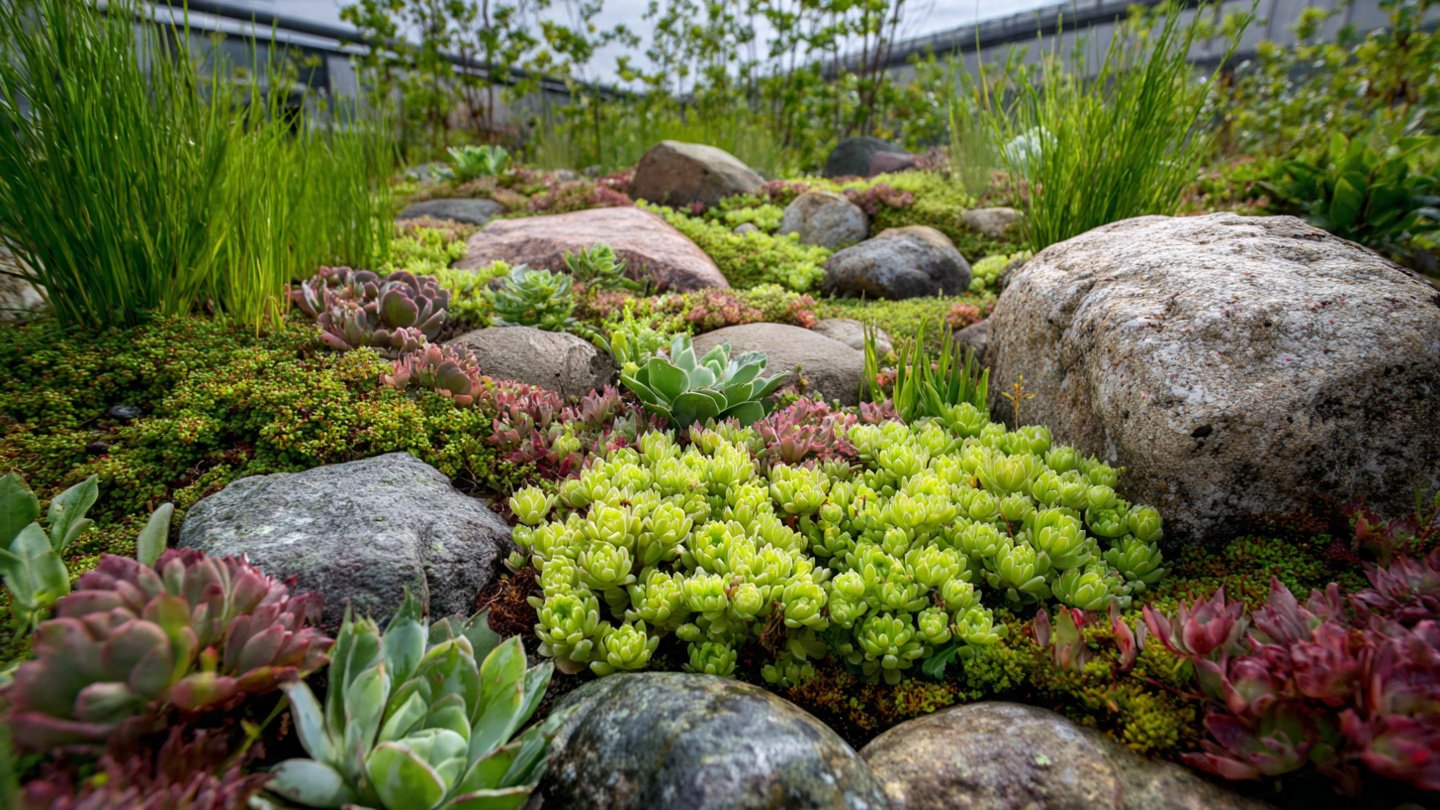
Green roofs have become increasingly popular for their ability to provide environmental benefits, improve insulation, and add visual appeal to urban and residential landscapes. Unlike traditional roofs, a green roof supports plant life, helping to reduce heat absorption, improve air quality, and create habitats for pollinators and birds. However, maintaining a thriving green roof requires careful selection of plants, particularly in regions that experience cold winters. Choosing cold-hardy plants ensures year-round greenery, minimal maintenance, and a sustainable, resilient roof garden.
In this guide, we explore five expert-recommended cold-hardy plants that are ideal for green roofs. Each plant combines aesthetic appeal with durability, making them low-effort yet high-impact choices for sustainable rooftop landscaping.
Why Cold-Hardy Plants Matter for Green Roofs
Green roofs are exposed to extreme conditions, including strong winds, fluctuating temperatures, and limited soil depth. During winter months, cold temperatures and frost can damage or kill plants that are not adapted to such conditions. Using cold-hardy species ensures that your green roof remains vibrant and functional even during harsh weather.
These plants typically have features such as:
- Drought and frost tolerance – enabling survival in shallow substrates and harsh climates.
- Low nutrient requirements – reducing the need for frequent fertilization.
- Compact growth habits – allowing them to thrive in thin soil layers without overwhelming the roof structure.
By choosing resilient species, gardeners can reduce maintenance while promoting biodiversity and supporting urban ecology.
1. Sedum (Stonecrop) – The Classic Green Roof Choice
Sedums, commonly known as stonecrops, are perhaps the most popular plants for green roofs due to their extreme hardiness and adaptability. Native to temperate and alpine regions, sedums are succulent perennials that store water in their leaves, making them exceptionally drought-resistant.
Why Sedums Work for Cold Climates:
- Most varieties can survive temperatures as low as -30°F (-34°C).
- Their shallow root systems are ideal for thin green roof substrates.
- They maintain foliage color through winter, providing year-round visual interest.
Planting Tips:
- Choose a mixture of sedum species for variation in color and texture.
- Install sedum mats or plug plants for quick coverage.
- Ensure excellent drainage, as sedums do not tolerate standing water.
Popular Varieties: Sedum album, Sedum spurium, Sedum sexangulare.
Sedums also attract pollinators in summer, supporting rooftop biodiversity while requiring virtually no ongoing care once established.
2. Sempervivum (Hens and Chicks) – Tough and Architectural
Sempervivum, often called hens and chicks, is a succulent that forms dense rosettes and produces offsets, creating a self-spreading ground cover. This plant is incredibly hardy, withstanding harsh winters, high winds, and even brief snow cover. Its architectural form adds structure and interest to green roofs, complementing more low-growing sedums.
Benefits for Green Roofs:
- Cold tolerance down to -40°F (-40°C).
- Minimal water requirements due to succulent leaves.
- Propagates naturally, filling gaps over time.
Planting Tips:
- Use well-draining, gritty soil to prevent root rot.
- Plant in clusters to create a textured carpet effect.
- Avoid overwatering in winter; these plants prefer dry conditions during dormancy.
Popular Varieties: Sempervivum tectorum, Sempervivum arachnoideum, Sempervivum montanum.
Sempervivums add a sculptural element to green roofs and are perfect for both residential and commercial installations that aim for low maintenance.
3. Festuca (Blue Fescue) – Ornamental Grass with Winter Appeal
Festuca, or blue fescue, is a clump-forming ornamental grass that offers cool blue-gray foliage and a fine-textured look. While it is primarily valued for its aesthetic appeal, its resilience to cold and adaptability to shallow soil layers make it an excellent choice for green roofs.
Benefits for Green Roofs:
- Cold hardy to USDA zone 4 (-30°F / -34°C).
- Drought-tolerant and low-maintenance once established.
- Adds vertical texture, breaking up the low-growing mats of sedums or sempervivums.
Planting Tips:
- Plant in small clumps to provide spacing for spreading.
- Trim old foliage in early spring to encourage fresh growth.
- Combine with flowering perennials or succulents for layered visual effects.
Popular Varieties: Festuca glauca, Festuca ovina.
Blue fescue is particularly effective in green roof designs that aim to replicate alpine or naturalistic landscapes. Its striking color contrasts beautifully with green sedums and evergreen groundcovers.
4. Saxifraga – Compact Alpine Groundcover
Saxifraga is a genus of cold-hardy, alpine plants that thrive in rocky, well-drained environments. They are perfect for green roofs because of their low growth habit and tolerance to thin, nutrient-poor soils. Saxifraga produces small, delicate flowers in shades of white, pink, or red, adding seasonal interest to a predominantly green rooftop.
Benefits for Green Roofs:
- Cold tolerant to -20°F (-29°C) or lower.
- Thrives in shallow substrates, typical of extensive green roofs.
- Low maintenance and minimal watering needs.
Planting Tips:
- Provide full sun to partial shade depending on the variety.
- Mix with other low-growing perennials to maximize coverage.
- Use well-draining soil and avoid heavy mulch that may retain excess moisture.
Popular Varieties: Saxifraga arendsii, Saxifraga paniculata, Saxifraga oppositifolia.
Saxifraga is particularly useful for adding delicate floral interest and softening the transitions between succulents and ornamental grasses on a green roof.
5. Heuchera (Coral Bells) – Colorful and Hardy Foliage
Heuchera, or coral bells, is a perennial valued for its vibrant foliage colors, ranging from deep purple to lime green, and its ability to withstand cold winters. Although traditionally used in garden borders, its adaptability to shallow soils and low-maintenance nature make it an excellent addition to green roofs where visual appeal is a priority.
Benefits for Green Roofs:
- Cold hardy to USDA zone 4 (-30°F / -34°C).
- Provides a contrasting color palette to predominantly green sedums and grasses.
- Tolerates wind exposure and variable moisture conditions.
Planting Tips:
- Choose varieties suited to your climate and light conditions.
- Avoid heavy watering in winter to prevent root rot.
- Pair with low-growing succulents for a layered effect.
Popular Varieties: Heuchera micrantha, Heuchera villosa, Heuchera ‘Palace Purple’.
Heuchera introduces long-lasting color, especially in winter when other plants may be dormant, giving your green roof a striking year-round appeal.
Additional Tips for Cold-Hardy Green Roofs
- Substrate Depth: Ensure the growing medium is at least 4 to 6 inches deep for small perennials and 6 to 12 inches for larger ornamental species.
- Drainage: Adequate drainage is critical. Standing water can be fatal for succulents and many alpine plants.
- Wind Protection: Cold winds can damage exposed green roofs. Consider installing temporary windbreaks or designing the layout with low-growing, dense species.
- Layering: Combine species of varying heights and textures for a visually dynamic and resilient roof garden.
- Maintenance: Cold-hardy plants require minimal care, but occasional weeding, pruning, and inspection for pests ensures long-term success.
Conclusion
Creating a sustainable, low-maintenance green roof in a cold climate is achievable with careful plant selection. Sedums and sempervivums form the backbone of a hardy rooftop landscape, while blue fescue, saxifraga, and heuchera add texture, color, and seasonal interest. Together, these five cold-hardy plants create a resilient ecosystem that thrives in shallow soils, withstands freezing temperatures, and provides year-round aesthetic appeal.
By investing in the right species and following expert planting and care tips, gardeners can enjoy the numerous environmental benefits of a green roof while minimizing maintenance. These plants not only enhance the visual impact of urban spaces but also contribute to sustainability, biodiversity, and energy efficiency, making them an ideal choice for modern green architecture.
A well-planned cold-hardy green roof is not just a garden feature—it is a statement of environmental responsibility, creativity, and long-term planning. With the right combination of plants, your rooftop can remain vibrant, resilient, and ecologically valuable through every season.